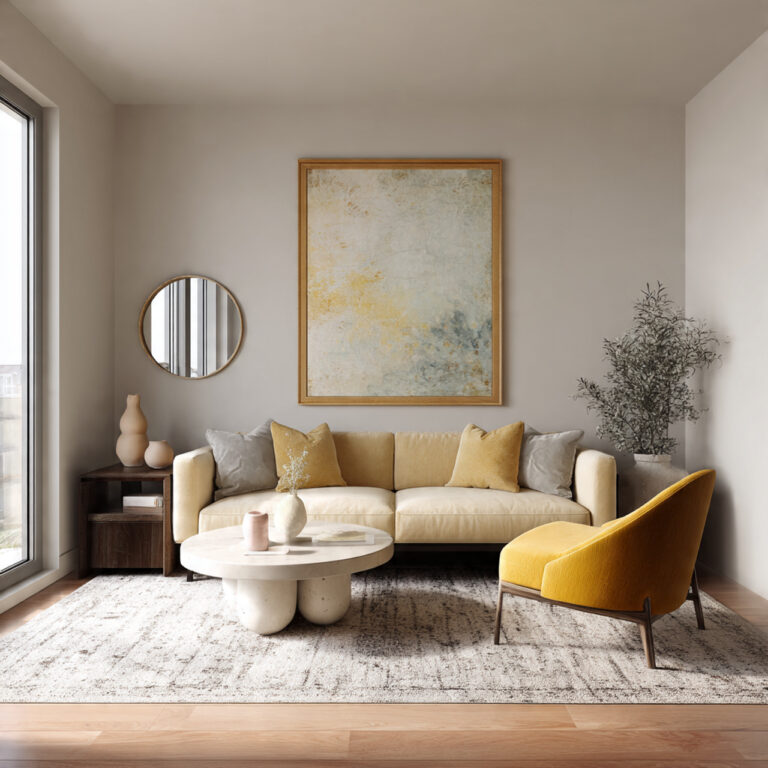
Your dining room should feel like a place where people naturally slow down, talk longer, and enjoy being together. I have learned that you do not need a huge budget or a luxury home to make that happen. With a few thoughtful changes, you can turn even a simple dining space into a warm, welcoming area everyone loves.
1. Layer Warm Lighting for a Cozy Dining Room Ambience

Lighting is one of the fastest ways to change how your dining room feels. Bright white lighting can make the room look harsh and unwelcoming. Softer, layered lighting creates warmth and comfort.
Start with your main light fixture. A pendant light or chandelier centered above the table adds focus and style. Choose warm white bulbs instead of cool white ones. The glow should feel soft, not sharp.
Then, add secondary lighting. This is where the magic happens. Wall sconces, table lamps, or even candles can make the space feel intimate and inviting.
Here are simple lighting ideas you can try:
- Use warm LED bulbs, around 2700K to 3000K
- Install a dimmer switch to control brightness
- Add candles during dinner for a soft glow
- Place a small lamp on a sideboard or console
Layering light gives your dining room depth. It feels intentional and welcoming, rather than flat and overly bright.
2. Choose a Warm and Cohesive Color Palette
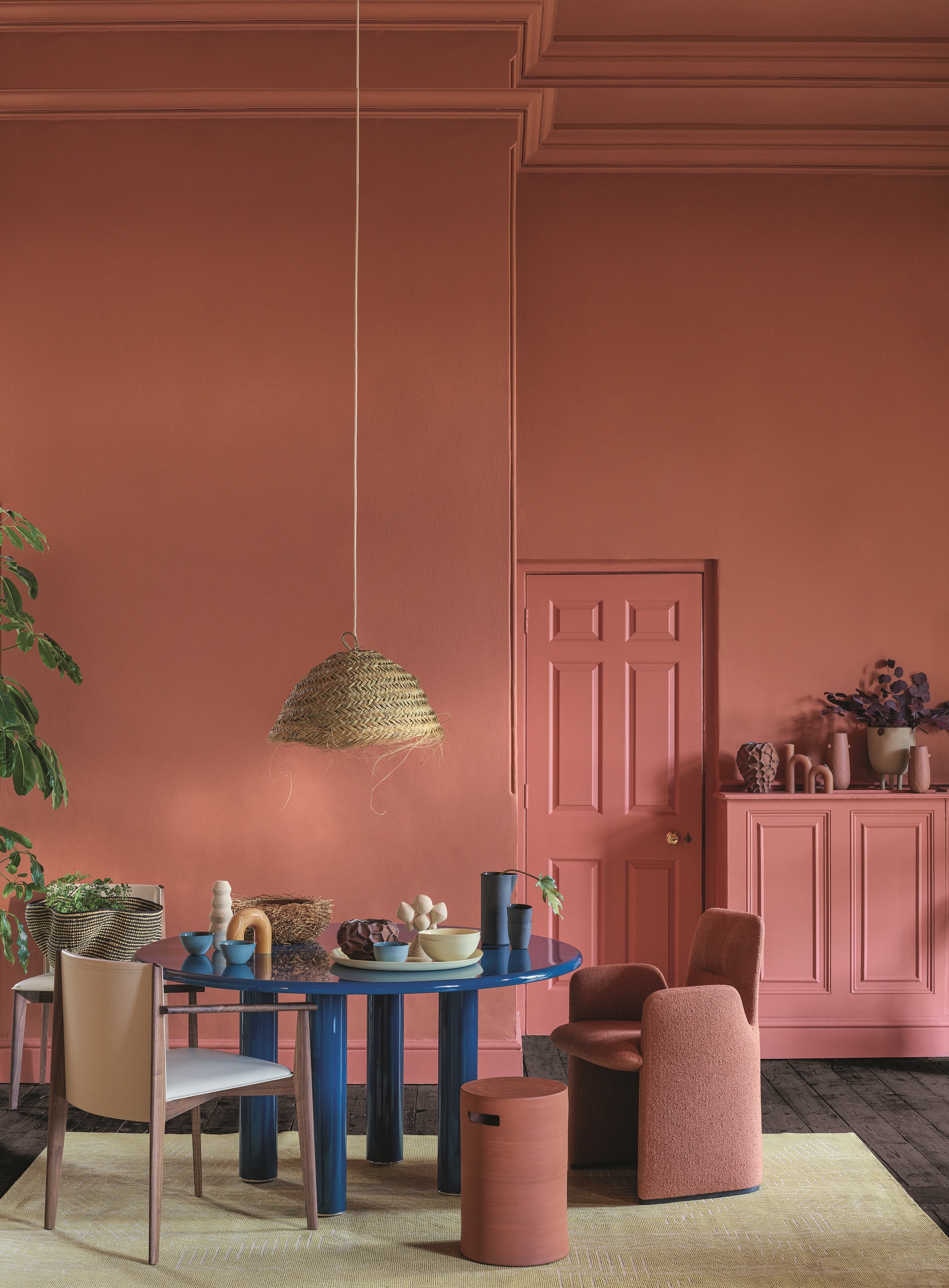
Color plays a huge role in how inviting your dining room feels. Cold tones can make the space feel distant. Warm tones create comfort and closeness.
You do not have to paint the room dark to make it cozy. Even soft neutrals like beige, warm gray, cream, or muted terracotta can transform the atmosphere.
If you prefer lighter walls, you can still add warmth through furniture, curtains, and decor. Wood finishes, woven textures, and warm fabrics make a big difference.
When choosing your color palette, keep these tips in mind:
- Stick to two or three main colors
- Use warm undertones instead of cool ones
- Match your wall color with your dining chairs or rug
- Avoid overly bright neon shades
Consistency makes the room feel balanced. When everything works together, the space feels calm and welcoming.
3. Add Comfortable Seating with Cushions or Upholstery

No one enjoys sitting in a dining room that feels stiff and uncomfortable. Hard wooden chairs without cushions may look stylish, but they are not always inviting.
Comfort encourages people to stay longer. Upholstered chairs, padded seats, or even simple seat cushions can completely change the experience.
If replacing chairs is not in your budget, you can make small upgrades. Add soft cushions or drape a lightweight throw over the back of a chair for texture.
Comfortable seating ideas include:
- Upholstered dining chairs
- Wooden chairs with padded cushions
- Bench seating with soft pillows
- Slipcovers for added warmth
When seating feels cozy, your dining room instantly becomes more welcoming.
4. Use a Statement Rug to Anchor the Dining Table
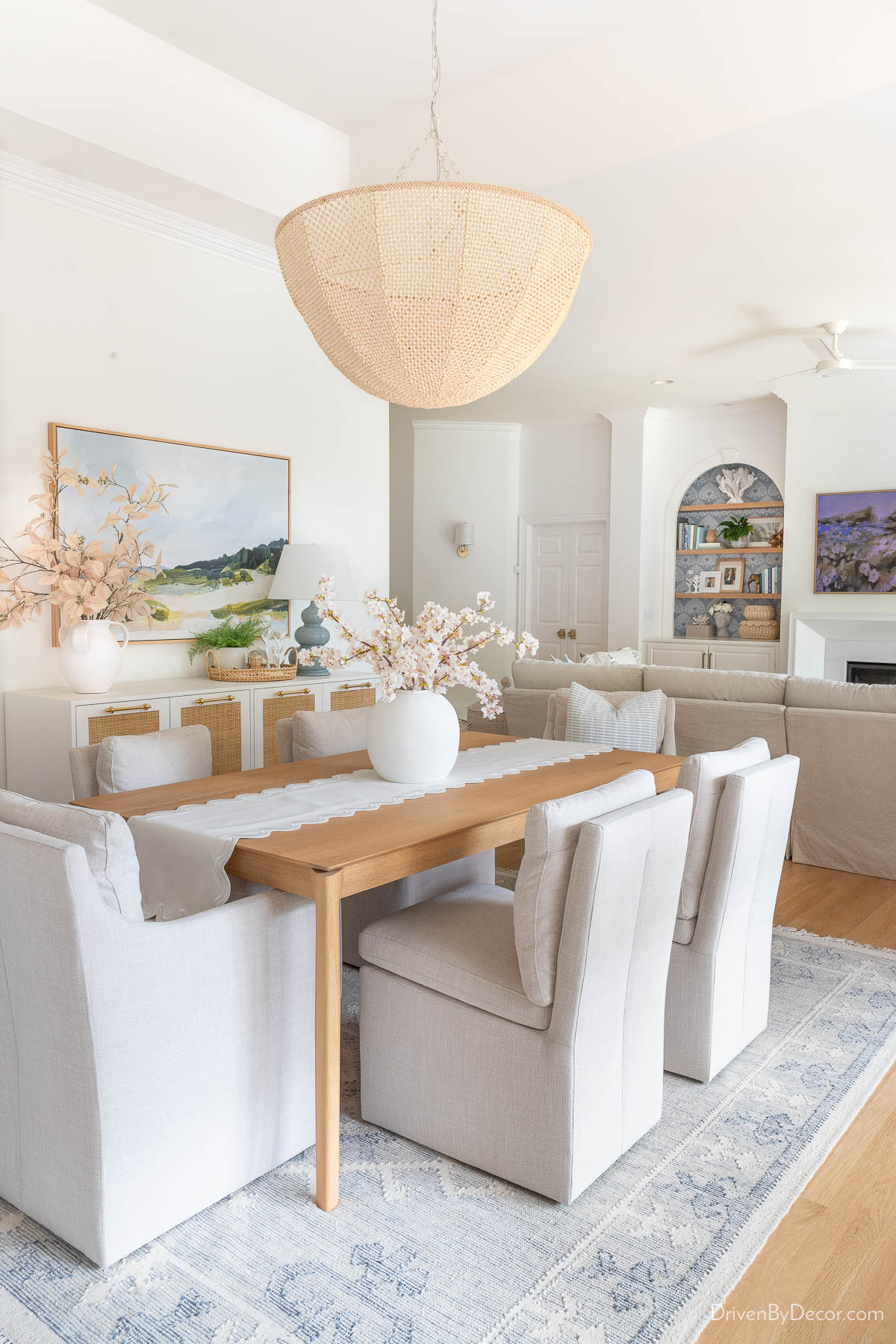
A rug can make your dining room feel complete. Without one, the space sometimes feels empty or disconnected from the rest of the home.
A well chosen rug adds warmth, texture, and visual structure. It helps define the dining area, especially in open plan spaces.
Make sure the rug is large enough. Chairs should remain on the rug even when pulled out. This makes the space feel balanced and practical.
When choosing a rug, consider:
- Durable materials that are easy to clean
- Patterns that hide small stains
- Warm tones that complement your walls
- Enough size to extend beyond the table
A rug softens the room and absorbs sound, which also makes conversations feel more intimate.
5. Incorporate Natural Elements for Warmth and Texture

Natural materials bring life into a dining room. Wood, plants, woven baskets, and linen fabrics make the space feel organic and welcoming.
If your dining room feels flat, adding natural texture can make a big difference. A wooden dining table already helps, but you can go further.
Add greenery. Even a simple plant in the corner adds freshness and warmth. If you do not want high maintenance plants, choose easy options.
You can incorporate nature in simple ways:
- Add a potted plant or small tree
- Use woven placemats
- Decorate with wooden bowls
- Display fresh flowers on the table
Natural elements make the room feel relaxed and lived in, rather than staged.
6. Style the Dining Table with Simple Yet Elegant Centerpieces
:strip_icc()/Dining-table-centerpiece-Capture-One-Session20605_BCYL1BabKHC8rbtWrFv_Pf-c2008cd119db4a49a7dcdfaac4dda448.jpg)
The dining table is the heart of the room. Leaving it completely empty can make the space feel unfinished. Over decorating it can make it feel cluttered.
The goal is balance. A simple centerpiece creates focus without overwhelming the table.
Seasonal decor works beautifully. You can change it throughout the year, which keeps your dining room feeling fresh and inviting.
Consider these centerpiece ideas:
- A vase with fresh or dried flowers
- A bowl of fruit
- A cluster of candles
- A decorative tray with small accents
Keep it practical. Make sure there is still space for serving dishes and comfortable dining.
7. Display Meaningful Wall Decor or Artwork
:max_bytes(150000):strip_icc()/27656_N.Note_ston-DiningTable-F-49a05ded1fab4558b462ae0d85430ad2.jpg)
Blank walls can make a dining room feel cold. Adding art or decor gives the space personality.
You do not need expensive artwork. What matters is that the decor reflects your style and makes the room feel personal.
Mirrors also work well in dining rooms. They reflect light and make the space feel larger and brighter.
When choosing wall decor:
- Hang art at eye level
- Keep frames consistent in color
- Avoid overcrowding the wall
- Choose pieces that complement your color palette
Meaningful decor makes guests feel like they are in a lived in, thoughtful space.
8. Improve Layout and Flow Around the Dining Area
:max_bytes(150000):strip_icc()/3_Lake-Minnetonka-Dining-Room-Design_OHara-Interiors-c10ee7bf54104cb7bc33bbffc2b462bb.jpg)
Even the most beautiful dining room can feel uncomfortable if the layout is wrong. Good flow is essential for making a space inviting.
Make sure there is enough room for chairs to move freely. People should not feel cramped when sitting or standing up.
The table should be centered properly, with balanced spacing around it. Avoid pushing it too close to a wall unless your space is very small.
Here are layout tips to improve flow:
- Leave at least 36 inches around the table if possible
- Keep walkways clear
- Avoid placing large furniture too close
- Use a round table for smaller spaces
When the room flows well, guests feel relaxed and comfortable.
9. Add Personal Touches That Encourage Connection
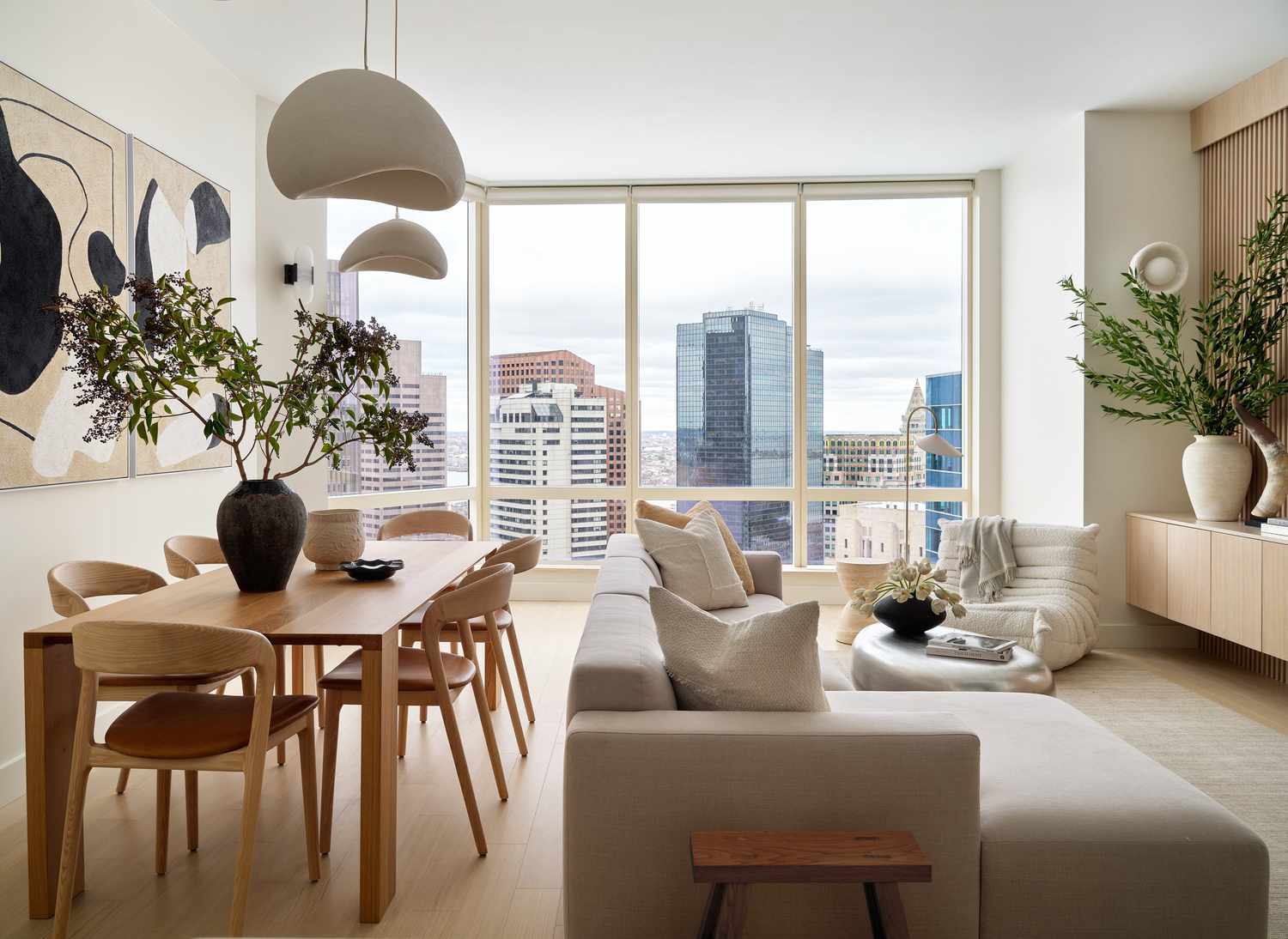
This is my favorite part of designing a dining room. Personal touches are what truly make it inviting.
Display items that mean something to you. It could be family photos, heirloom dishes, or souvenirs from trips. These details create conversation starters.
You can also style open shelves or a sideboard with meaningful decor. Keep it simple and intentional.
Personal ideas you can include:
- Framed family pictures
- A collection of favorite dishes
- Handmade decor pieces
- Books related to food or hospitality
When your dining room reflects your story, people feel welcomed into your life, not just your home.
Final Thoughts
Making your dining room feel more inviting is not about perfection. It is about comfort, warmth, and thoughtful design choices.
Focus on lighting, color, comfort, texture, and layout. Add personal details that make the space uniquely yours. Small changes can create a big impact.
When your dining room feels welcoming, people stay longer. Conversations flow more easily. Meals become experiences rather than routines.
Start with one change today. Maybe it is softer lighting, a new rug, or adding fresh flowers. Little by little, you will create a dining room that feels warm, inviting, and truly special.