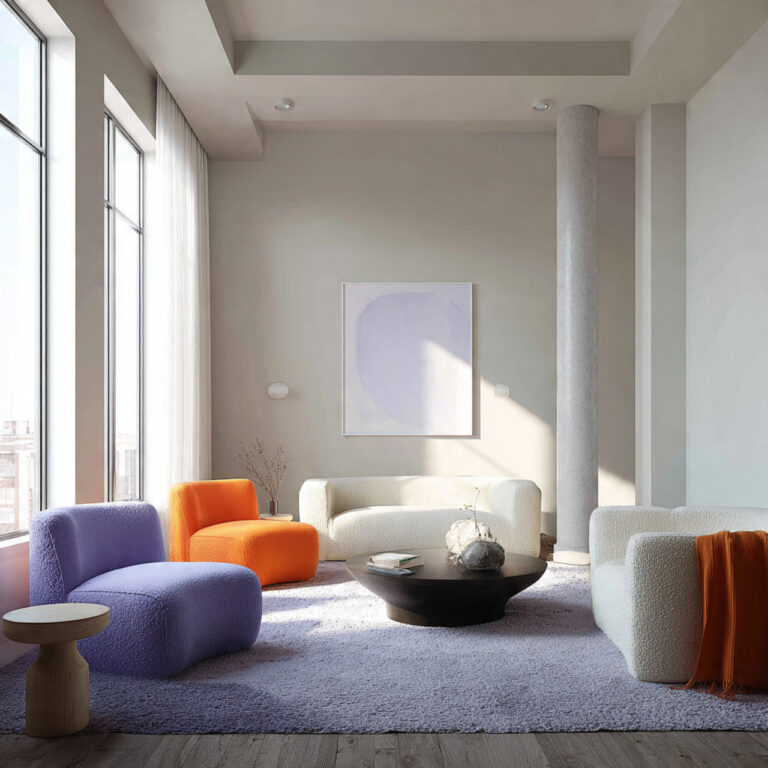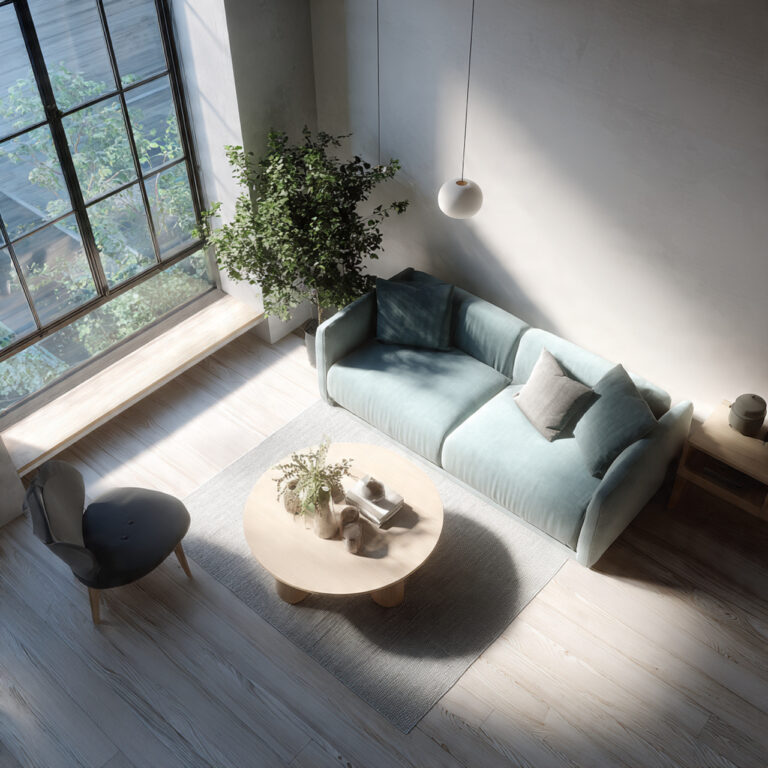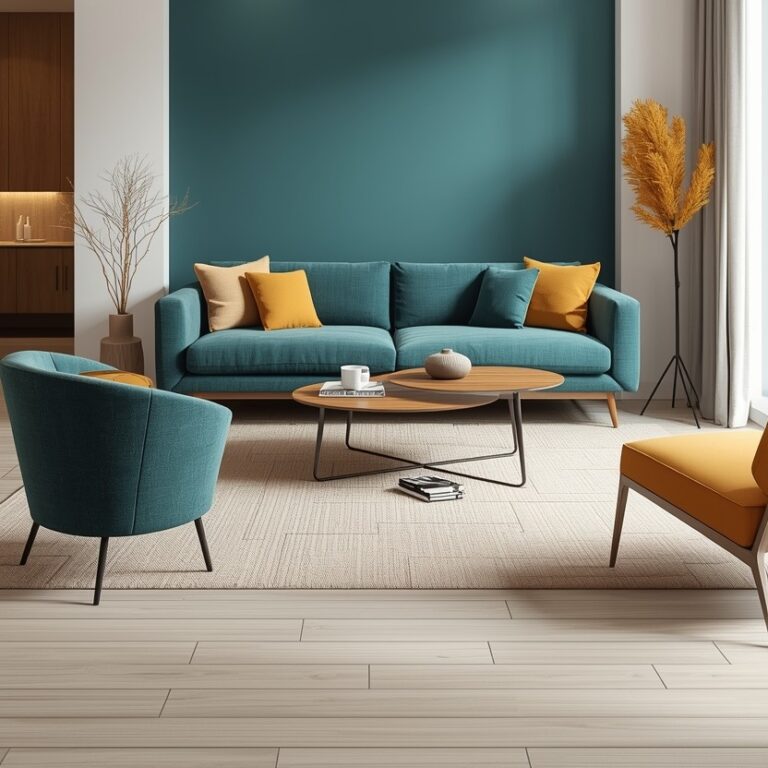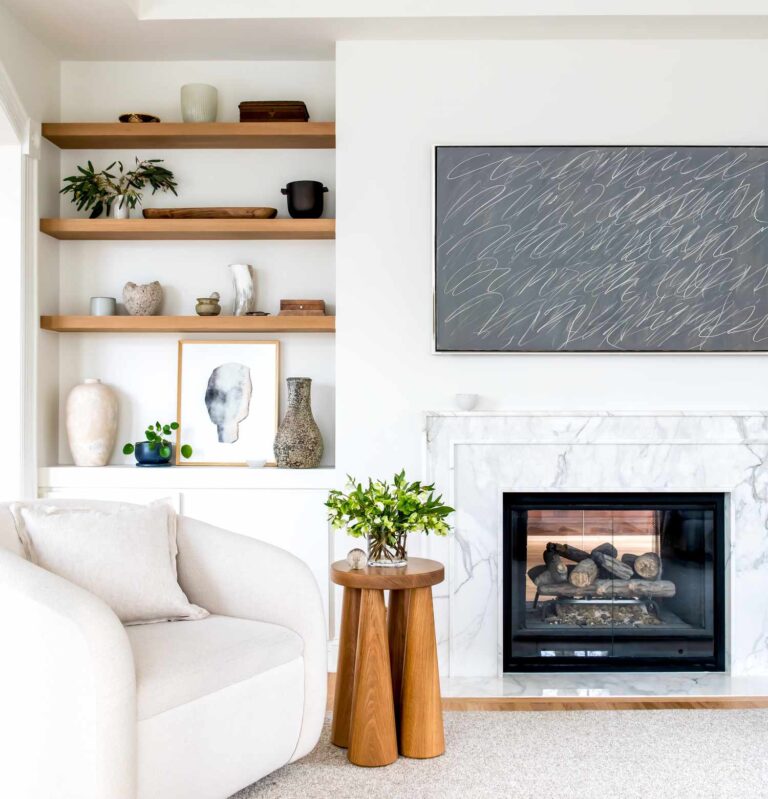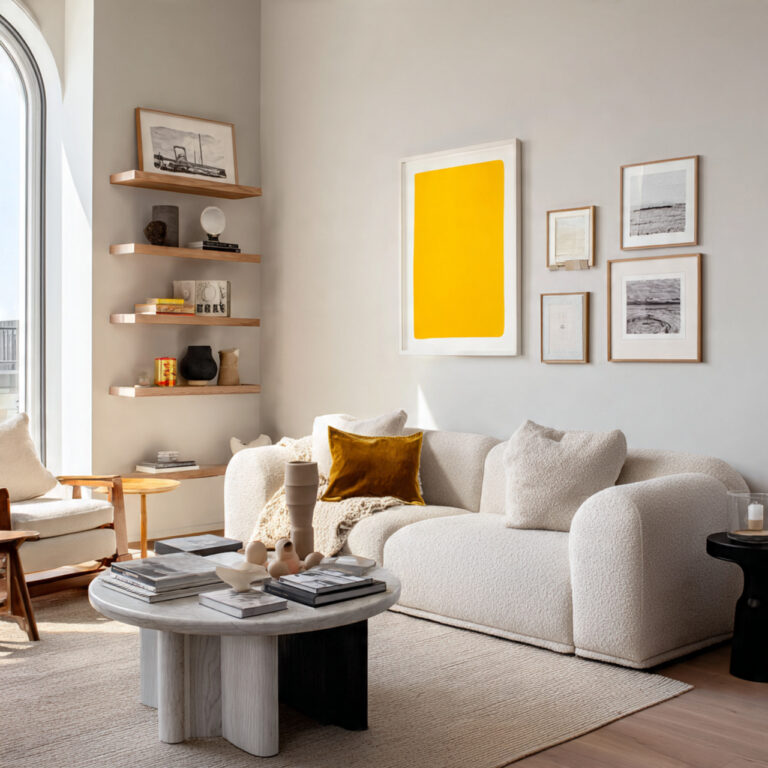
Minimalist living rooms are beautiful, but they can sometimes feel cold and empty. I used to struggle with that too. The moment I started focusing on warmth through textures, tones, and real life comfort, everything changed. You can keep your space simple and still make it feel inviting, cozy, and full of life.
1. Warm Scandinavian Minimalist Living Room

Scandinavian design is one of the easiest ways to create a warm minimalist living room. It focuses on light, simplicity, and comfort, all at the same time.
The base is usually soft white walls, but the warmth comes from natural wood, cozy fabrics, and soft lighting. The goal is to make the room feel bright but never cold.
What makes this style feel warm:
- Light wood furniture, like oak or ash
- Soft wool throws and textured cushions
- Neutral rugs with subtle patterns
- Warm lighting instead of bright white bulbs
I tried this look once with just a few changes, and it instantly made my space feel calmer. It is simple, but it never feels empty.
2. Japandi Style Living Room with Earthy Warmth

Japandi blends Japanese simplicity with Scandinavian comfort. It is minimal, but it feels grounded and peaceful instead of empty.
This style uses low furniture, natural materials, and soft earthy tones. It is all about balance and intention.
To create this look:
- Use low profile sofas or chairs
- Stick to neutral tones like beige, taupe, and soft brown
- Add wooden elements with a matte finish
- Keep decor minimal but meaningful
When I first explored Japandi, I noticed how relaxing it felt. There was nothing extra, yet everything felt complete.
3. Beige and Cream Monochrome Living Room
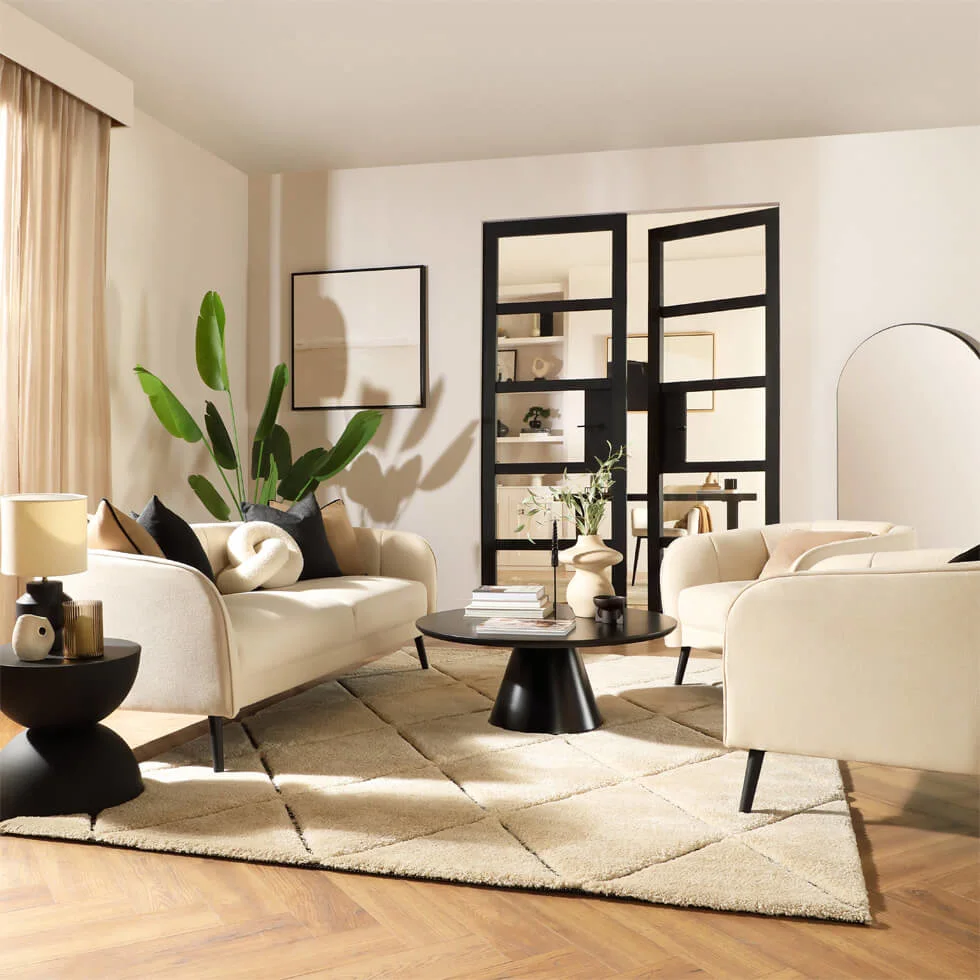
A monochrome living room does not have to feel boring. When done with warm tones like beige and cream, it can feel incredibly cozy.
The secret is layering. Instead of using one flat color, you mix different shades and textures.
Here is how to make it work:
- Combine cream walls with beige furniture
- Use textured fabrics like linen and boucle
- Add a soft rug in a similar tone
- Include subtle contrast with light wood
I once switched from gray tones to beige, and the difference was huge. The room felt softer and more inviting without losing its clean look.
4. Minimalist Living Room with Natural Wood Focus
:max_bytes(150000):strip_icc()/minimalist-living-room-ideas-5213203-hero-d27f8dcfa0b84706adbbd28ea0e1b48d.jpg)
Natural wood brings instant warmth into any space. It adds character and depth without making the room feel busy.
You can use wood as the main design feature, whether through furniture or wall elements.
Ways to incorporate wood:
- A wooden coffee table or console
- Open wooden shelving
- Wooden wall panels or slats
- Matching wood tones across the room
The key is consistency. When wood tones match, the room feels cohesive and intentional.
I love how wood makes a room feel grounded. It connects the space to nature in a subtle way.
5. Soft Modern Minimalist Living Room
:max_bytes(150000):strip_icc()/BradRamseyInteriors_credit_CarolineSharpnack-dee35c1fab554898af7c549697c2f592.jpg)
Modern minimalism often leans toward sharp lines and cool tones. Soft modern design changes that by introducing gentle shapes and warm colors.
This style feels clean, but also comfortable.
To achieve this look:
- Choose furniture with rounded edges
- Use soft neutral tones instead of stark white
- Add plush cushions and throws
- Keep decor minimal but warm
I noticed that simply swapping sharp furniture for softer shapes made my living room feel more welcoming. Small changes can make a big difference.
6. Earth Tone Minimalist Living Room Aesthetic

Earth tones bring warmth naturally. Colors like terracotta, olive green, and warm brown create a cozy atmosphere.
This style feels grounded and connected to nature. It is perfect if you want a calm and relaxing space.
Key elements include:
- Warm earthy wall colors or accents
- Natural fabrics like cotton and linen
- Wooden or clay decor pieces
- Soft lighting to enhance the tones
I once added a terracotta cushion and a muted green throw, and it completely changed the mood of the room.
7. Minimalist Living Room with Woven and Textured Accents
:max_bytes(150000):strip_icc()/minimalist-living-room-ideas-5213203-hero-d27f8dcfa0b84706adbbd28ea0e1b48d.jpg)
Texture is one of the easiest ways to add warmth without adding clutter. Woven materials bring depth while keeping the look simple.
You do not need bold colors when you have rich textures.
Add texture through:
- Woven baskets
- Natural fiber rugs
- Textured cushions
- Rattan or cane furniture
This approach works well if you love neutral spaces but still want them to feel alive.
I realized that texture can do what color sometimes cannot. It adds interest without overwhelming the room.
8. Cozy Minimalist Living Room with Layered Neutrals
:max_bytes(150000):strip_icc()/estherbschmidt-01ae95c7f5b44f1b9560bf7683d9cf7f.jpg)
Layering neutrals creates depth and comfort. Instead of using one shade, you combine several similar tones.
This makes the room feel rich without being busy.
To layer neutrals effectively:
- Mix cream, beige, and soft brown
- Use different fabrics for variation
- Add subtle patterns
- Keep everything within the same tone family
When I tried this approach, the room felt more complete. It looked styled, but still relaxed.
9. Minimalist Living Room with Statement Warm Lighting
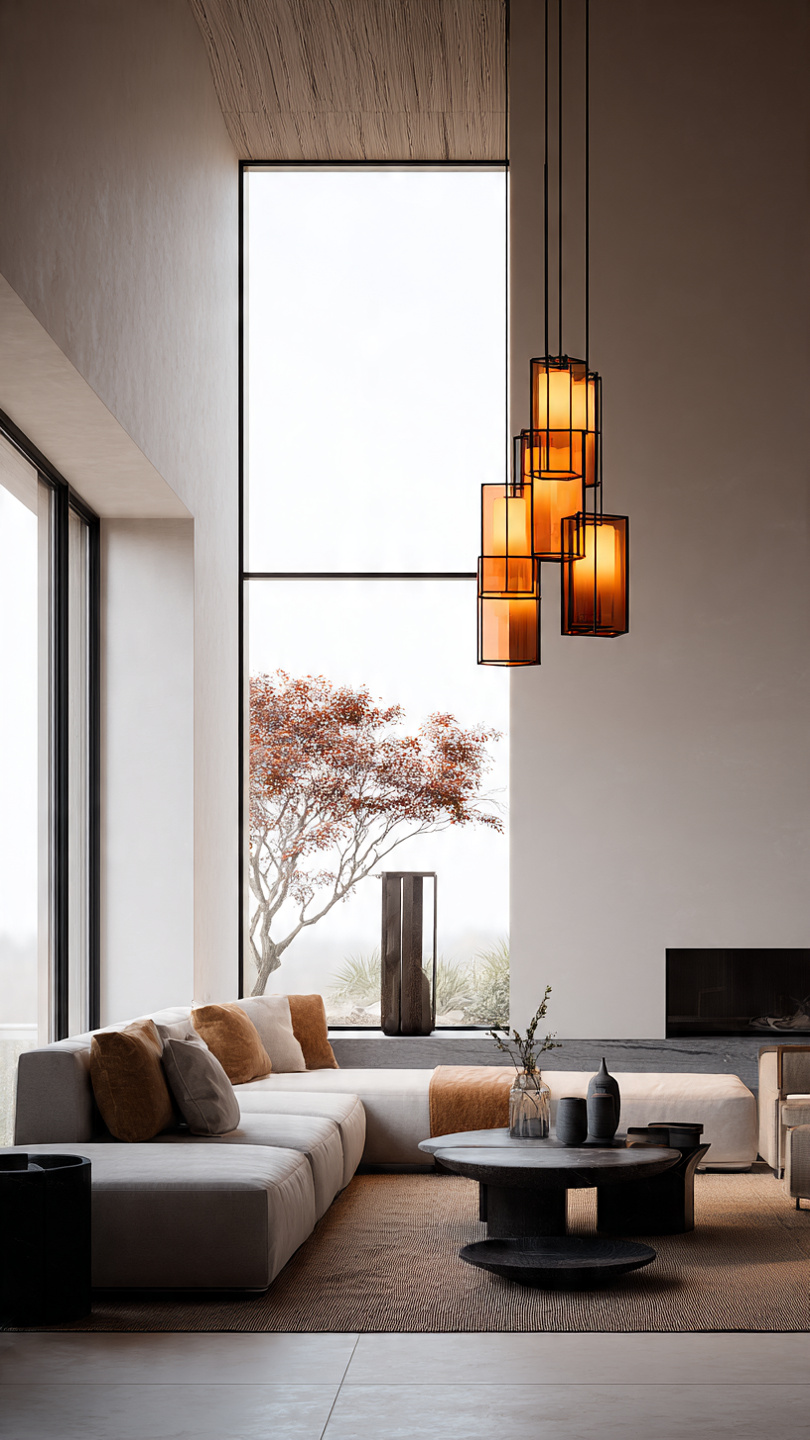
Lighting can define the entire mood of your living room. Warm lighting makes the space feel cozy, especially in the evening.
Instead of relying on one overhead light, use multiple light sources.
Good lighting choices include:
- Floor lamps with soft shades
- Table lamps with warm bulbs
- Wall sconces for soft glow
- Candles for added warmth
I switched to warm lighting in my living room, and it changed everything. The space felt more inviting instantly.
10. Modern Organic Minimalist Living Room
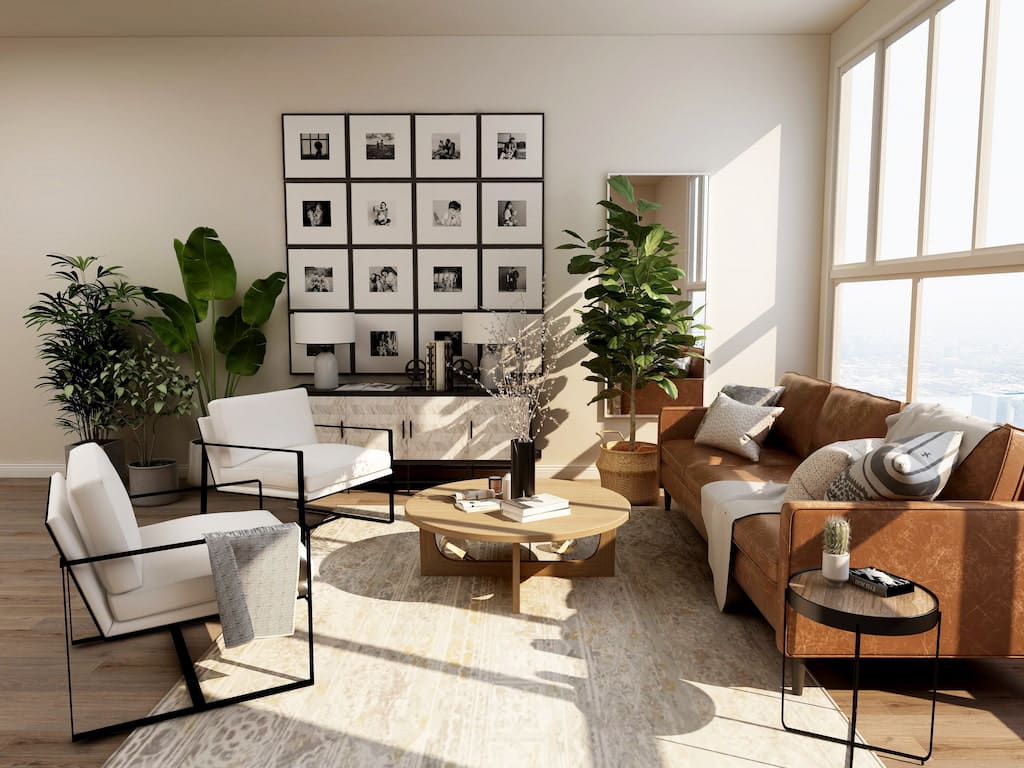
Modern organic design combines minimalism with natural elements. It feels clean, but also relaxed and lived in.
This style focuses on simplicity, but with a touch of nature.
To create this aesthetic:
- Use natural materials like wood and stone
- Choose neutral colors with warm undertones
- Add plants for life and freshness
- Keep furniture simple and functional
This is one of my favorite styles because it feels balanced. It is minimal, but never cold.
11. Minimalist Living Room with a Cozy Reading Nook
:max_bytes(150000):strip_icc()/cozy-reading-nooks-4160829-hero-cc15cba8b7fd49ca9c83c91f2623f8e6.jpg)
Adding a small reading corner can make your living room feel more personal and inviting.
It does not require much space. Even a simple chair and lamp can create a cozy spot.
To build a reading nook:
- Choose a comfortable chair
- Add a soft throw blanket
- Include a small side table
- Use a warm floor lamp
I added a reading corner once, and it became my favorite part of the room. It made the space feel more lived in.
12. Neutral Minimalist Living Room with Subtle Contrast
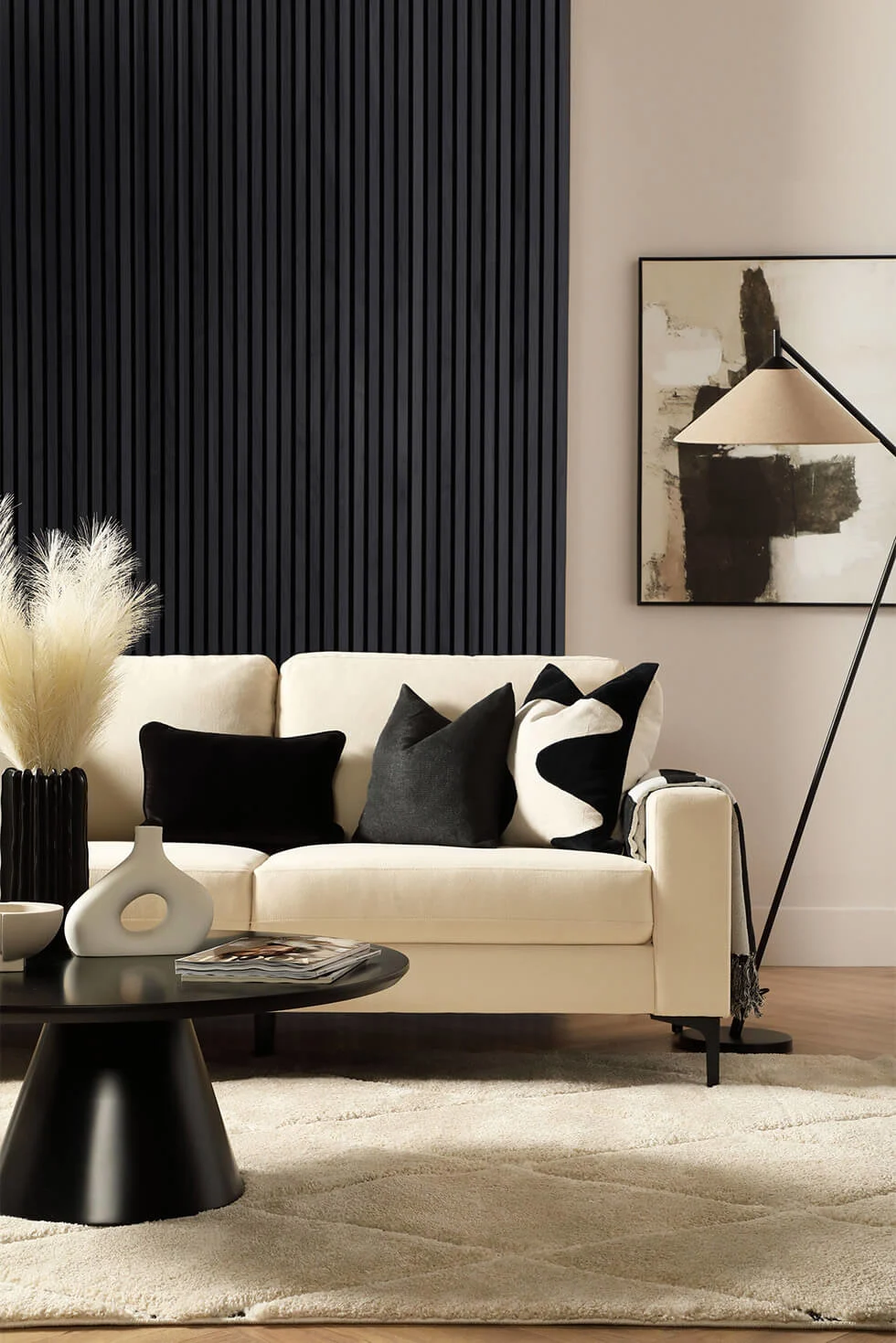
Too much of one color can feel flat. Adding subtle contrast keeps the room interesting without losing its calm feel.
This could be as simple as mixing light and dark neutrals.
Ways to add contrast:
- Pair cream walls with a soft brown sofa
- Add black or dark accents sparingly
- Use darker wood tones for depth
- Include contrasting textures
The key is balance. Contrast should enhance the space, not overpower it.
13. Minimalist Living Room with Floor to Ceiling Curtains
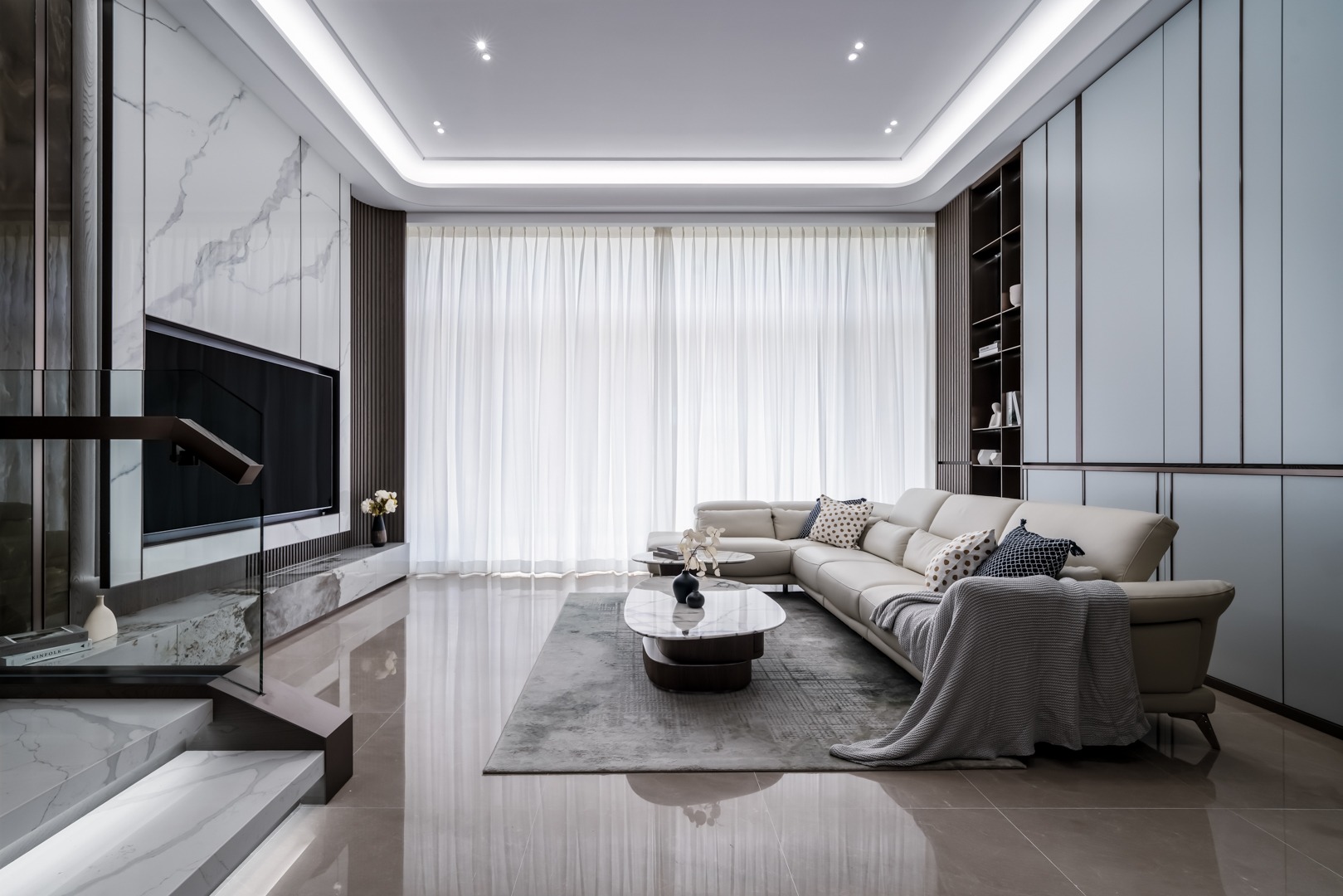
Curtains can completely change how a living room feels. Floor to ceiling drapes add softness and height.
They make the room feel elegant and cozy at the same time.
To get the best result:
- Choose light, flowing fabrics
- Stick to neutral colors
- Hang curtains higher than the window
- Let them gently touch the floor
I added long curtains to my living room, and it instantly felt more polished. It is a simple upgrade with a big impact.
Final Thoughts
Minimalism does not have to feel cold or empty. When you focus on warmth, texture, and comfort, your living room becomes a place you actually enjoy spending time in.
Start small. Add a soft throw, change your lighting, or introduce natural materials. Over time, these small changes create a space that feels balanced and inviting.
The goal is not perfection. It is creating a home that feels calm, warm, and truly yours.