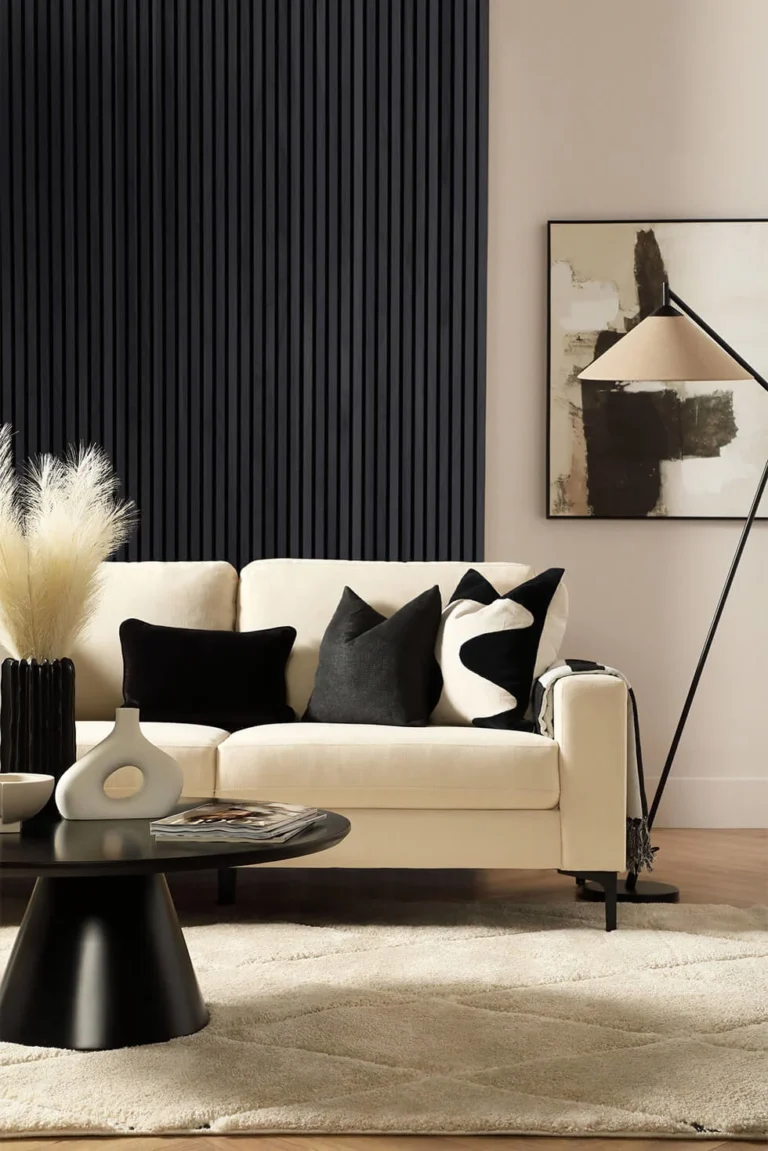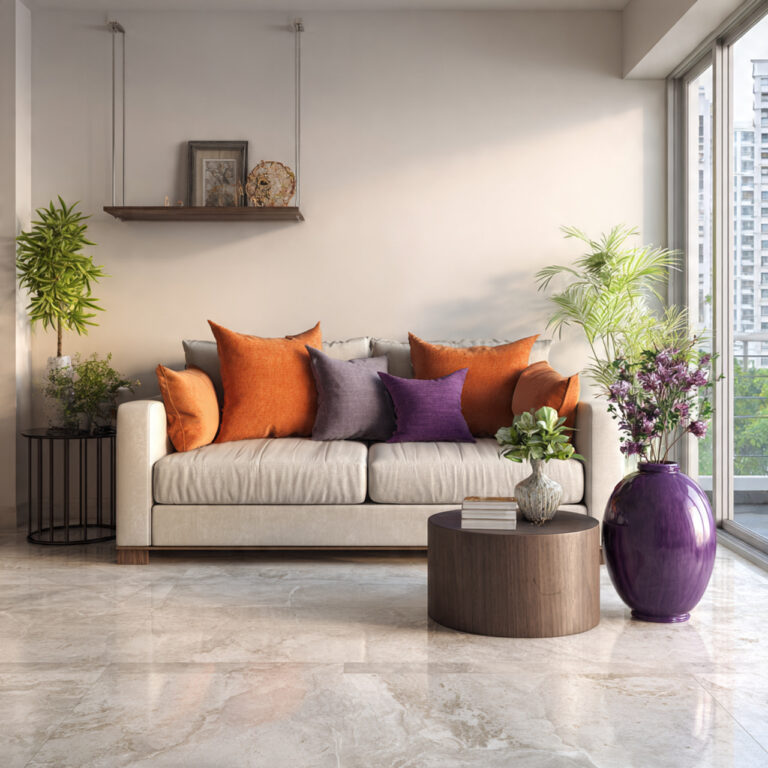
A rug can completely change how a living room feels, but only when it’s placed correctly. I’ve seen beautiful rugs make spaces look awkward simply because the sizing or layout was off. The good news is that most rug placement mistakes are easy to fix once you know the basic rules designers actually follow.
Choose the Right Rug Size Before Arranging Furniture

One of the biggest mistakes people make is buying a rug that is too small. A tiny rug floating in the middle of the room instantly makes the entire space feel disconnected and unfinished.
A properly sized rug helps tie all the furniture together. It creates structure and makes the room feel intentional instead of randomly arranged.
I used to think smaller rugs made a room look bigger because they exposed more flooring. In reality, the opposite usually happens. Small rugs visually shrink the seating area.
A larger rug creates better flow because the eye moves across the room more naturally. Even modest-sized living rooms usually benefit from bigger rugs.
Here are some common rug sizes and where they work best:
- 5×7 rugs for very compact seating areas
- 8×10 rugs for standard living rooms
- 9×12 rugs for larger open layouts
- Round rugs for smaller conversational corners
Before buying a rug, measure the room and furniture layout first. Guessing almost always leads to sizing mistakes later.
Keep at Least the Front Legs of Furniture on the Rug
:max_bytes(150000):strip_icc()/AmyCooper-MarcellaAlanAfter1-5bef478326874b728b526bac19649802.jpg)
This is probably the most important rug placement rule interior designers follow. At minimum, the front legs of your sofa and chairs should sit on the rug.
When furniture sits completely off the rug, the room feels visually separated. The rug starts looking like an isolated island instead of part of the design.
Placing front furniture legs on the rug instantly creates connection between all the pieces. The entire seating arrangement feels more grounded and cohesive.
In larger living rooms, having all furniture legs fully on the rug looks even more luxurious and balanced.
This rule works especially well for:
- Sofas and sectionals
- Accent chairs
- Coffee tables
- Ottomans
Even a few inches of overlap can completely improve how polished the room feels.
Avoid Floating Rugs in the Middle of the Room
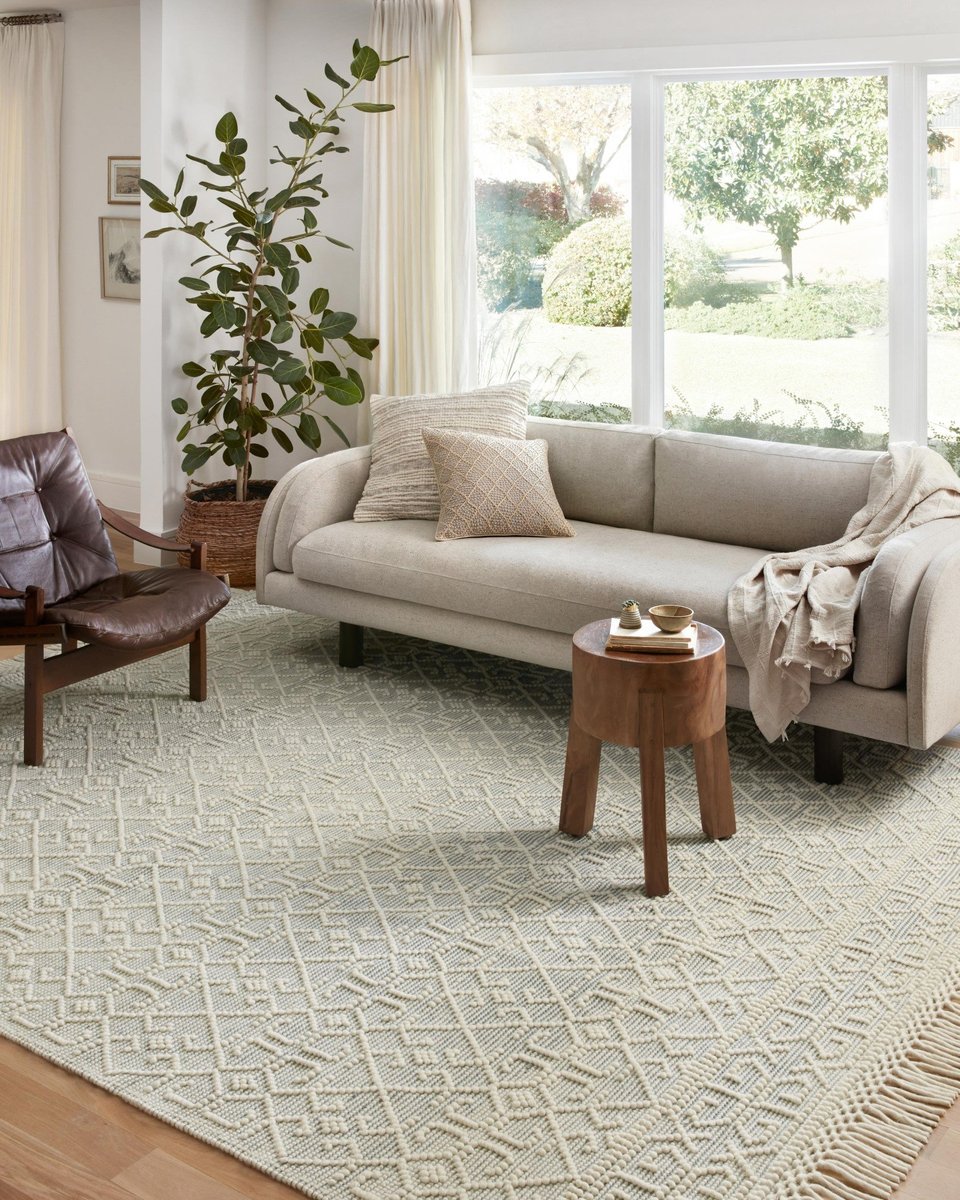
Floating rugs are one of the most common layout mistakes, especially in newer homes with open floor plans. The rug ends up sitting awkwardly in the center without connecting to anything around it.
This usually happens when people choose rugs based only on appearance instead of considering the full furniture layout.
A rug should visually anchor the seating area. It needs to feel connected to the surrounding furniture rather than existing separately.
I’ve noticed floating rugs often make expensive living rooms feel surprisingly unfinished. The room can have beautiful furniture and decor, but the layout still feels slightly off.
To avoid the floating rug problem:
- Position the rug beneath major furniture pieces
- Keep the seating arrangement connected visually
- Avoid leaving large empty gaps around the rug
- Scale the rug according to the room size
The rug should feel like the foundation of the space, not a decorative afterthought.
Leave Equal Floor Space Around the Rug Edges
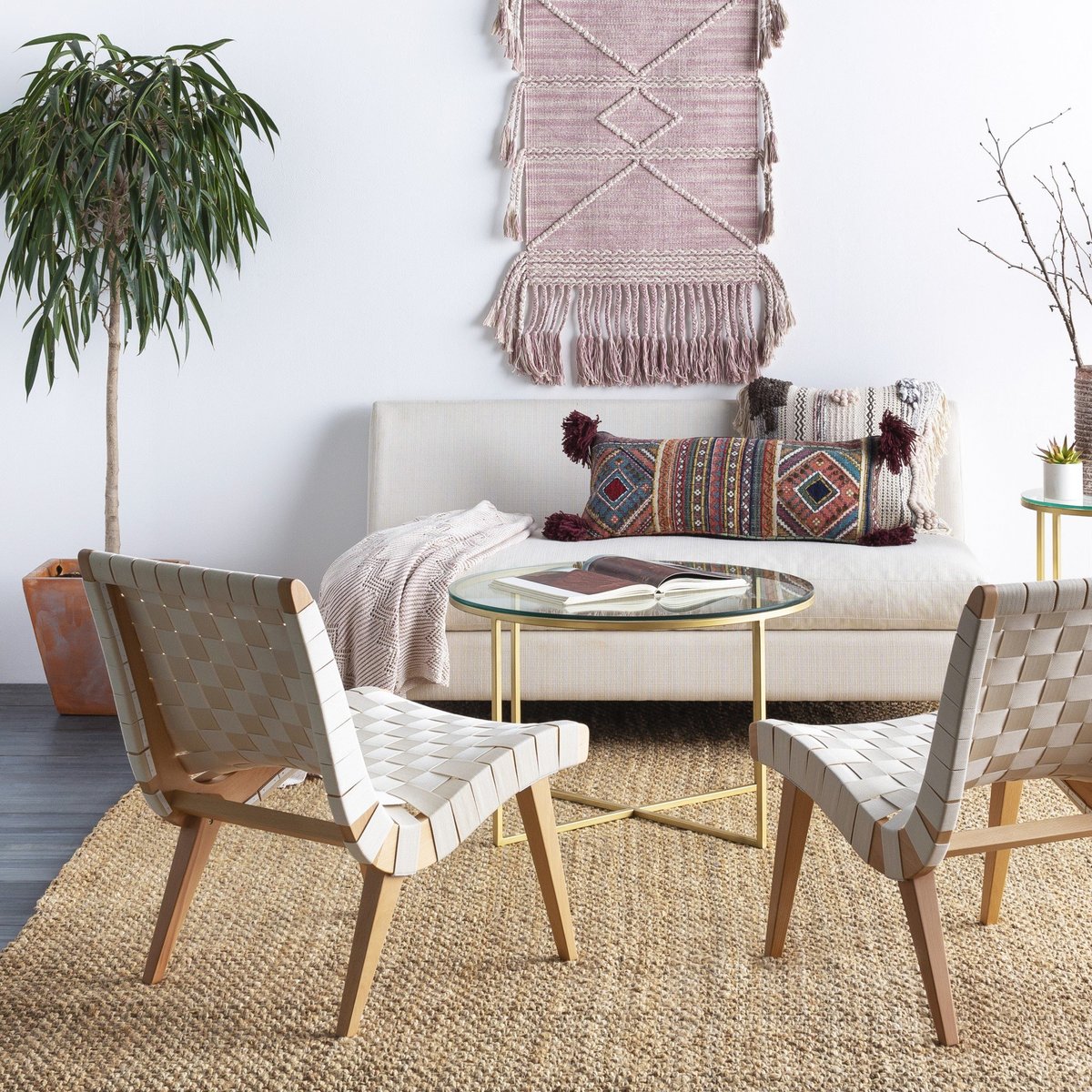
Balanced spacing around the rug helps the room feel cleaner and more symmetrical. Uneven spacing can make even well-designed spaces feel awkward.
Most designers recommend leaving about 12 to 18 inches of visible flooring around the rug edges in standard living rooms.
In smaller spaces, slightly less visible floor space usually works better because it prevents the rug from looking undersized.
One mistake I see often is placing a rug too close to one wall while leaving huge gaps on the opposite side. That imbalance immediately affects the room visually.
Good spacing creates:
- Better visual balance
- Cleaner room proportions
- Improved furniture flow
- A more intentional layout
If your rug placement feels strange, uneven spacing is often the hidden problem.
Center the Rug Around the Main Seating Area
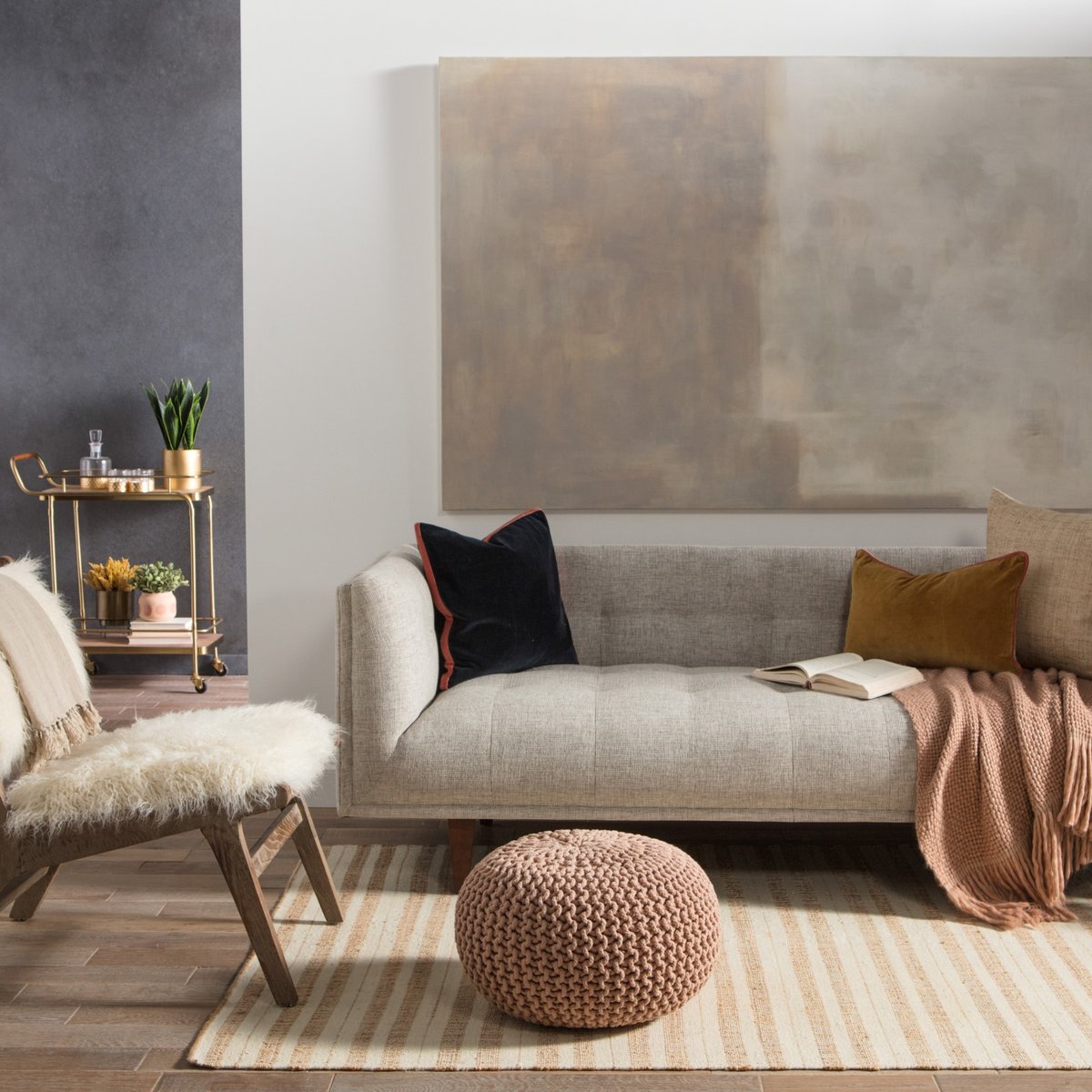
The rug should always relate to the main seating zone, not necessarily the center of the room itself. This is where many people accidentally go wrong.
Sometimes the seating area sits slightly off-center because of fireplaces, windows, or walkways. The rug should follow the furniture arrangement instead of forcing symmetry unnaturally.
Centering the rug around the seating group helps everything feel organized and comfortable.
Coffee tables also play a major role here. Ideally, the coffee table should sit centered on the rug while maintaining enough walking space around it.
A balanced setup usually includes:
- Sofa centered with the rug
- Coffee table positioned evenly
- Chairs aligned naturally
- Comfortable walking paths around furniture
When the rug aligns with the seating area properly, the room instantly feels calmer and easier to navigate.
Use Large Rugs to Make Small Living Rooms Feel Bigger
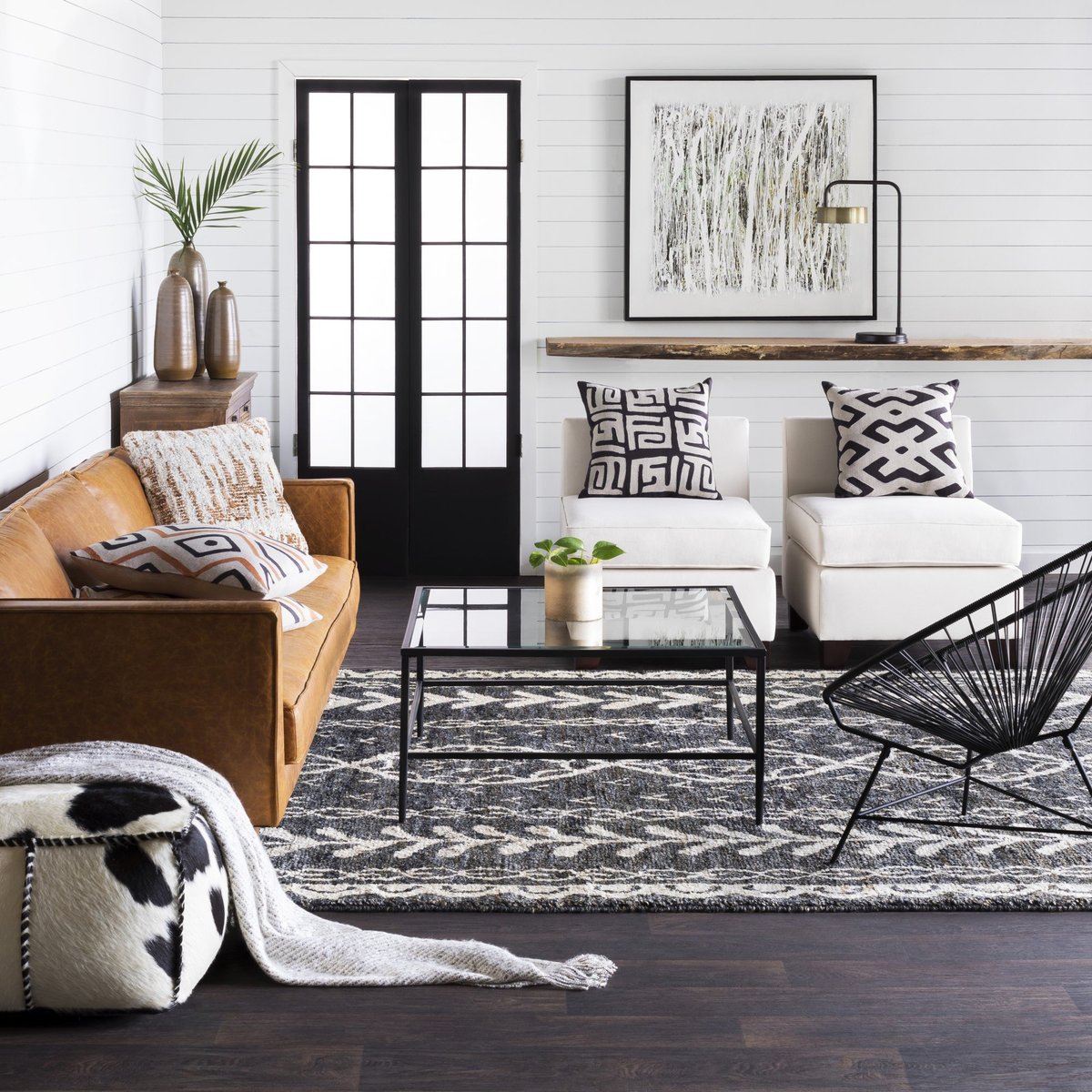
This sounds backward at first, but larger rugs actually make small living rooms feel more spacious. Small rugs visually chop up the room and create unnecessary divisions.
A larger rug creates one continuous visual zone, which helps the room feel more open and unified.
I made this mistake years ago in a small apartment. I bought a tiny rug thinking it would save space, but it only made the room feel cramped. Switching to a larger rug completely changed the atmosphere.
Light-colored rugs also help smaller rooms feel airier because they reflect more light throughout the space.
For smaller living rooms, these tips work especially well:
- Use rugs large enough for furniture overlap
- Choose lighter neutral tones
- Avoid overly busy patterns
- Keep borders simple and clean
The goal is making the room feel connected instead of visually broken into sections.
Match Rug Shape to Your Furniture Layout
Most people automatically buy rectangular rugs without considering whether the shape actually suits the room. Rug shape has a bigger impact on layout than many realize.
Rectangular rugs work best in traditional seating arrangements because they follow the natural lines of sofas and sectionals.
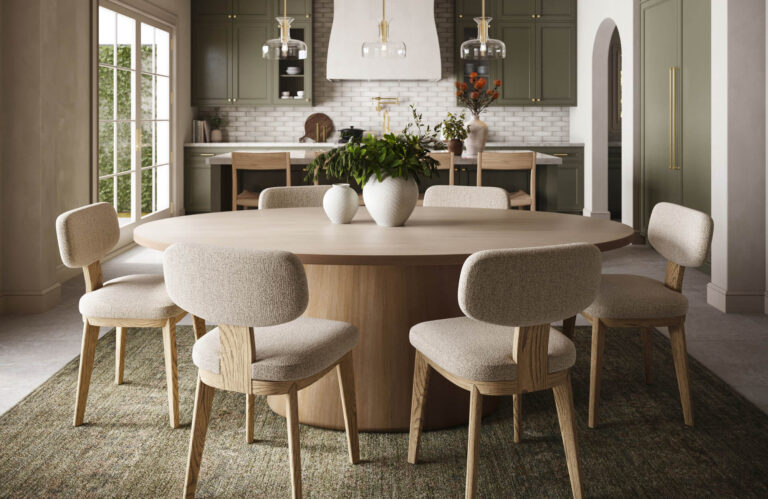
Round rugs soften spaces filled with sharp corners and straight furniture lines. They also work beautifully in smaller seating areas.
Square rugs often suit symmetrical layouts better than rectangular ones, especially when furniture arrangements are evenly balanced.
A few simple shape guidelines:
- Rectangular rugs for standard layouts
- Round rugs for cozy corners
- Square rugs for balanced seating groups
- Oval rugs for softer visual flow
The rug shape should support the furniture arrangement instead of competing against it.
Layer Rugs Correctly Without Making the Room Feel Cluttered
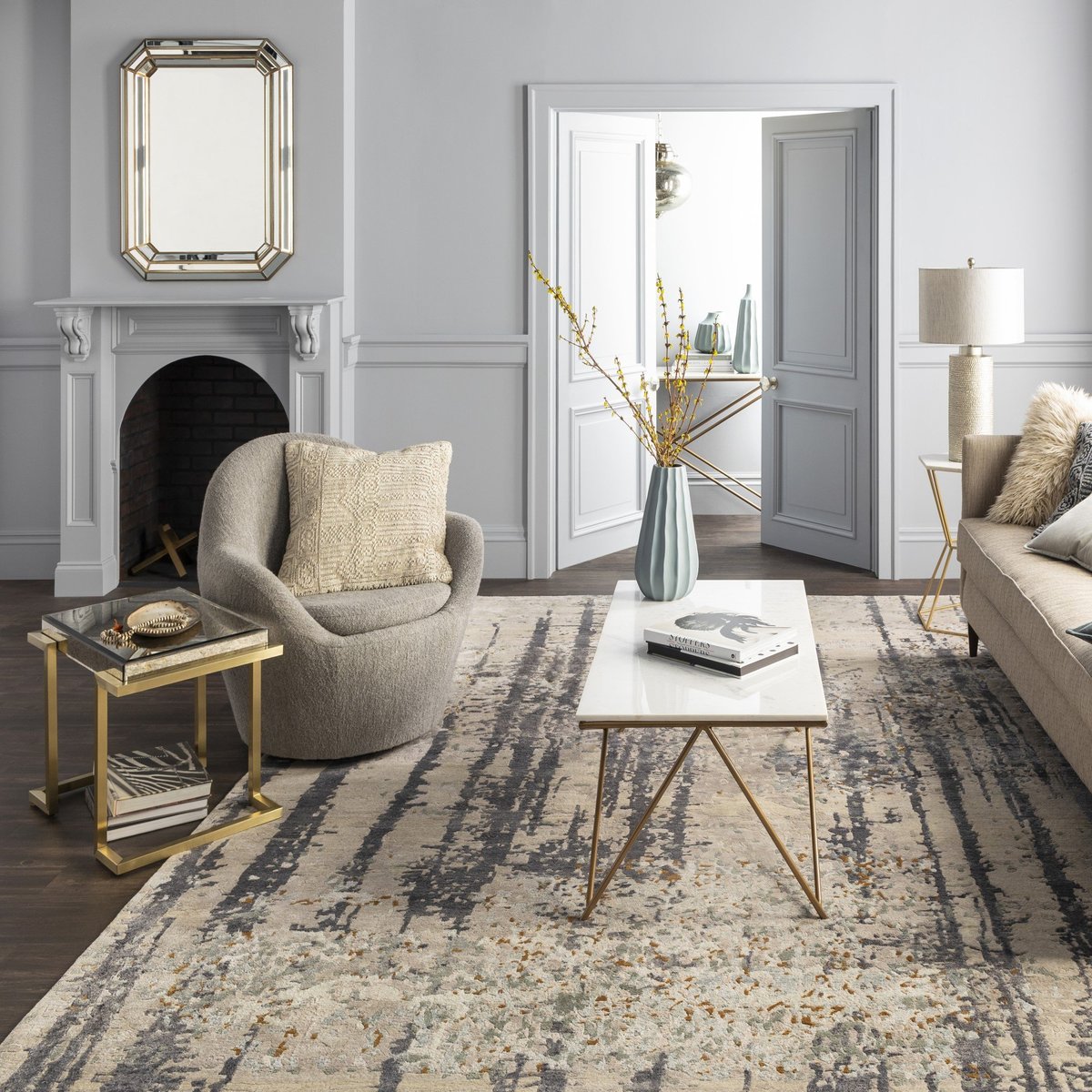
Layered rugs can make a living room feel warm and designer-inspired when done correctly. The problem is that many people overdo the layering and create visual clutter instead.
The easiest method is starting with a large neutral base rug. Then add a smaller patterned or textured rug on top for contrast.
Natural textures like jute or wool work especially well because they add warmth without overwhelming the room.
One thing I’ve learned is that layered rugs look best when the color palette stays fairly calm. Too many competing colors quickly make the room feel chaotic.
Here’s a simple layering formula that usually works:
- Large neutral base rug
- Smaller textured accent rug
- Similar color tones
- Minimal surrounding patterns
Layering should add dimension, not visual stress.
Avoid Blocking Walkways With Incorrect Rug Placement
A beautiful rug layout means nothing if the room becomes difficult to walk through comfortably. Traffic flow matters just as much as appearance.
One common mistake is placing rugs where furniture edges or corners interrupt natural walking paths. This makes the room feel crowded very quickly.
Walkways should feel open and easy to move through without constantly stepping around obstacles.
In narrow living rooms especially, proper spacing becomes extremely important. Even a few inches can improve how comfortable the room feels.
Helpful placement habits include:
- Keeping walkways clear
- Leaving space around seating areas
- Avoiding tightly packed furniture
- Aligning rugs with natural traffic flow
A room should feel effortless to move around in, not like an obstacle course.
Use Rug Placement to Define Open-Concept Living Rooms
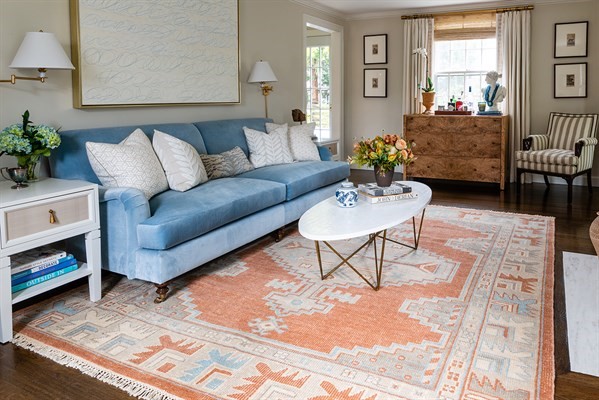
Open-concept layouts often feel challenging because there are fewer walls defining separate spaces. Rugs become incredibly important in these homes.
A properly placed rug visually separates the living area from dining or kitchen spaces without needing physical dividers.
Large rugs work especially well because they create strong visual boundaries while still keeping the space open and connected.
I personally think rugs are one of the easiest ways to make open layouts feel more organized without sacrificing the airy feeling people love.
Some effective open-concept rug strategies include:
- Using one large rug per zone
- Aligning rugs with furniture layouts
- Leaving clear walking paths between zones
- Coordinating rug colors across the space
The rug should help define the purpose of the room while maintaining overall flow.
How to Create a Balanced Living Room Layout With the Right Rug Placement

The best rug placement always comes down to balance, proportion, and comfort. A rug should support the furniture layout naturally instead of competing for attention.
When everything aligns properly, the room instantly feels calmer and more welcoming. Even simple furniture arrangements start looking more expensive and thoughtfully designed.
One thing I’ve realized over time is that good rug placement is less about strict decorating rules and more about how the room feels when you walk into it.
A balanced living room usually includes:
- Correct rug sizing
- Connected furniture placement
- Comfortable traffic flow
- Even visual spacing
- A cohesive seating arrangement
Once the rug placement feels right, the entire living room starts working together effortlessly. It becomes one of those subtle details people may not immediately notice, but they definitely feel the difference.