A dining room rug can completely change how the space looks and feels, but placement matters far more than most people realize. I learned this after buying a beautiful rug that looked perfect online but felt awkward in my dining room. Once I fixed the placement mistakes, the entire room instantly felt more balanced, stylish, and comfortable.
1. Choose the Right Rug Size for Your Dining Table
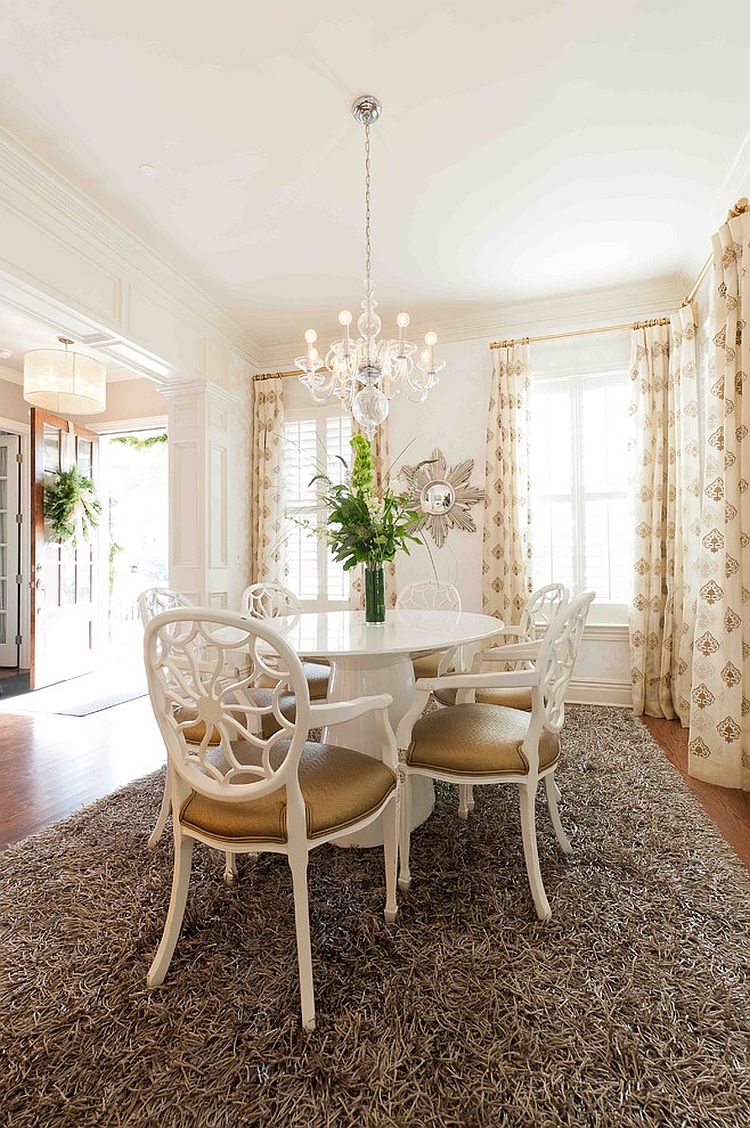
One of the biggest mistakes people make is choosing a rug that is too small. Even an expensive rug can make the dining room feel awkward if the size does not work properly with the table.
Your rug should extend far enough beyond the table so chairs remain fully on the rug when pulled out. This creates better comfort and keeps the room looking balanced.
I once used a rug that barely fit under the table itself, and every time someone moved their chair, it caught on the rug edge. It made the whole setup feel cramped and frustrating.
A good rule to follow is leaving at least 24 inches of rug space around the table on all sides. Larger dining rooms may even benefit from 30 inches of extra coverage.
Popular dining room rug sizes include:
- 6×9 rugs for smaller dining tables
- 8×10 rugs for medium-sized spaces
- 9×12 rugs for larger dining rooms
- Round rugs for circular tables
- Square rugs for compact square layouts
Before buying a rug, pull your chairs out fully and measure the total footprint. This simple step prevents one of the most common dining room rug mistakes.
2. Make Sure Chairs Stay on the Rug Even When Pulled Out
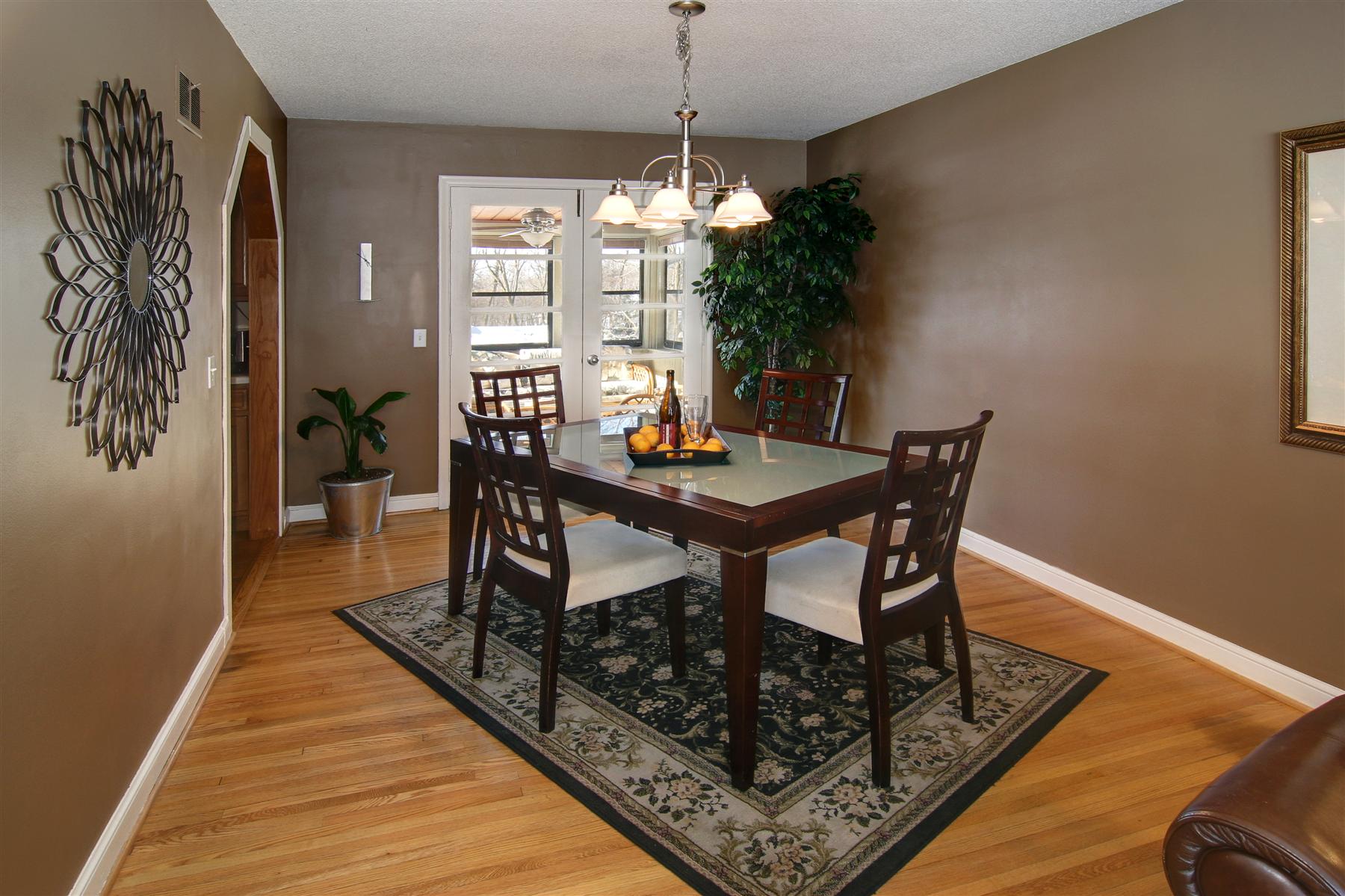
A dining room rug should support both the table and the chairs comfortably. If chair legs constantly slide off the rug, the space quickly feels inconvenient.
This is something many people overlook because they focus mainly on how the rug looks underneath the table itself rather than how it functions during daily use.
When chairs move smoothly across the rug, the room instantly feels more polished and comfortable. It also prevents uneven wear on flooring around the dining area.
To test proper placement, pull every chair out as if someone is about to sit down. All chair legs should still remain securely on the rug.
Here are a few problems caused by rugs that are too small:
- Chairs wobble when pulled back
- Rug edges curl over time
- Floors scratch more easily
- The room feels visually disconnected
- Dining feels less comfortable overall
Function matters just as much as appearance. A rug that works properly will make the dining area feel effortless and more inviting every single day.
3. Center the Rug Properly Under the Dining Table
:strip_icc()/Contemporary-dining-room-11092019_TASHIMA_BH_G_Farewell-03_DR_Overall-156_EhBAsUZaqCF9H1mFz6sDsQ-643a4cdd88774b28b1a4257608672338.jpg)
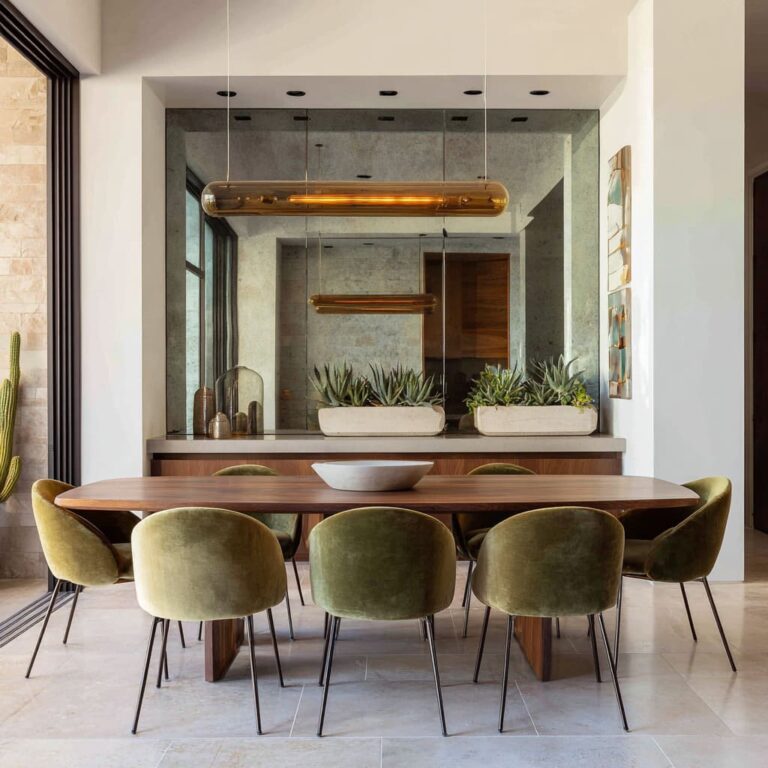
Even a beautiful rug can look wrong if it is not centered correctly. Placement affects the visual balance of the entire dining room more than most people expect.
The rug should align with the dining table and the room itself whenever possible. If the rug feels off-center, the whole room can look unintentionally uneven.
I noticed this immediately in my own dining room after shifting the rug just a few inches. Suddenly the lighting, table, and surrounding furniture all looked more coordinated.
Things to align when centering the rug include:
- The dining table
- Ceiling light fixture
- Nearby windows
- Main room layout
- Open walkways
Symmetry helps dining rooms feel calmer and more organized. Even in casual spaces, centered placement creates a cleaner and more intentional appearance.
If your dining room connects to another area, try centering the rug based on the dining zone itself rather than the entire open-concept space.
4. Match the Rug Shape to the Dining Table Shape
:strip_icc()/Midcentury-modern-dining-room-HGQ36597-E78HH53cq_eA6d2sgX1v8t-b8a6ea0f544f43d59feabcc6aba6a546.jpg)
Matching the rug shape with the dining table shape usually creates the most natural and balanced look. This simple design trick makes the room feel more visually cohesive.
Rectangular dining tables generally work best with rectangular rugs because the lines mirror each other naturally. Round tables often look better with circular rugs.
That said, design rules are flexible when proportions still feel balanced. The goal is creating harmony rather than forcing strict matching rules.
Some common rug and table pairings include:
- Round tables with round rugs
- Rectangular tables with rectangular rugs
- Square tables with square rugs
- Oval tables with large rectangular rugs
Using the wrong shape is not always disastrous, but it can sometimes make the room feel disconnected or visually awkward without people fully realizing why.
If you want a softer and more relaxed look, round rugs can help break up rooms filled with straight lines and sharp furniture edges.
5. Leave Enough Floor Space Around the Rug
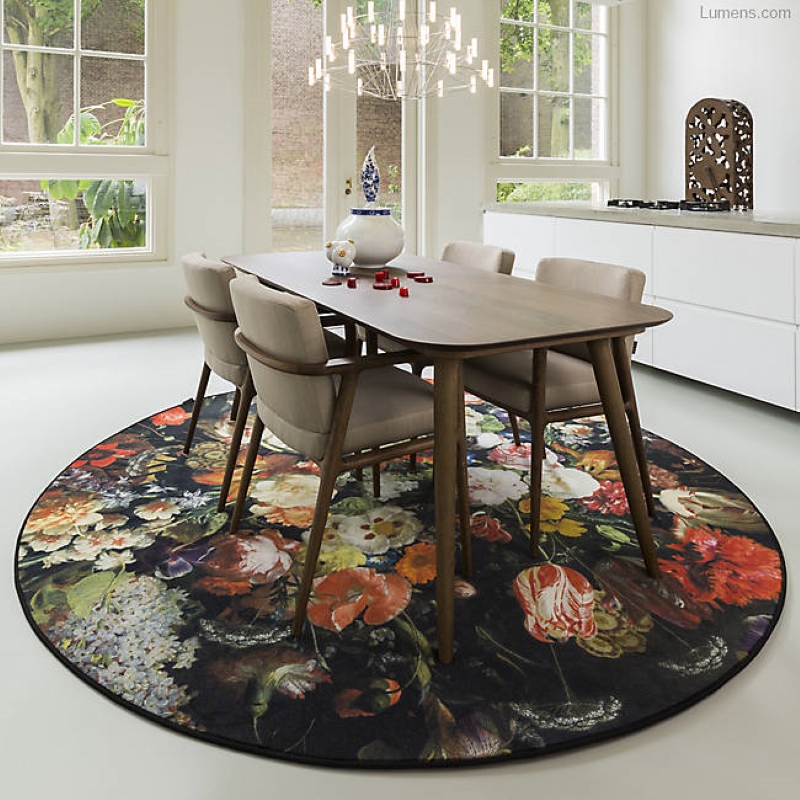
Many dining rooms feel cramped because the rug stretches too close to the walls. Leaving visible flooring around the rug helps frame the dining area beautifully.
This border of exposed flooring acts almost like a picture frame. It gives the rug breathing room and prevents the room from feeling visually overcrowded.
I used to think bigger always looked better, but oversized rugs that nearly touch every wall can sometimes overwhelm smaller dining spaces.
Most designers recommend leaving around 12 to 24 inches of visible floor between the rug edge and the walls, depending on room size.
Benefits of leaving floor space around the rug include:
- The room feels larger
- Furniture placement looks cleaner
- Rugs become a stronger focal point
- Flooring remains visible and balanced
- The dining area feels more intentional
Open-concept homes especially benefit from proper spacing because rugs help define the dining zone without making the layout feel heavy or cluttered.
6. Pick Durable Rug Materials That Can Handle Daily Dining
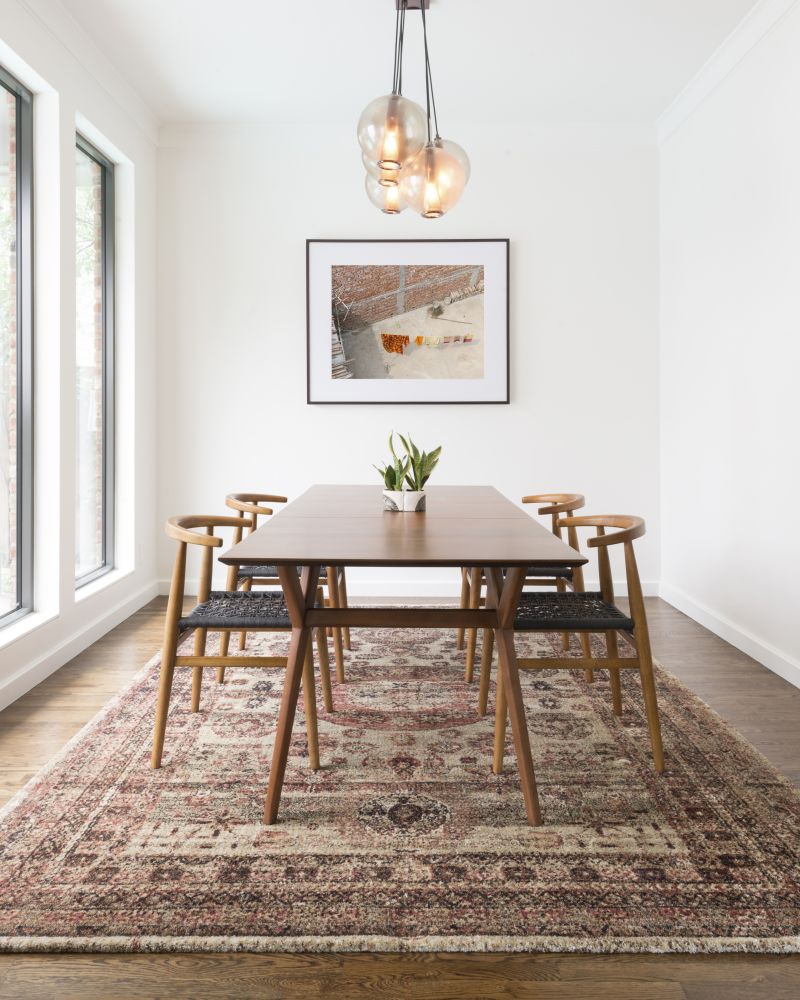
Dining rooms experience constant movement, spills, crumbs, and chair scraping. Choosing the right rug material makes a huge difference in both appearance and long-term durability.
At first, I chose a thick plush rug because it looked cozy, but cleaning it became a nightmare after only a few dinners and coffee spills.
Low-pile and flatweave rugs usually work much better in dining spaces because chairs slide more easily and crumbs are easier to clean.
Some of the best dining room rug materials include:
- Wool for durability and softness
- Polypropylene for stain resistance
- Flatweave cotton rugs for casual spaces
- Indoor-outdoor rugs for easy cleaning
- Synthetic blends for budget-friendly durability
Texture matters too. Highly textured rugs may trap food and make chair movement more difficult during everyday use.
If you have kids or pets, washable rugs can make life significantly easier while still keeping the dining room stylish and comfortable.
7. Use Rug Colors and Patterns That Hide Spills Gracefully
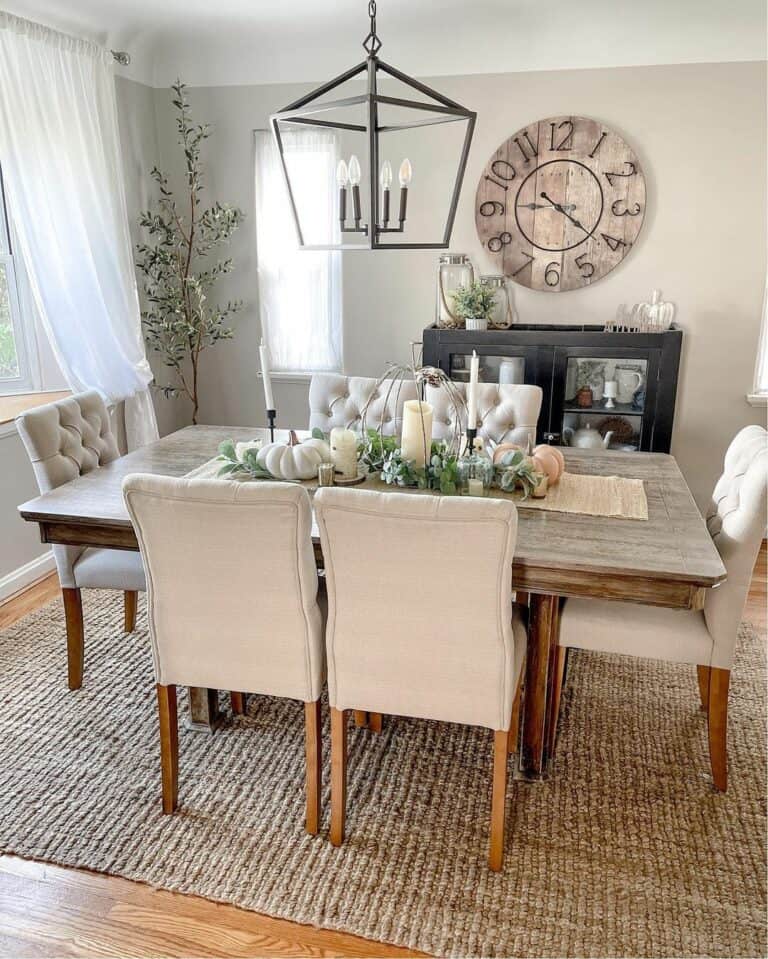
Dining room rugs should look beautiful, but practicality matters too. Light solid rugs may seem elegant at first, but they can quickly show stains and crumbs.
I learned this lesson after choosing a cream-colored rug that looked gorgeous for exactly one week before every tiny spill became noticeable.
Patterns are incredibly helpful in dining spaces because they naturally disguise everyday messes. Subtle designs usually work better than overly busy prints.
Dining-friendly rug choices often include:
- Medium-tone neutral colors
- Vintage-inspired patterns
- Distressed finishes
- Multi-toned woven designs
- Darker accent details
You do not need extremely dark rugs either. Mid-tone colors often strike the perfect balance between stylish and forgiving.
The rug should also complement the dining furniture rather than compete with it. If your chairs and table already make a strong statement, a softer rug design often works best.
8. Layer the Rug Correctly in Open-Concept Homes
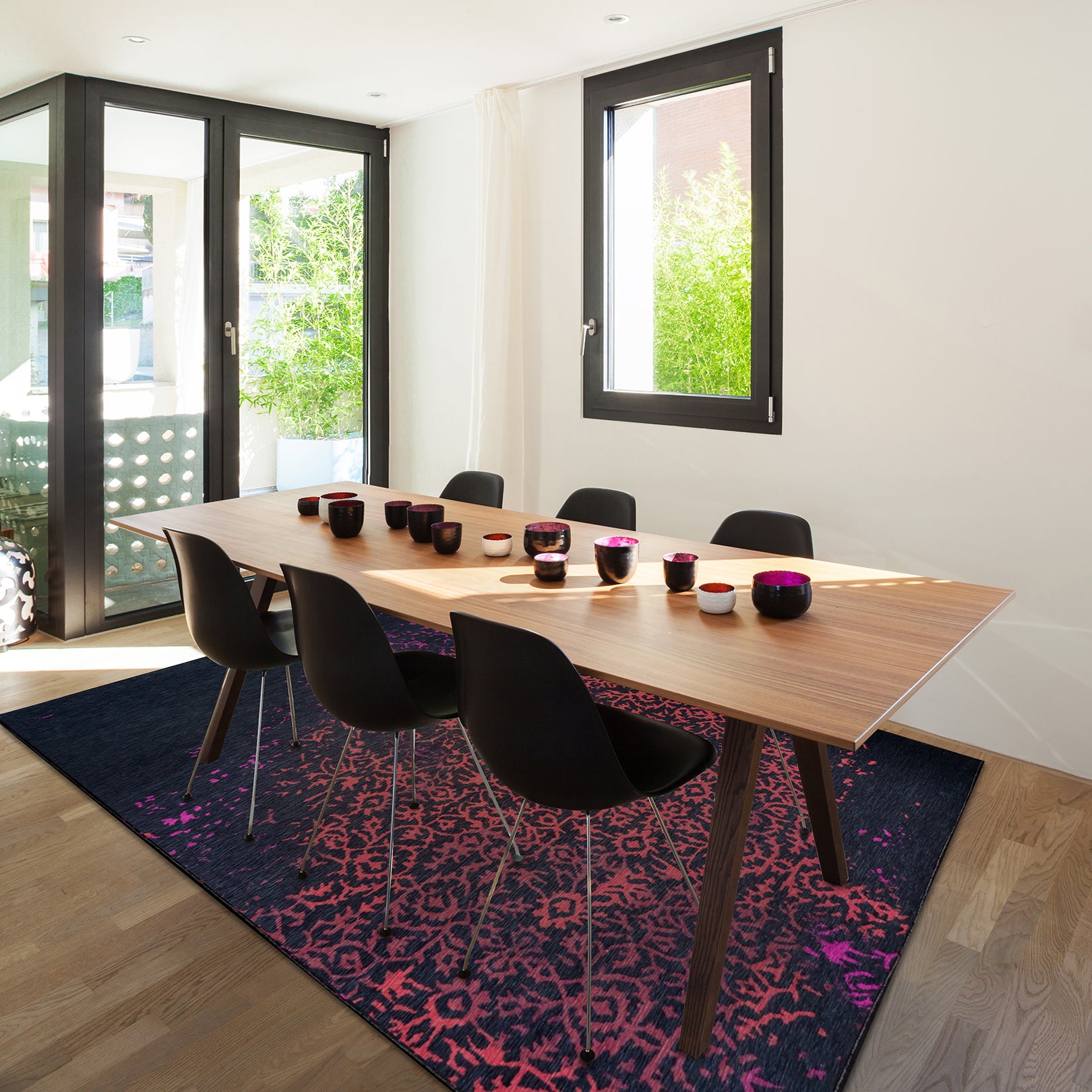
In open-concept layouts, rugs help separate spaces without adding walls or bulky dividers. Proper placement makes the dining area feel grounded and clearly defined.
Without a rug, dining furniture can sometimes appear like it is floating awkwardly inside a large shared room.
A well-placed rug visually anchors the table while creating better flow between nearby spaces like the kitchen or living room.
Helpful layering tips for open layouts include:
- Keep rug styles complementary across spaces
- Avoid rugs with clashing patterns nearby
- Maintain consistent color tones
- Use rugs to define separate zones
- Leave enough walking space between areas
I noticed my open dining space instantly looked more structured after adding a properly sized rug that connected visually with the surrounding furniture.
Consistency matters more than perfect matching. Coordinated textures and tones usually create a more natural and designer-inspired appearance.
9. Avoid Thick Rugs That Make Chairs Hard to Move
:max_bytes(150000):strip_icc()/DiningRoomwithRug-3034f93d3a964cc8b9ba8b690bebddfb.jpg)
Soft high-pile rugs may feel cozy underfoot, but they are not always practical beneath dining tables. Thick rugs often create frustration when chairs constantly snag or drag.
Dining chairs move frequently throughout the day, so smooth movement should always be part of the decision-making process.
After replacing my thick rug with a lower-pile option, the dining area instantly felt more functional and easier to use during meals and gatherings.
Low-pile rugs offer several advantages:
- Easier chair movement
- Simpler cleaning
- Less trapped debris
- Better stability under furniture
- Reduced wear around chair legs
Comfort still matters, but dining rooms benefit more from practicality than excessive softness. A flatter rug often looks cleaner and performs much better long term.
If you love plush textures, consider saving thicker rugs for bedrooms or living rooms where furniture movement is less frequent.
10. Anchor the Dining Room With Proper Rug Placement
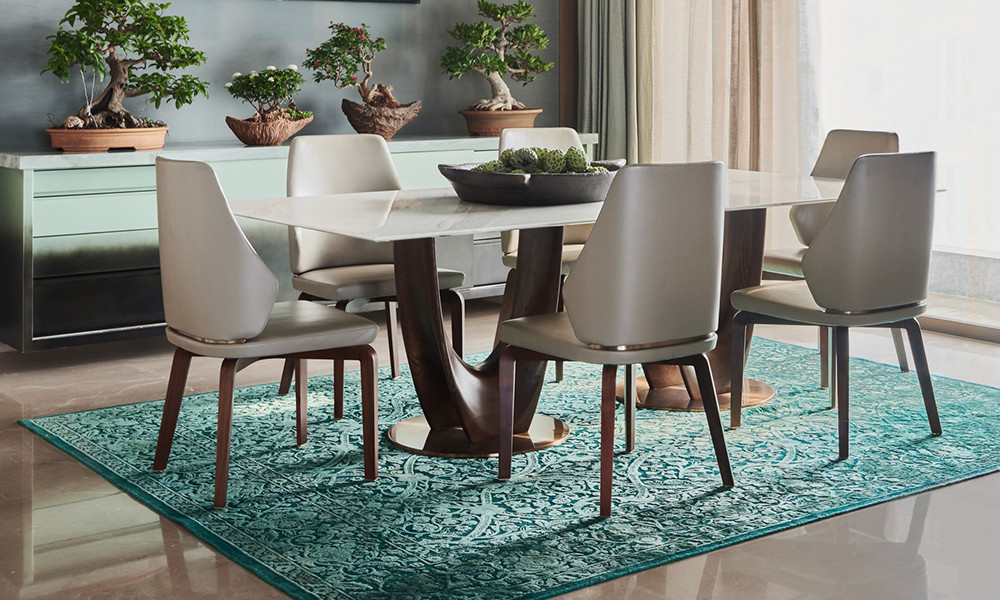
A rug should help anchor the dining room visually rather than feel like an afterthought. When placed correctly, it ties the furniture together and creates a more finished appearance.
Even simple dining rooms can feel professionally styled when the rug placement feels balanced and intentional.
I realized this after finally finding a rug that fit properly beneath both the table and chairs. Suddenly the room looked larger, calmer, and far more cohesive.
A well-anchored dining room usually includes:
- Balanced furniture spacing
- Coordinated lighting placement
- Proper rug proportions
- Consistent colors and textures
- Comfortable chair movement
The rug acts as the foundation for the entire dining area. Once that foundation feels right, everything else in the room tends to look better automatically.
Small placement adjustments can completely transform the space without requiring expensive renovations or new furniture purchases.
Final Thoughts
Dining room rug placement may seem like a small detail, but it has a huge impact on comfort, balance, and overall style. The right size, shape, texture, and placement can make the entire room feel more polished and inviting. Once I started paying attention to these simple details, my dining room instantly looked more expensive, organized, and much easier to enjoy every day.