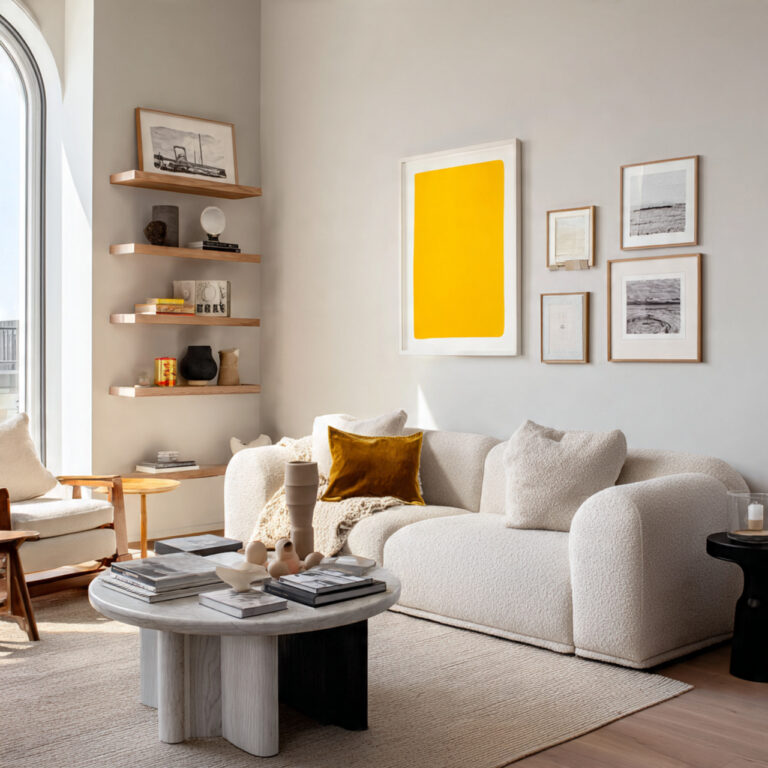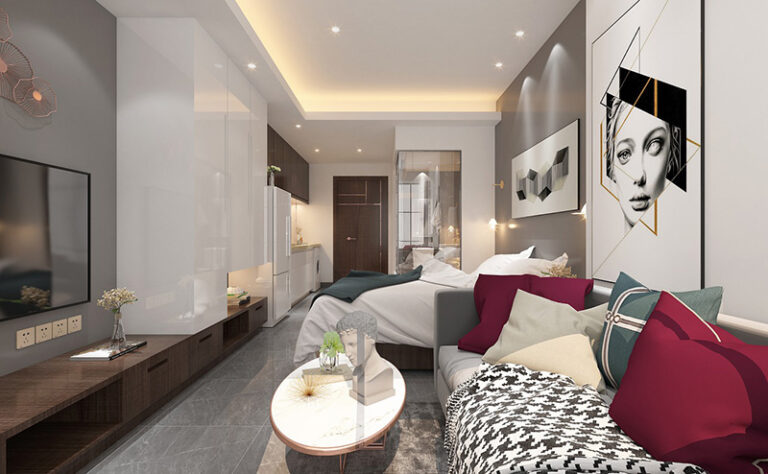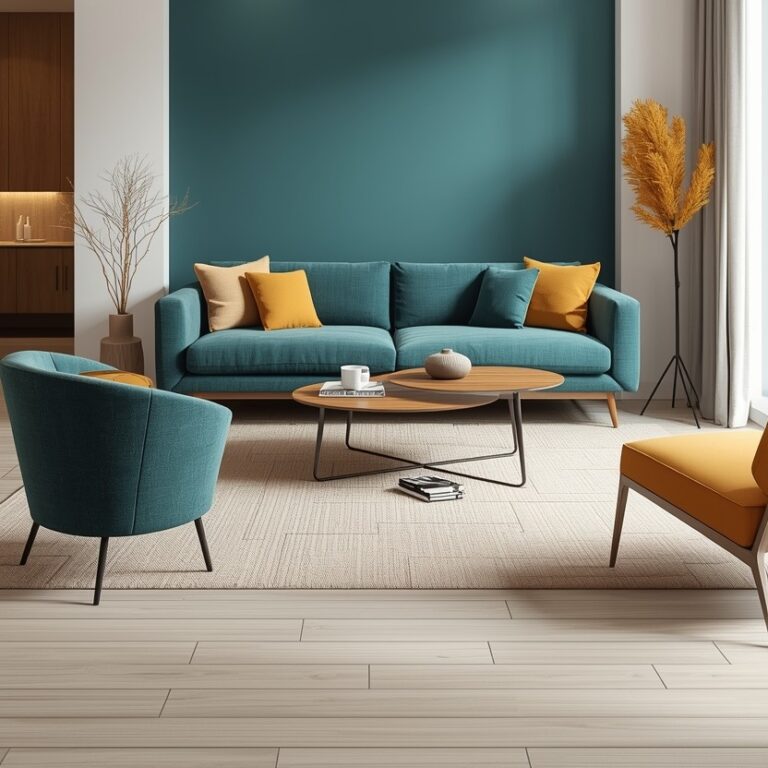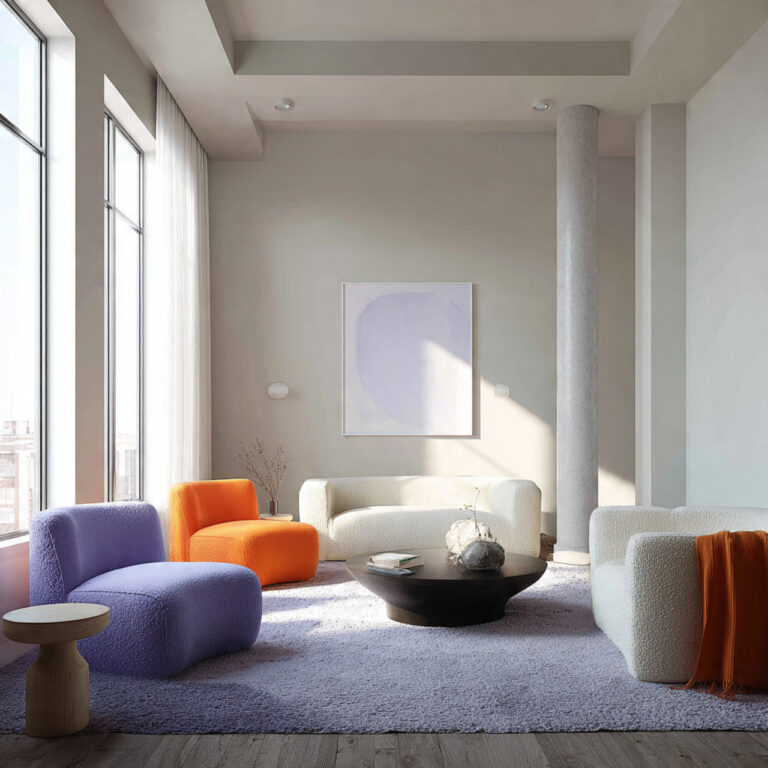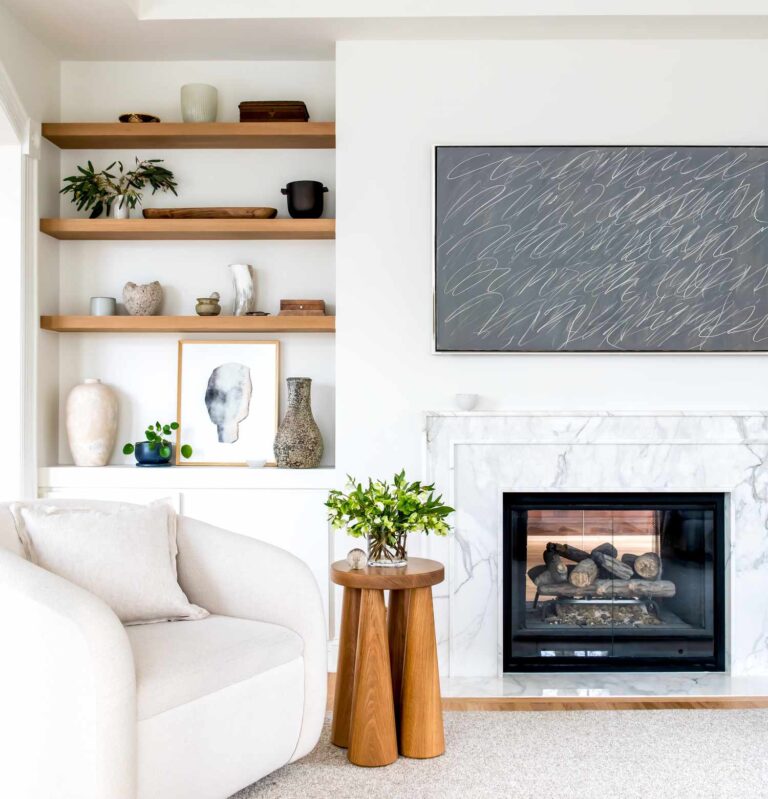
Living in a small living room does not mean you have to sacrifice comfort or style. With a few smart decor choices and lessons learned from real homes, you can make even the tiniest space feel open, calm, and welcoming.
Here are 17 ideas and tips for your living room that’ll make it feel much bigger than it is.
1. Start with Light Reflecting Wall Colours
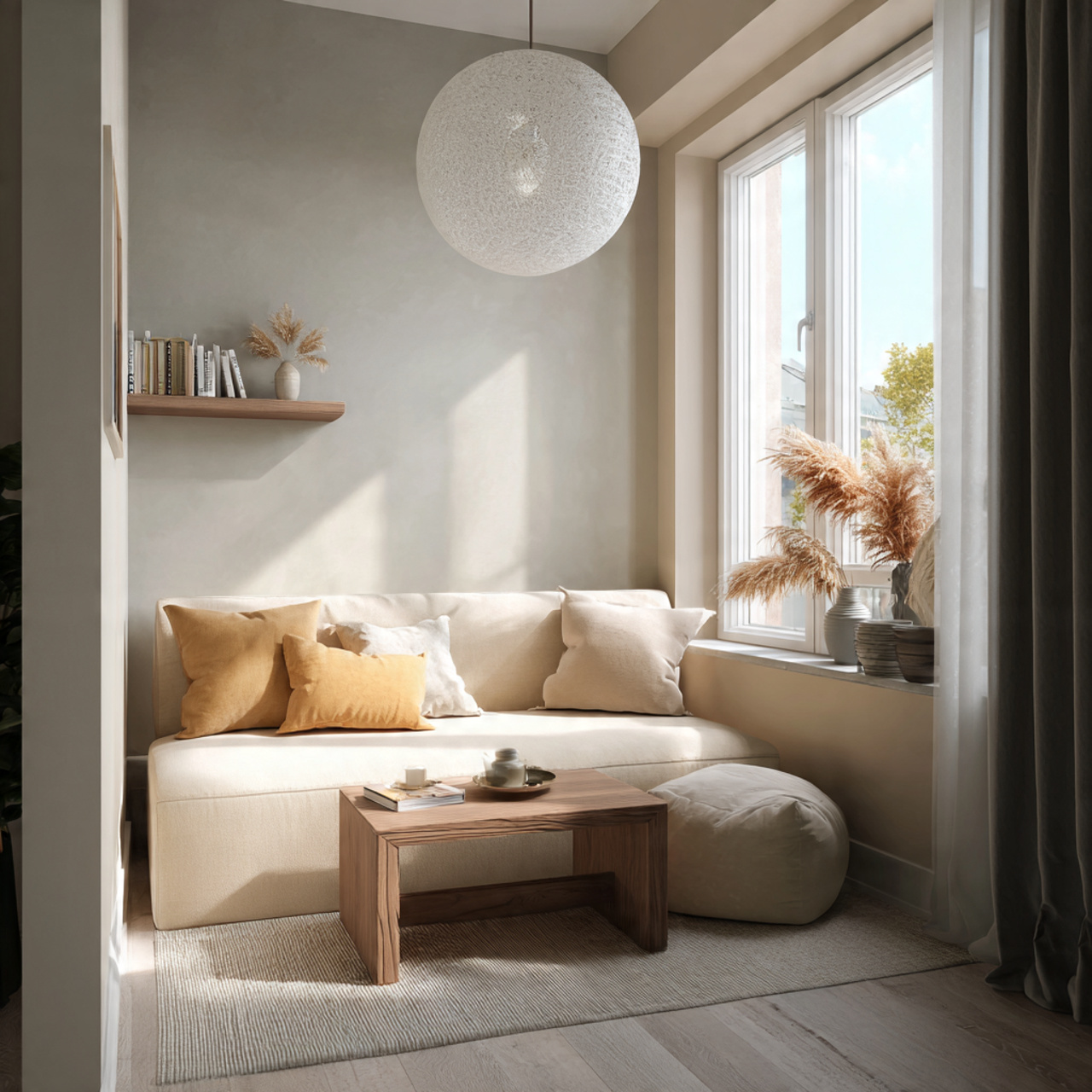
One of the first things I learned when decorating a small living room is that wall colour sets the entire mood. Light reflecting shades help bounce natural and artificial light around the room.
Soft whites, pale greys, and gentle creams make walls feel less enclosing. These colours visually push walls outward, especially when paired with natural light from windows.
Avoid overly bright whites, as they can feel harsh. Instead, choose warmer light tones that feel calm and lived in while still opening up the space.
2. Use One Dominant Colour for Visual Flow
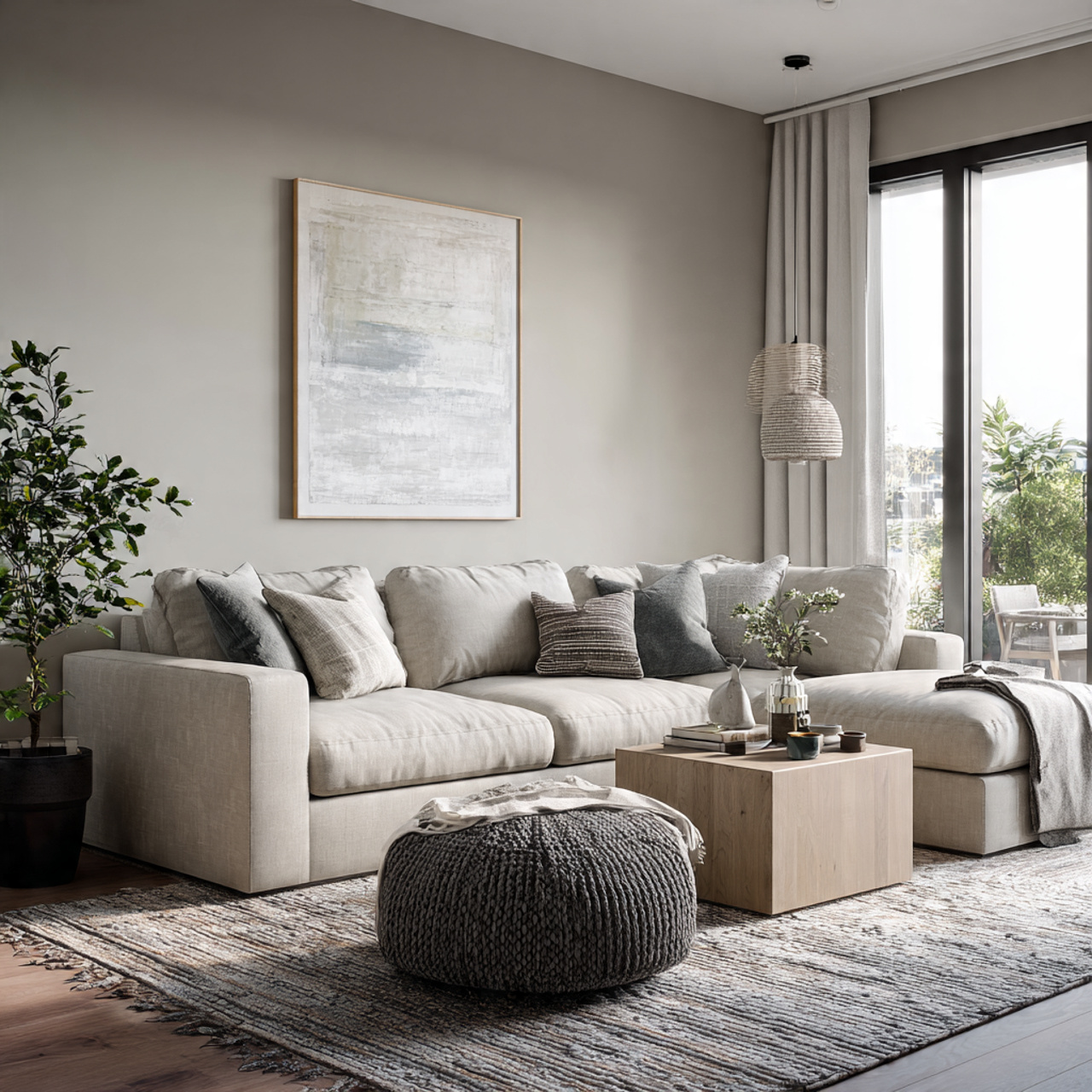
Too many colours can chop up a small room visually. Keeping one main colour helps the space feel more continuous and easier on the eye.
When walls, large furniture, and even rugs share similar tones, the room feels less busy. This creates the illusion of more space without removing personality.
You can still add interest through texture and subtle shade changes, rather than bold colour contrasts that shrink the room visually.
3. Embrace Vertical Lines to Make Walls Feel Taller
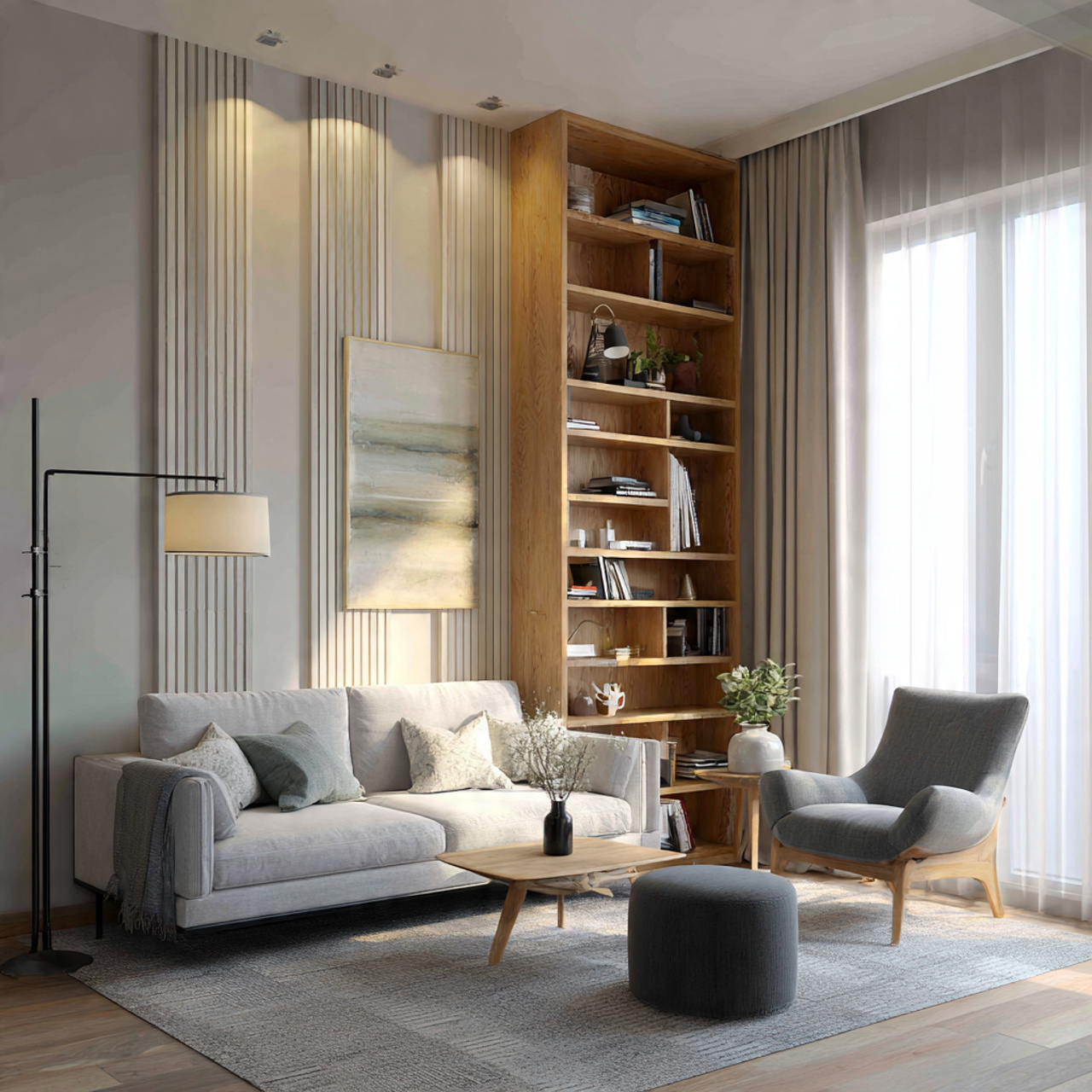
Small living rooms often suffer from low ceilings, even when the ceiling height is normal. Vertical elements help draw the eye upward.
You can introduce vertical lines through wall panels, tall shelving, or striped curtains. Even floor lamps with slim, tall shapes help reinforce this effect.
The key is to keep these vertical features light and uncluttered so they enhance height without overwhelming the room.
4. Choose Furniture with Slim Profiles
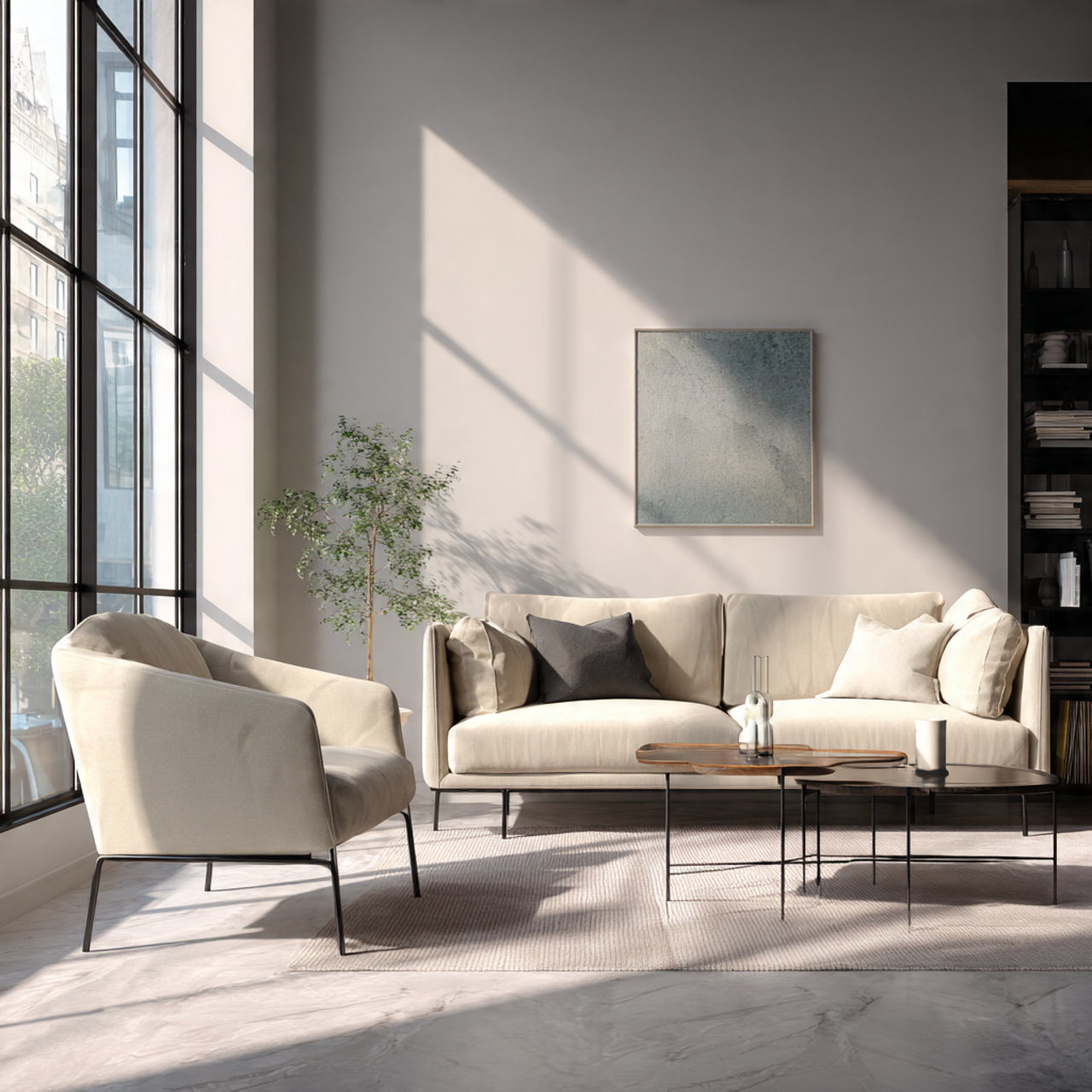
Bulky furniture is one of the biggest mistakes in small spaces. I learned this the hard way after squeezing in a sofa that looked great in-store but felt massive at home.
Look for seating with slim arms, visible legs, and open bases. These details allow more floor to be seen, making the room feel lighter.
Furniture that visually floats rather than sits heavily on the floor instantly makes a space feel less cramped.
5. Float Furniture Away from the Walls
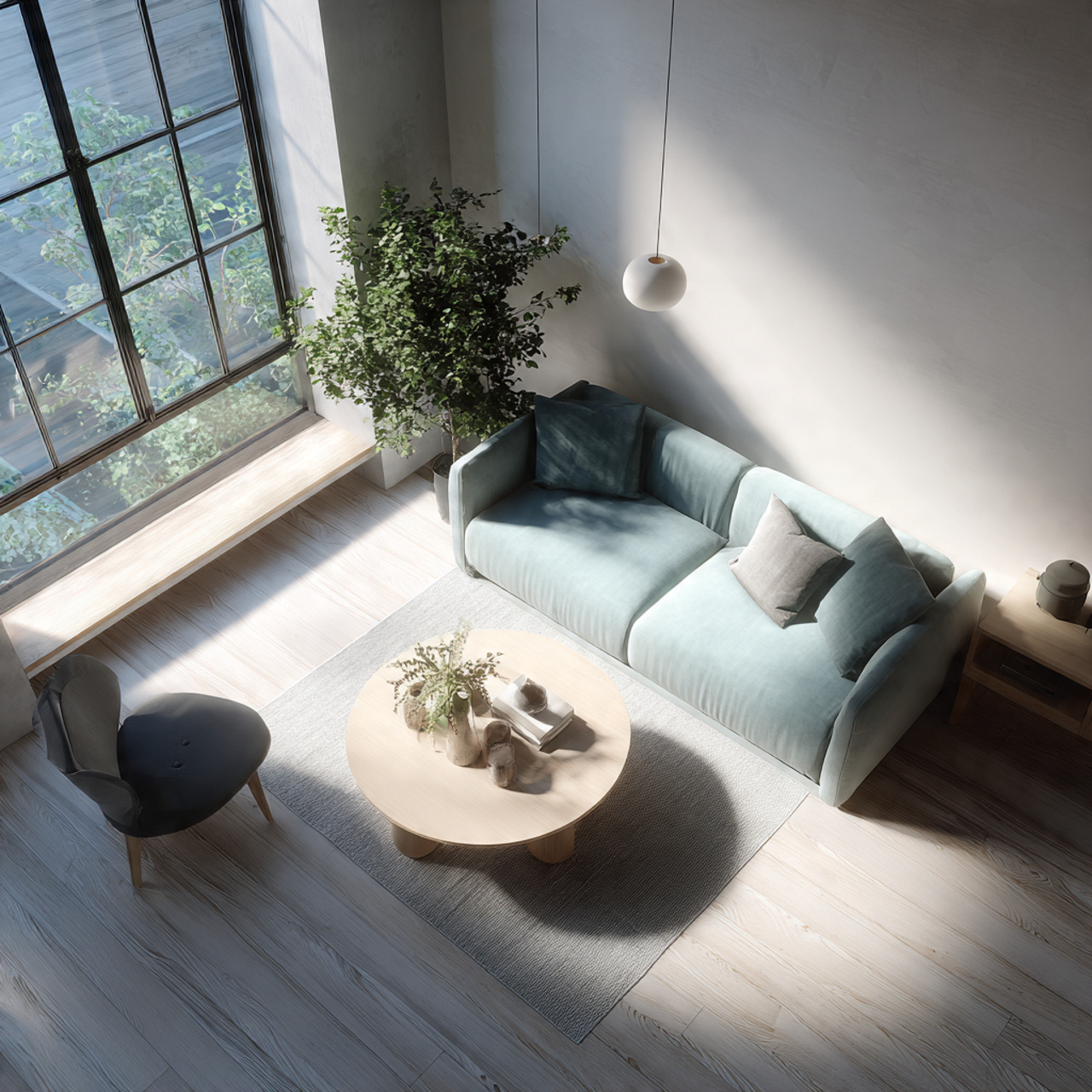
It might feel natural to push everything against the wall, but this can actually make a room feel tighter.
Leaving a small gap between furniture and walls creates breathing space. It allows light and air to move more freely around the room.
Even a few centimeters behind a sofa can soften the layout and make the space feel more intentional and open.
6. Replace Heavy Coffee Tables with Light Alternatives
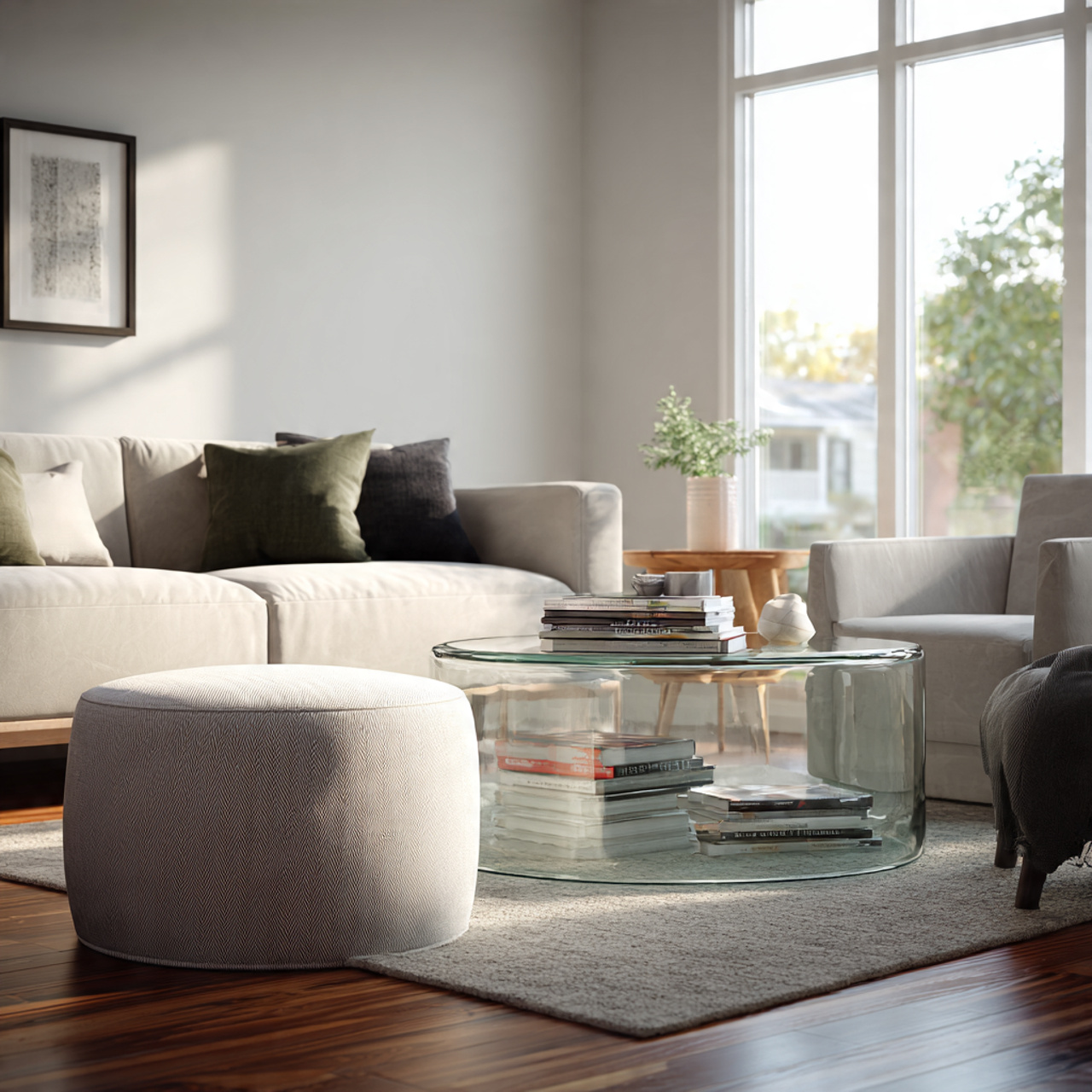
Traditional coffee tables can dominate a small living room. Swapping them for lighter options can make a noticeable difference.
Consider glass tables, nesting tables, or even upholstered ottomans. These pieces feel less visually heavy and offer flexibility.
Lightweight furniture is easier to move around, which helps the room adapt to different needs without feeling crowded.
7. Layer Lighting at Different Heights
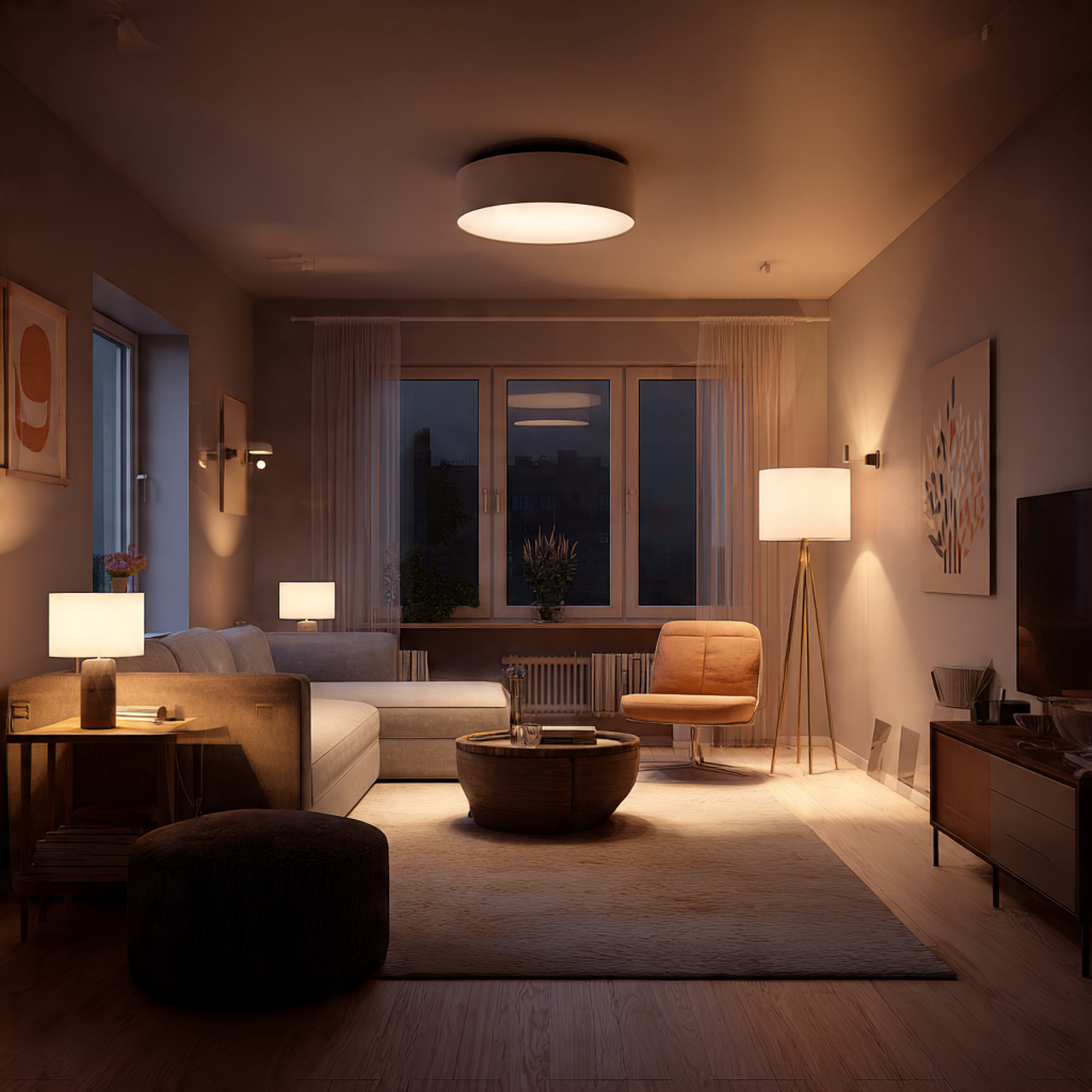
Lighting does more than brighten a room, it shapes how big it feels. Relying on a single ceiling light often creates flat shadows.
Instead, layer lighting at different levels. Floor lamps, table lamps, and wall lights add depth and warmth.
This layered approach creates visual interest and helps define the room, making it feel larger and more inviting.
8. Keep Window Areas Clear and Simple
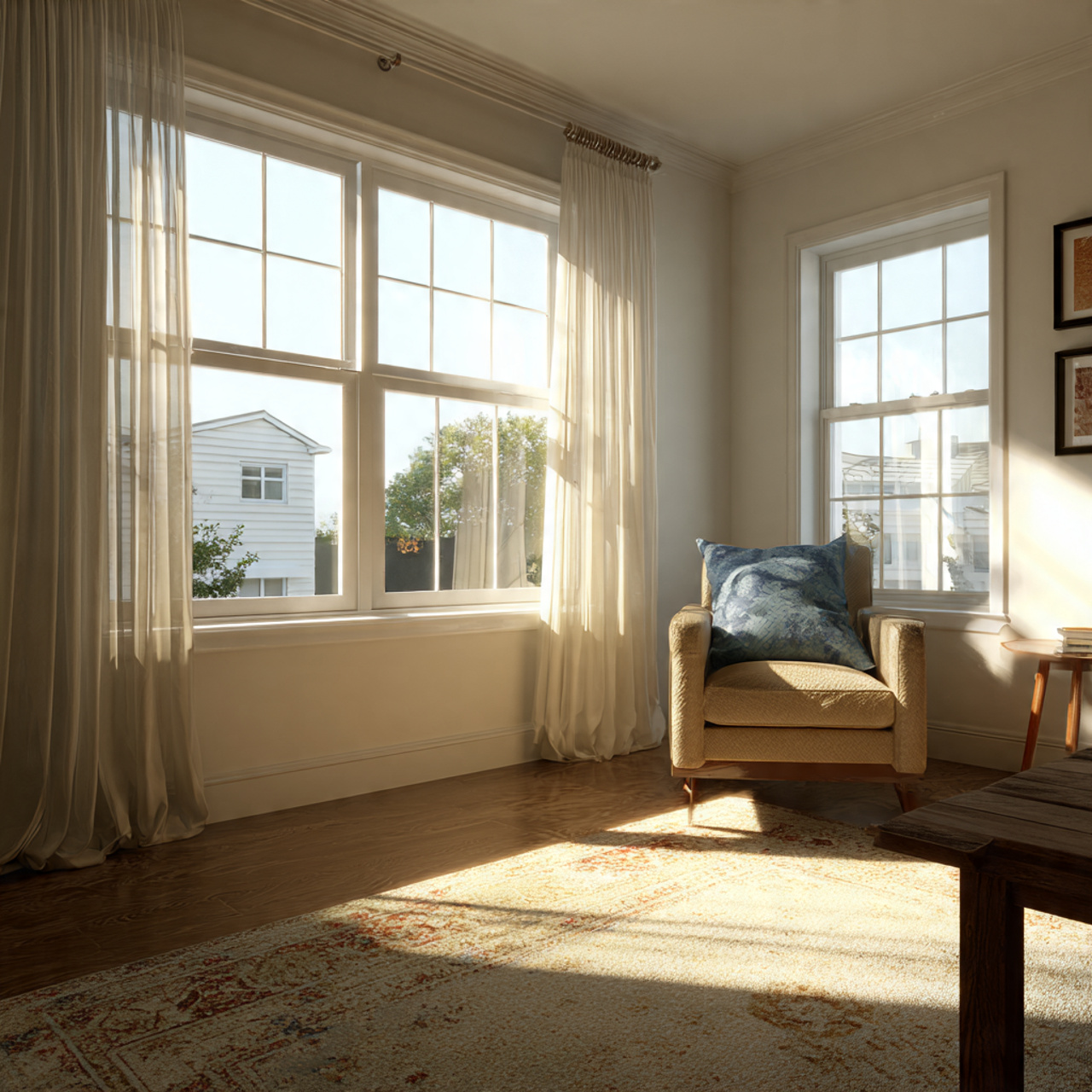
Windows are precious in small living rooms, so treat them like gold. Blocking them with clutter or heavy decor reduces natural light.
Keep window sills mostly clear and choose simple window treatments. Light curtains or blinds that open fully work best.
The more light that enters the room, the bigger and fresher the space will feel throughout the day.
9. Use Mirrors to Bounce Light Around
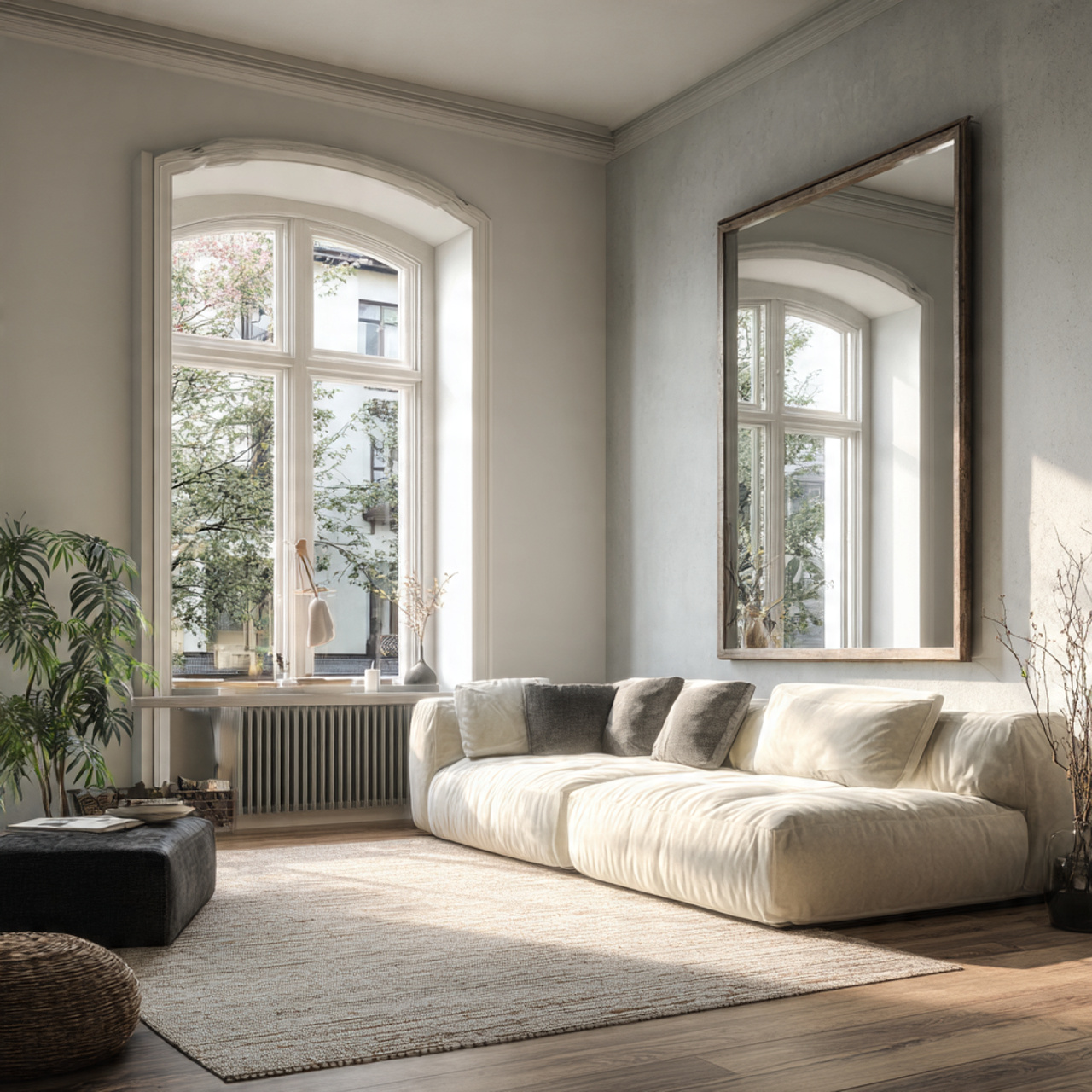
Mirrors are a classic trick, but they work for a reason. When placed thoughtfully, they reflect both light and space.
Position mirrors opposite windows or near light sources to maximize their effect. Larger mirrors tend to work better than small ones.
Rather than treating mirrors as decoration only, think of them as tools that visually double your living room.
10. Think Upwards with Storage Solutions
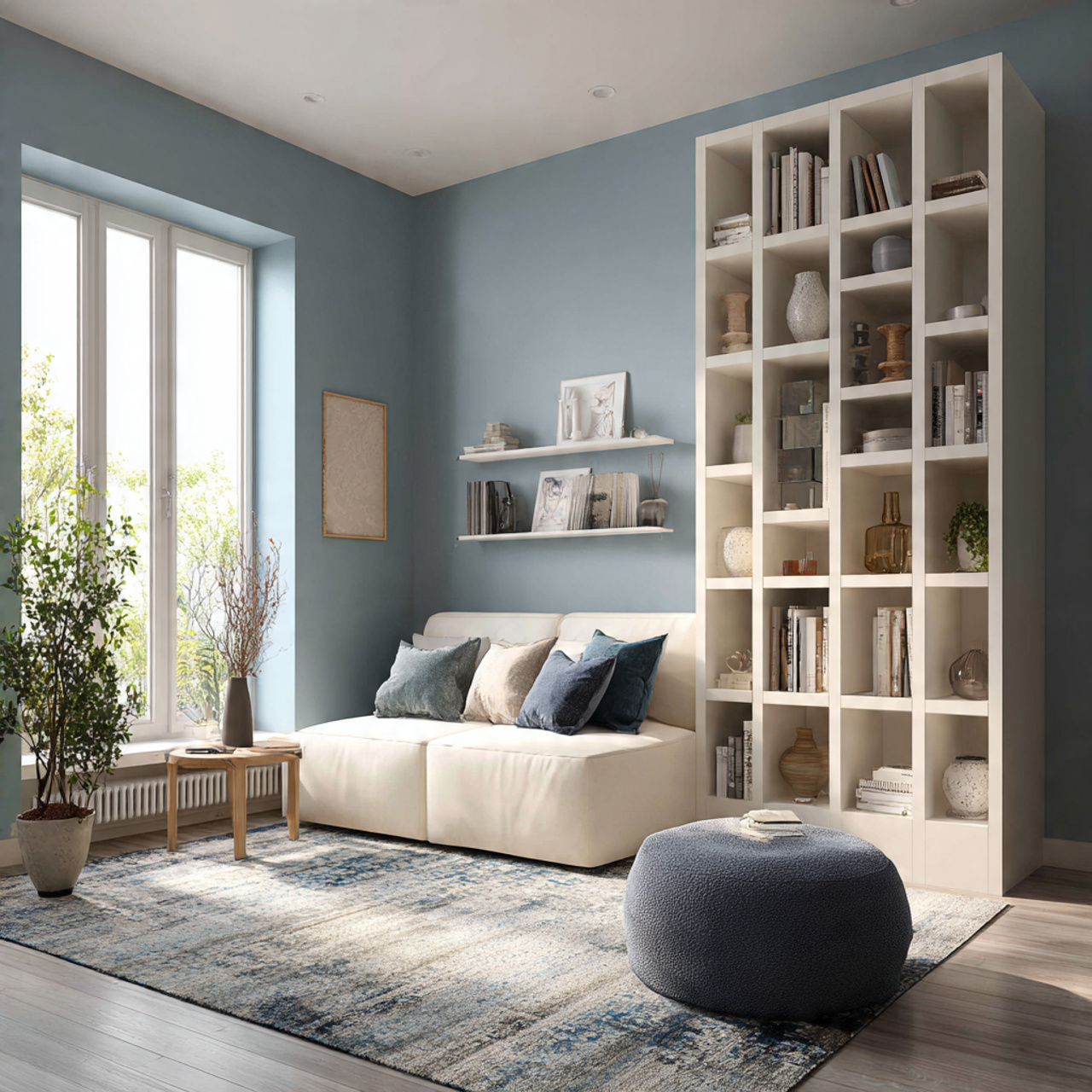
Floor space is limited in small living rooms, but wall space is often underused. Vertical storage helps keep clutter off the floor.
Tall shelving units and floating shelves draw the eye upward while providing practical storage. Keep them well spaced to avoid a heavy look.
Matching shelf colours to your walls helps them blend in, making the room feel taller and less crowded.
11. Hide Clutter with Closed Storage
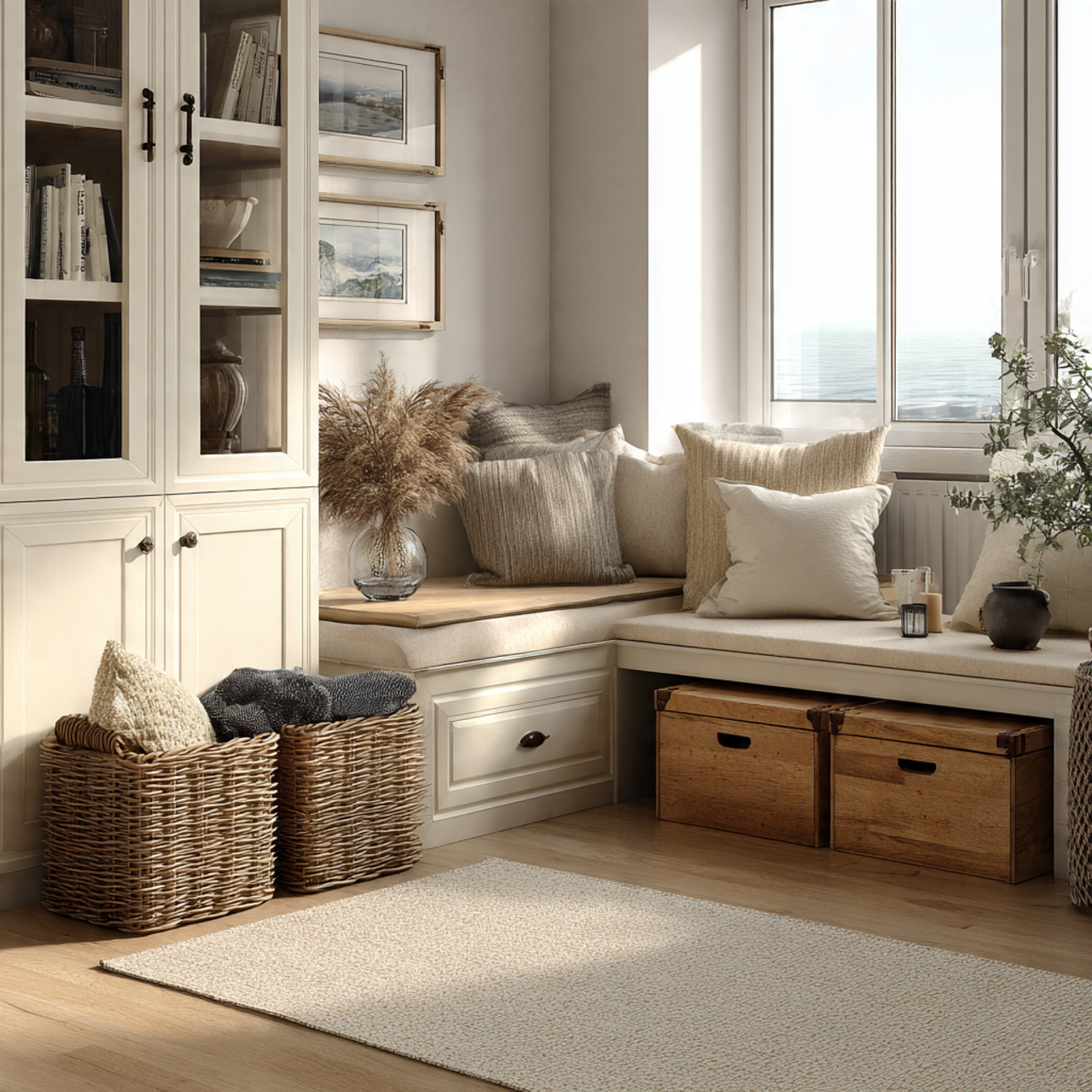
Open storage can look stylish, but it also shows everything. In small rooms, visible clutter quickly makes the space feel chaotic.
Closed storage like cabinets, trunks, or storage benches keeps everyday items out of sight. This creates a calmer visual environment.
A tidy room always feels bigger, even when the actual square footage stays the same.
12. Let Rugs Define Zones, Not Fill the Floor
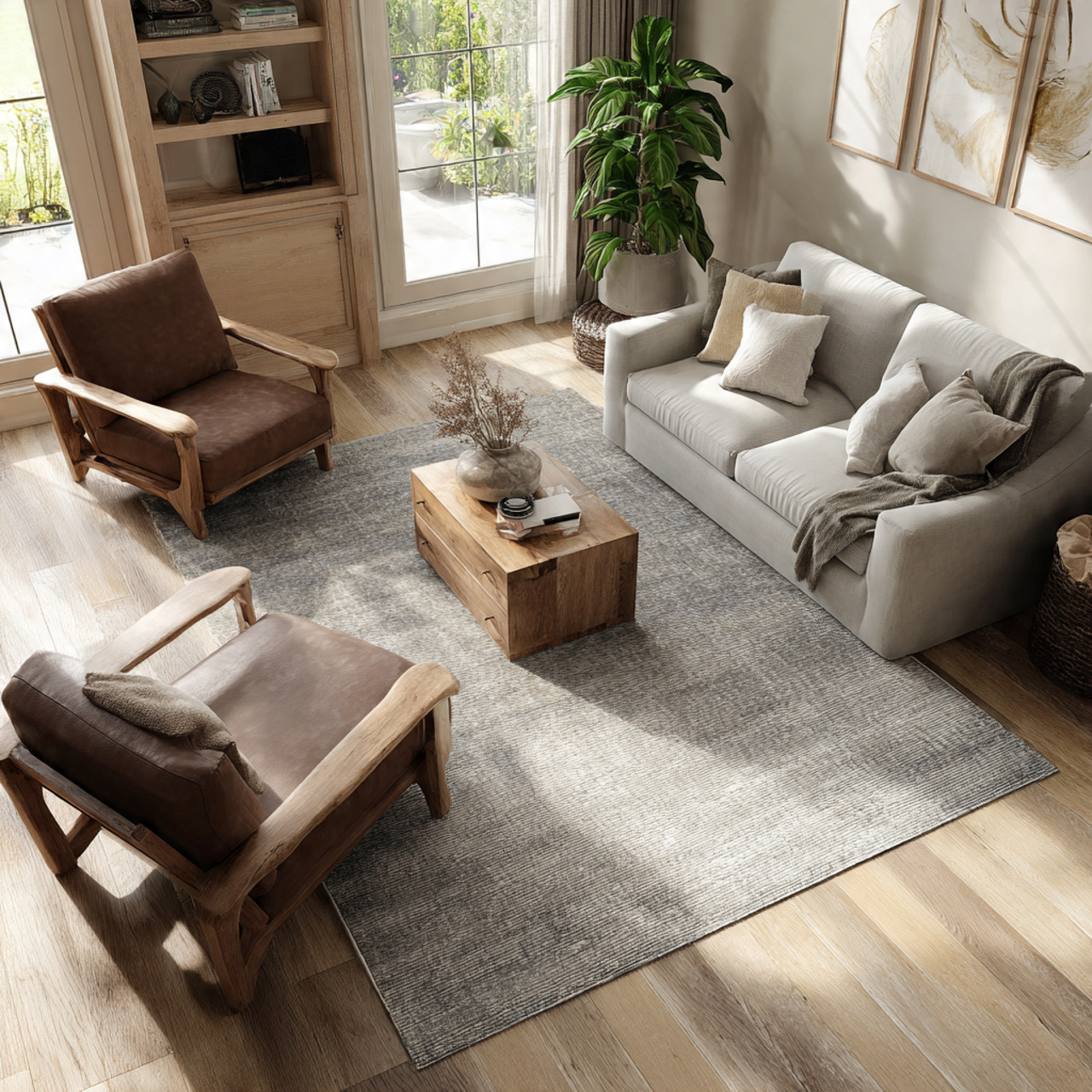
Rugs can make or break a small living room. A rug that is too small can visually shrink the space even more.
Choose a rug that sits under the front legs of furniture to anchor the seating area. This helps define zones without cutting the room in half.
Neutral or lightly patterned rugs work best, adding warmth without overwhelming the floor.
13. Add Texture Instead of Bold Colour
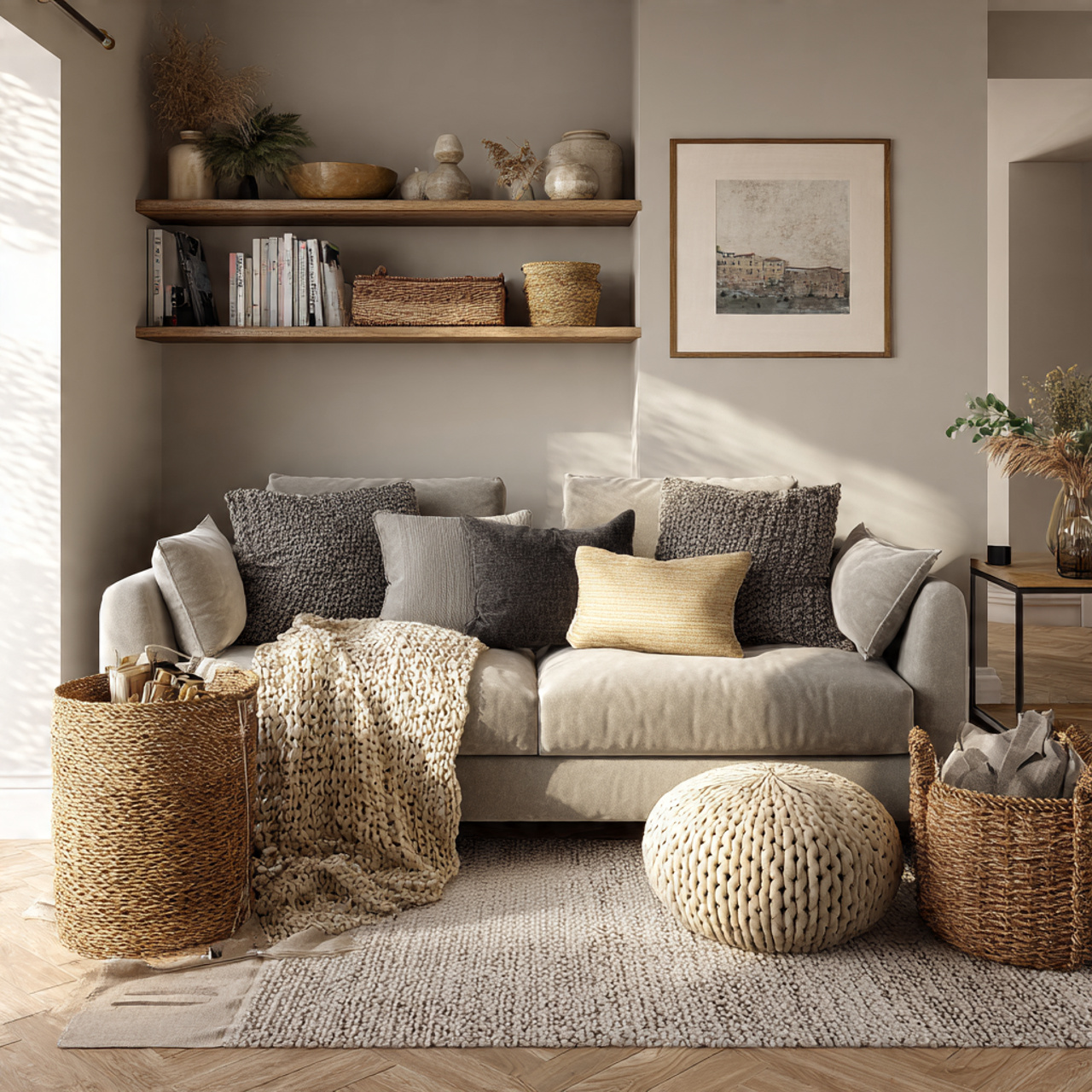
When space is limited, texture is your best friend. It adds depth and interest without making the room feel busy.
Think knitted throws, soft cushions, woven baskets, and textured rugs. These elements make the room feel cosy and layered.
By sticking to a soft colour palette and mixing textures, you get warmth without visual clutter.
14. Create One Strong Focal Point
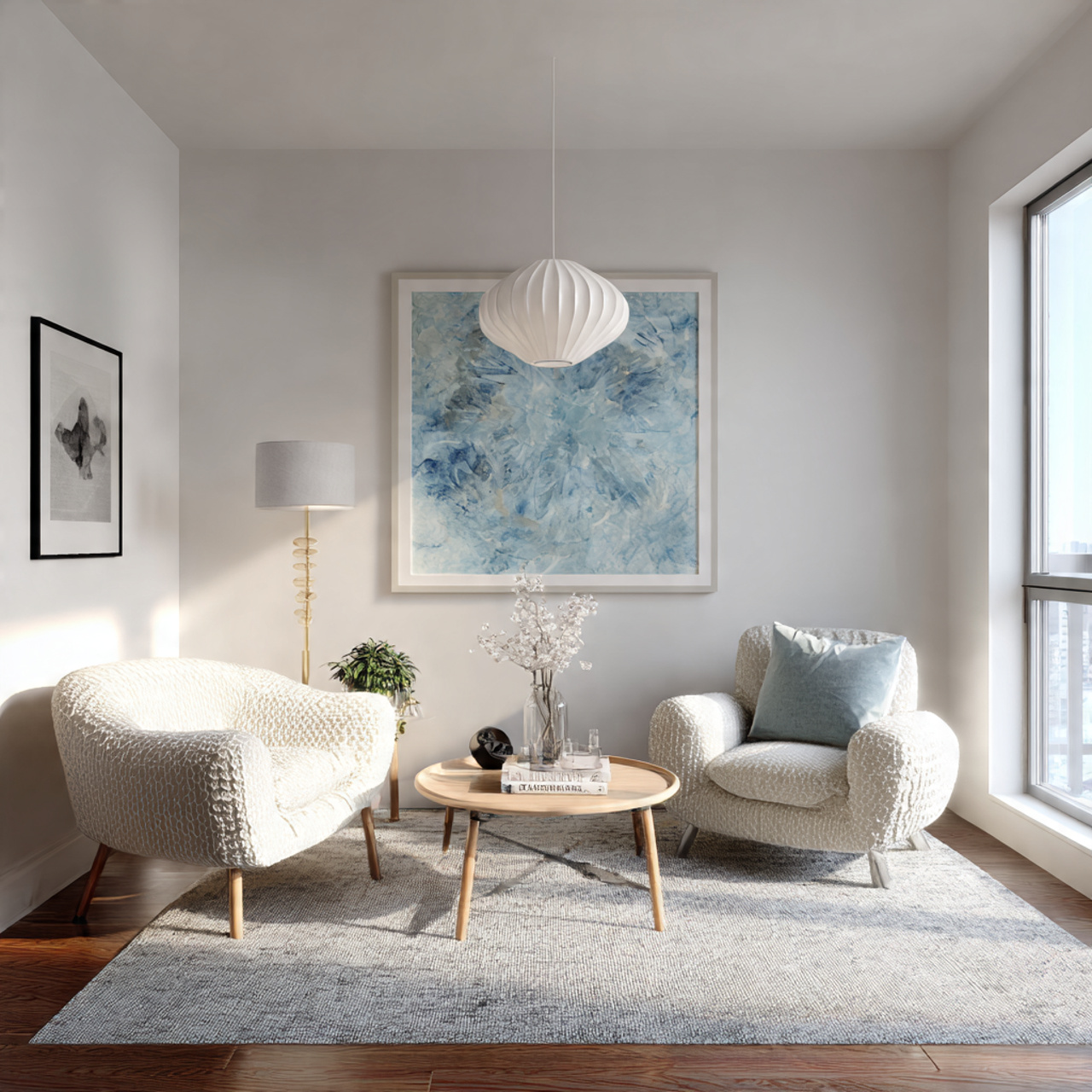
Every room needs somewhere for the eye to land. In small living rooms, one clear focal point helps organize the space visually.
This could be a piece of artwork, a statement lamp, or even a feature wall. Keep the rest of the decor simple.
A strong focal point distracts from the room’s size and makes it feel more intentional and designed.
15. Decorate Corners to Remove Dead Space
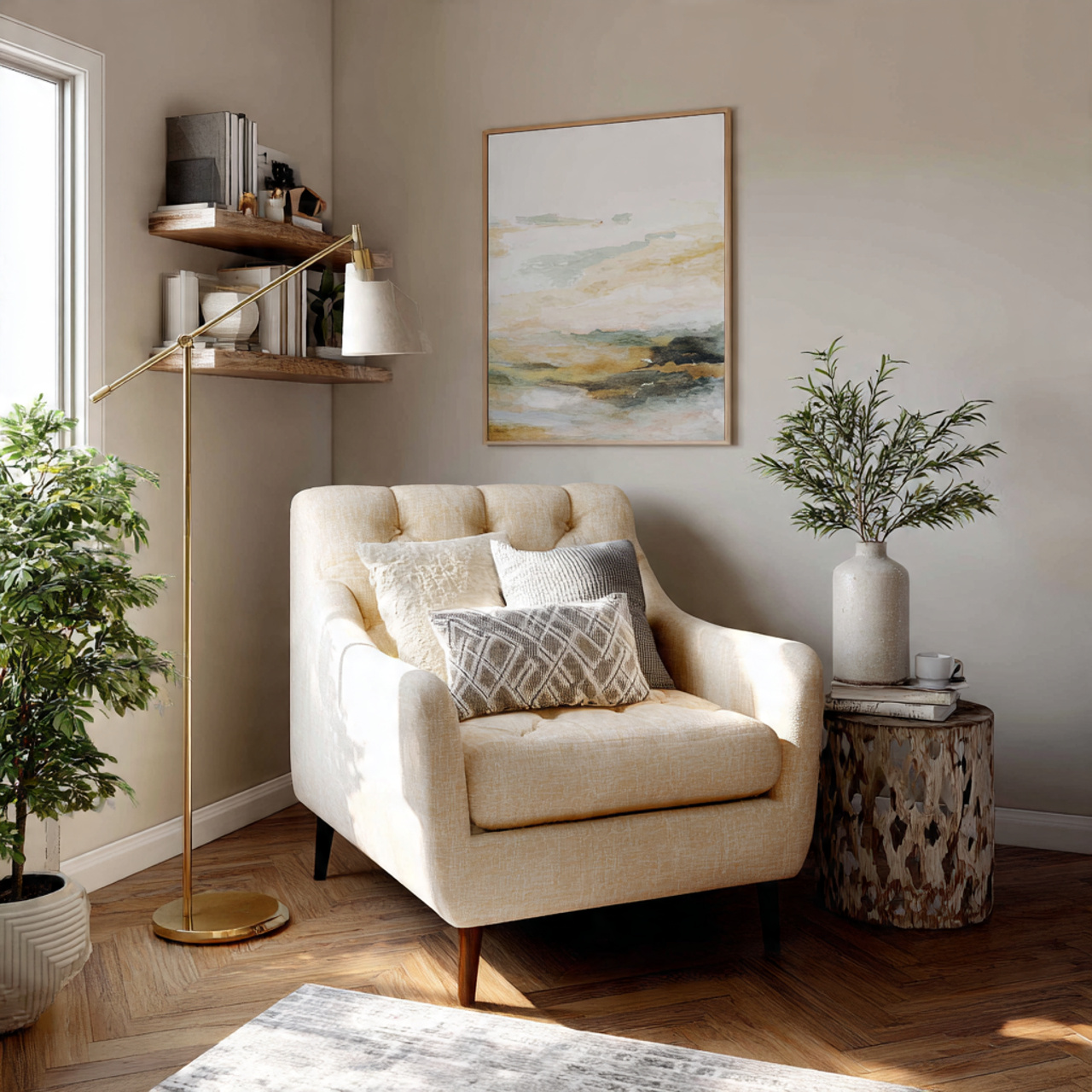
Empty corners can make a room feel unfinished, but overcrowding them creates clutter. The balance matters.
A slim floor lamp, a small plant, or a narrow shelf can bring life to unused corners without taking up much space.
When every corner feels purposeful, the room feels complete and more spacious overall.
16. Arrange Seating for Easy Movement
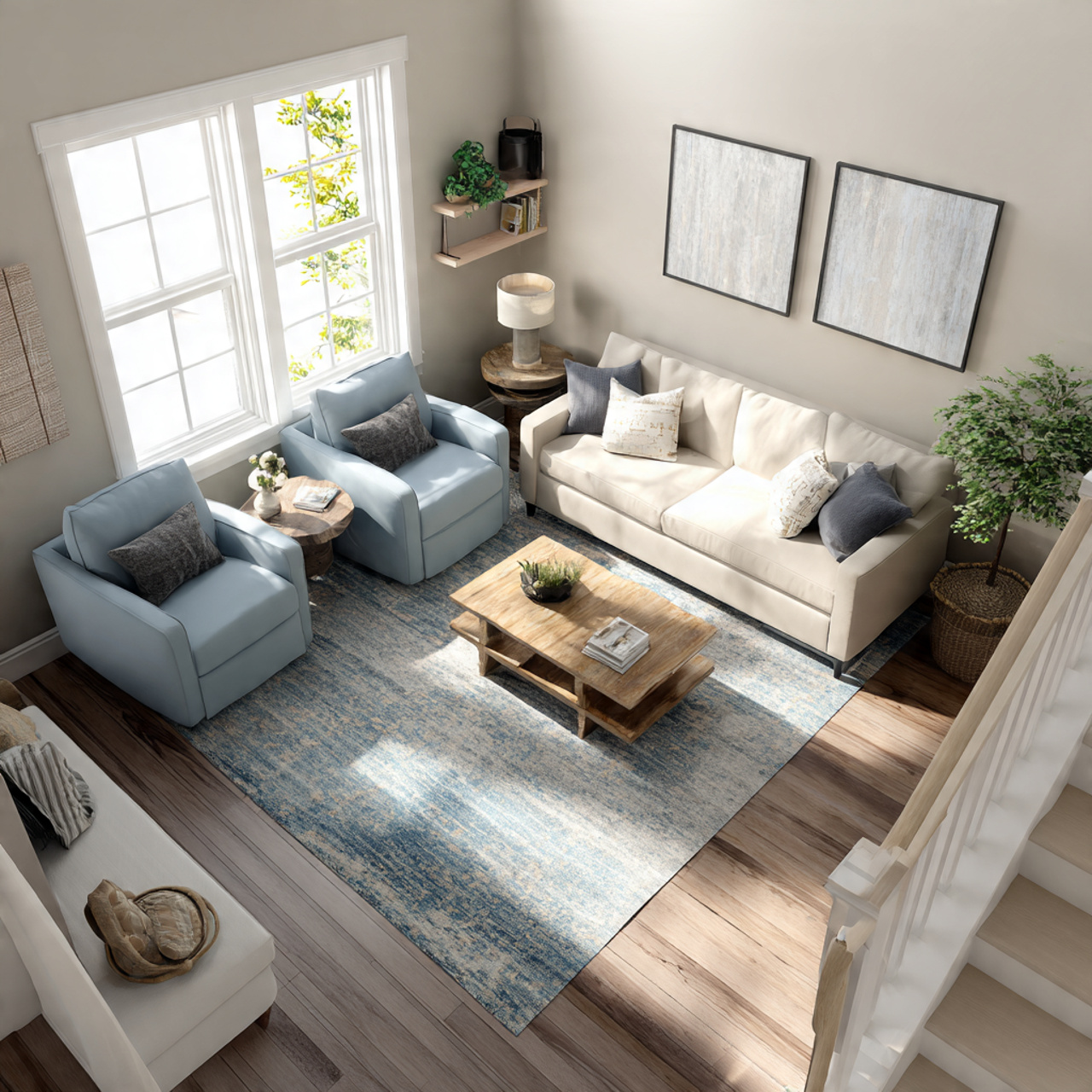
How you place furniture affects how big a room feels when you move through it. Tight pathways make spaces feel smaller.
Arrange seating to allow clear walking routes. Avoid blocking doorways or windows with bulky furniture.
When movement feels natural and easy, the room automatically feels more open and comfortable.
17. Edit Regularly and Decorate with Intention
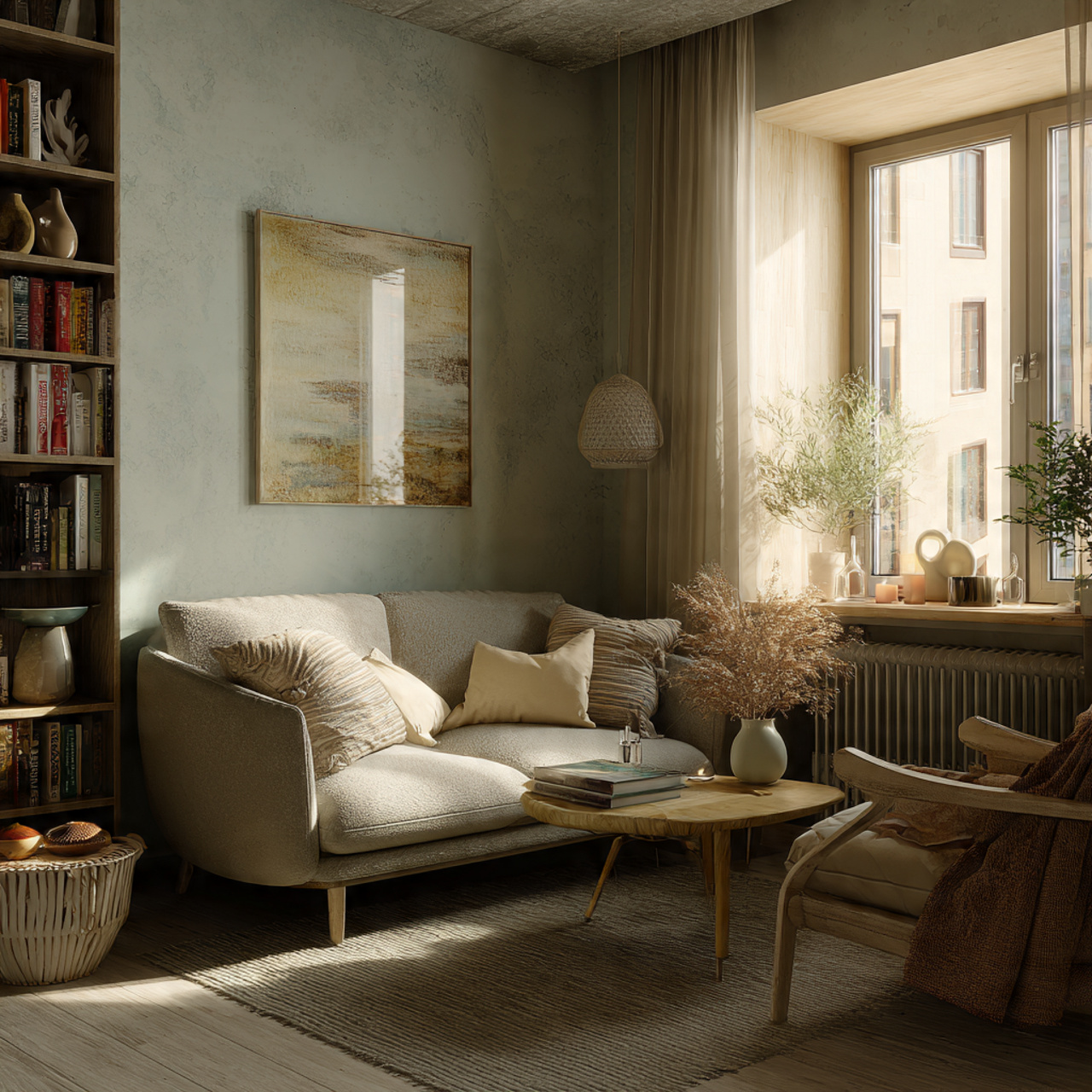
The final lesson I learned is that small living rooms need regular editing. What works one season might feel crowded the next.
Be selective with decor and keep only what adds comfort or meaning. Space is just as important as objects.
When every item has a purpose, your small living room will feel bigger, calmer, and far more enjoyable to live in.
Final Thoughts
Small living rooms can be just as stylish and comfortable as large ones, sometimes even more so. With thoughtful choices, smart layouts, and a little creativity, you can transform your compact space into a room that feels open, warm, and truly inviting.