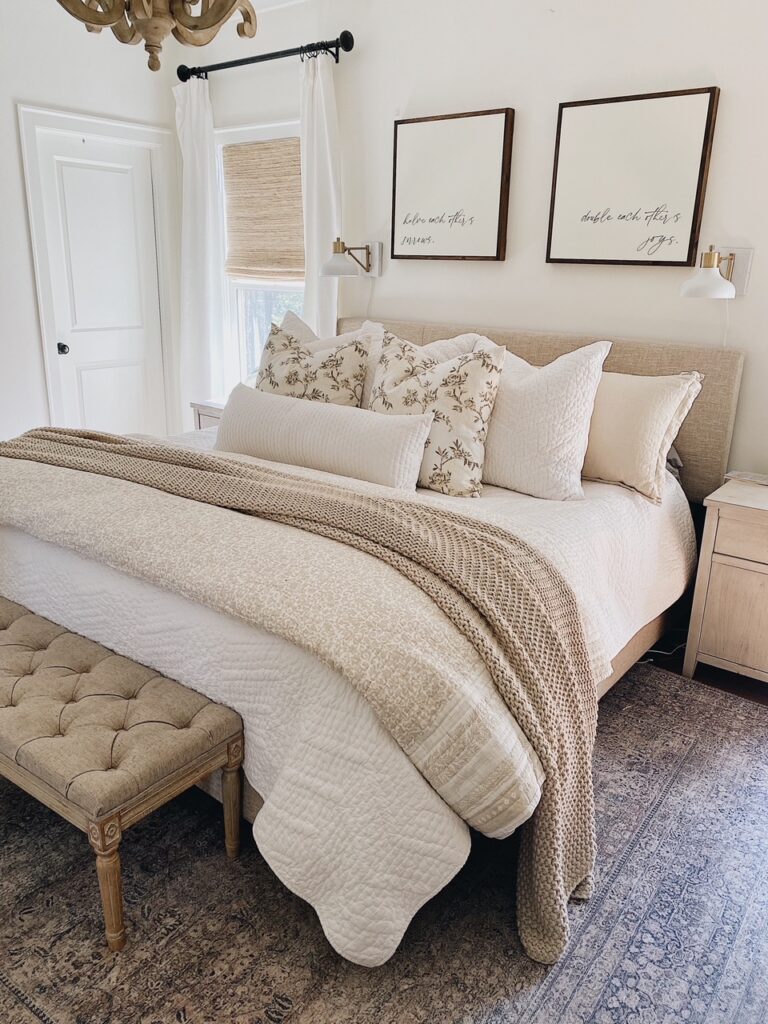
Decorating a small bedroom can feel limiting at first, but with the right choices, it can become one of the most comfortable and stylish spaces in your home.
I have lived in a few small bedrooms myself, and I learned that smart decor decisions truly change how spacious a room feels and course you’re not going to move walls to make this happen.
1. Light Neutral Color Palette That Visually Opens the Room
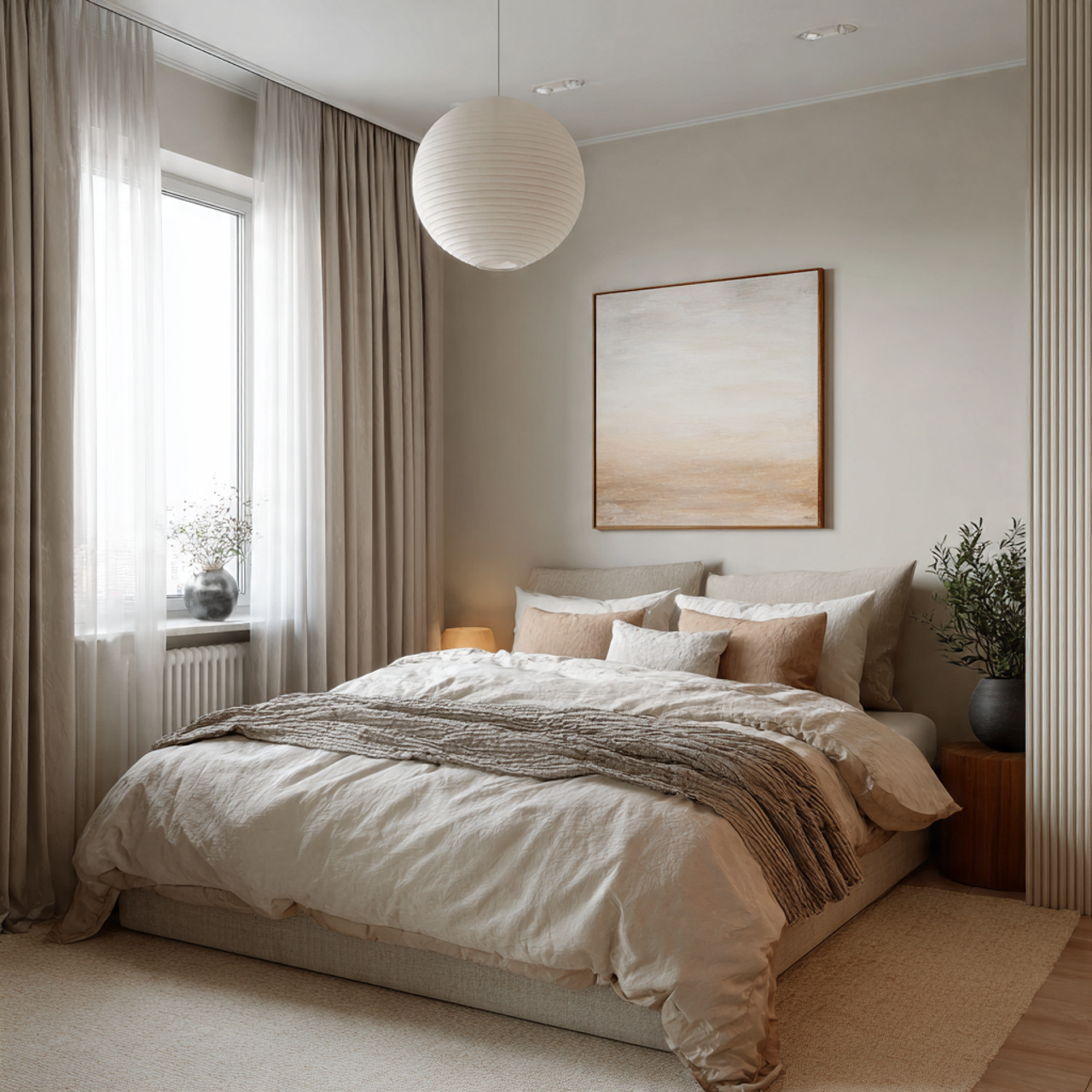
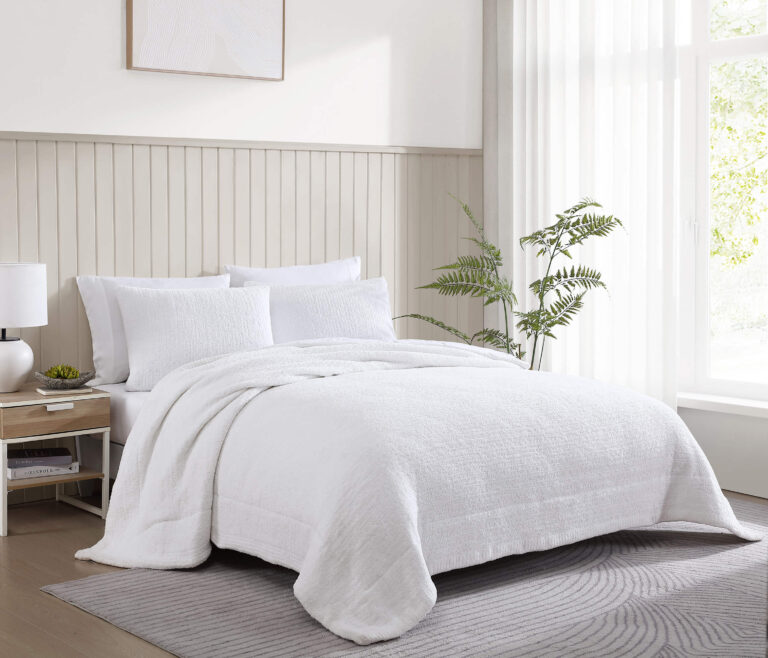
Light colors are one of the easiest ways to make a small bedroom feel bigger. Soft whites, warm creams, pale greys, and gentle beige tones reflect light instead of absorbing it. This helps the room feel open and breathable.
I have found that neutral walls also make it easier to change decor later. You can switch bedding, pillows, or wall art without repainting. The space always feels calm and balanced, even when furniture stays the same.
Why light neutrals work well:
- They reflect natural and artificial light
- They reduce visual clutter
- They create a clean and peaceful atmosphere
2. Low-Profile Bed That Keeps the Room Feeling Airy
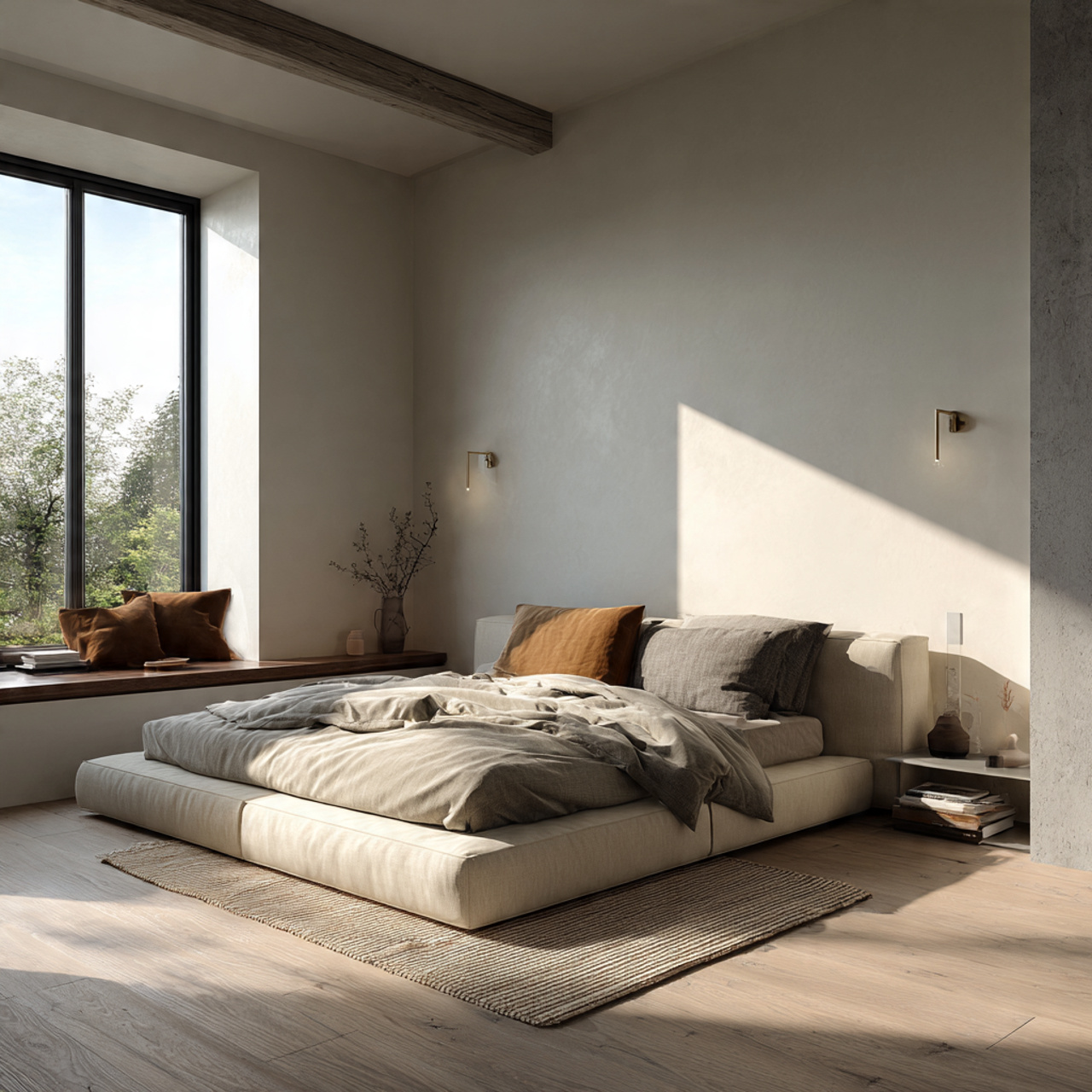
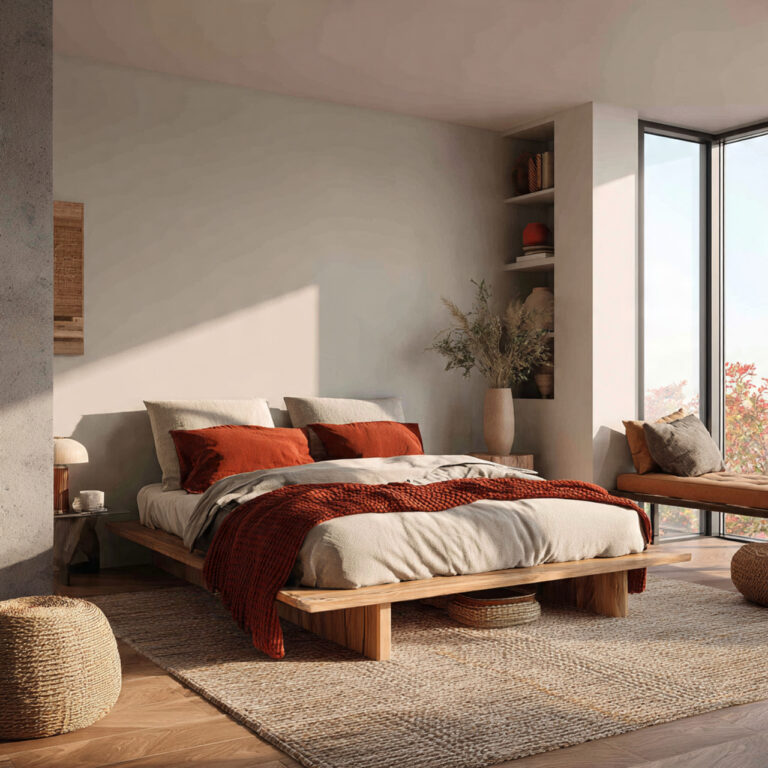
A low-profile bed instantly creates more visual space above it. When the bed sits closer to the floor, the ceiling feels higher, and the room feels less cramped. This is especially helpful in rooms with low ceilings.
From experience, choosing a simple bed frame without heavy headboards makes a big difference. Upholstered or platform beds with clean lines help the bedroom feel modern, relaxed, and spacious without sacrificing comfort.
3. Floating Nightstands for a Cleaner, Uncluttered Look
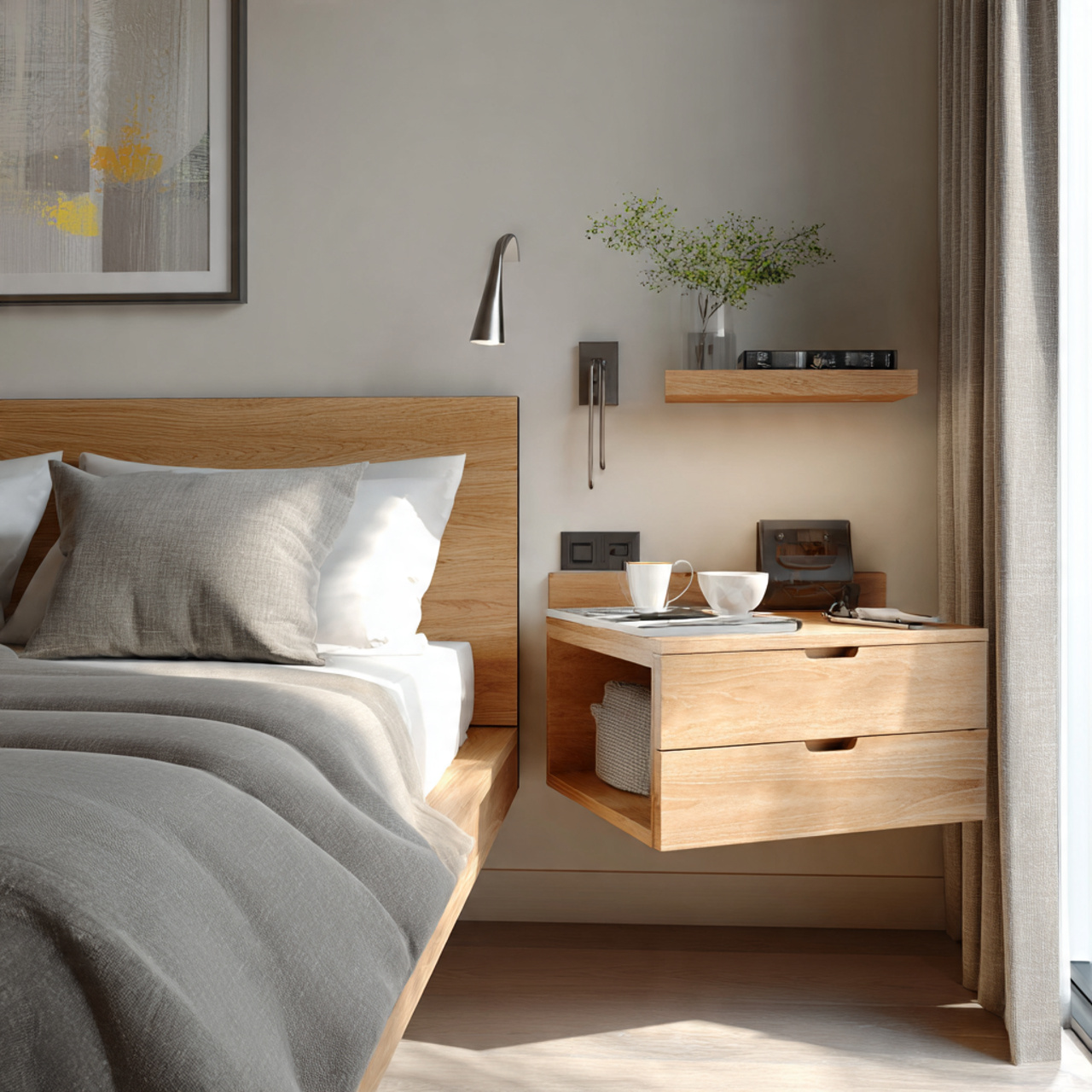
Floating nightstands are a game changer for small bedrooms. By lifting storage off the floor, you allow the room to breathe visually. The floor stays visible, which creates the illusion of extra space.
I like floating nightstands because they feel lighter than traditional ones. They still hold essentials like a lamp or book, but they avoid bulky legs and extra drawers that make a room feel crowded.
4. Mirrors Positioned to Reflect Light and Depth
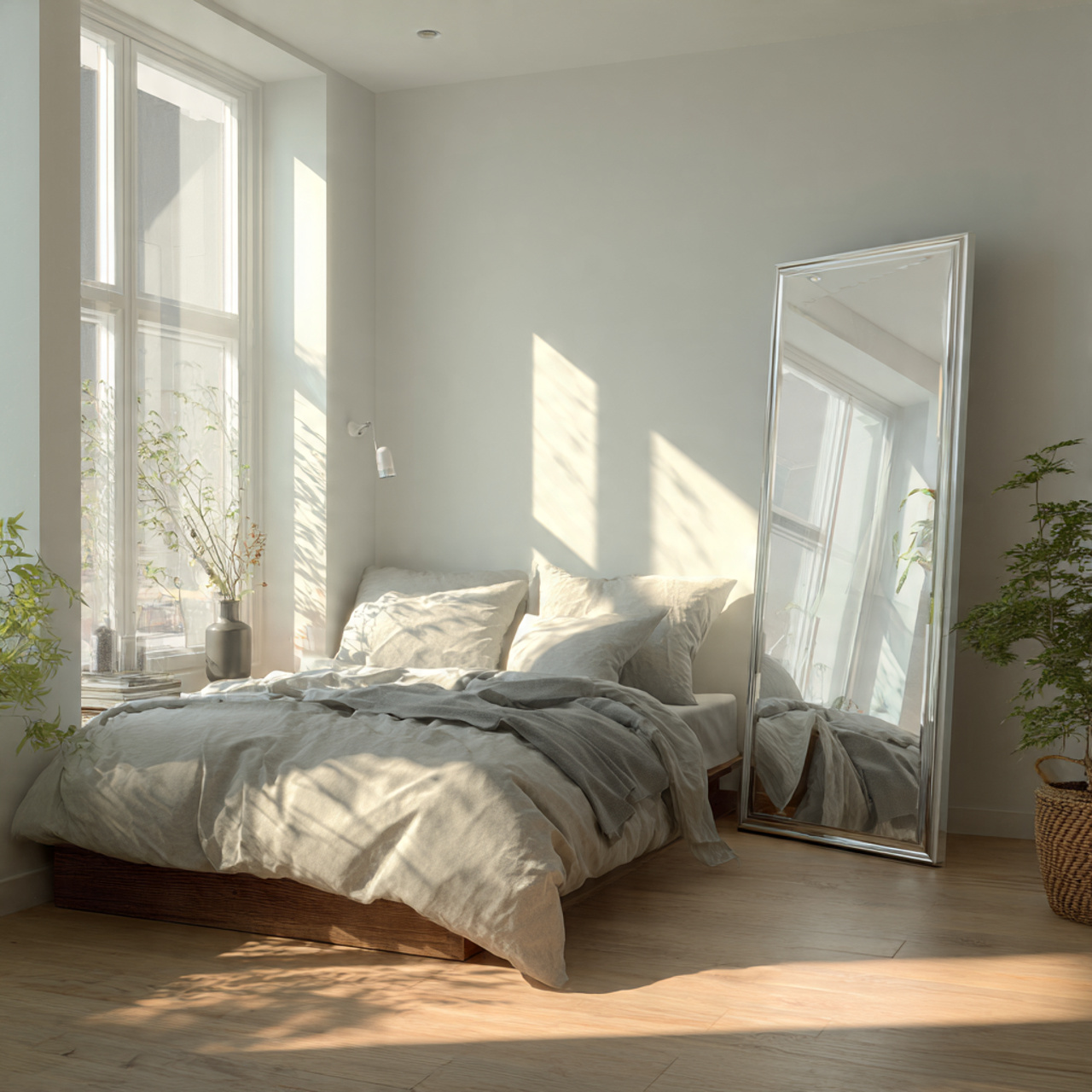
Mirrors are one of the most powerful tools for maximizing space. When placed correctly, they reflect both light and depth, making a small bedroom feel wider and brighter.
I usually recommend placing mirrors across from windows or beside the bed. Even a simple full-length mirror leaned against the wall can visually double the room.
Smart mirror placement ideas:
- Across from a window
- Behind a bedside lamp
- On closet or wardrobe doors
5. Vertical Wall Storage That Draws the Eye Upward
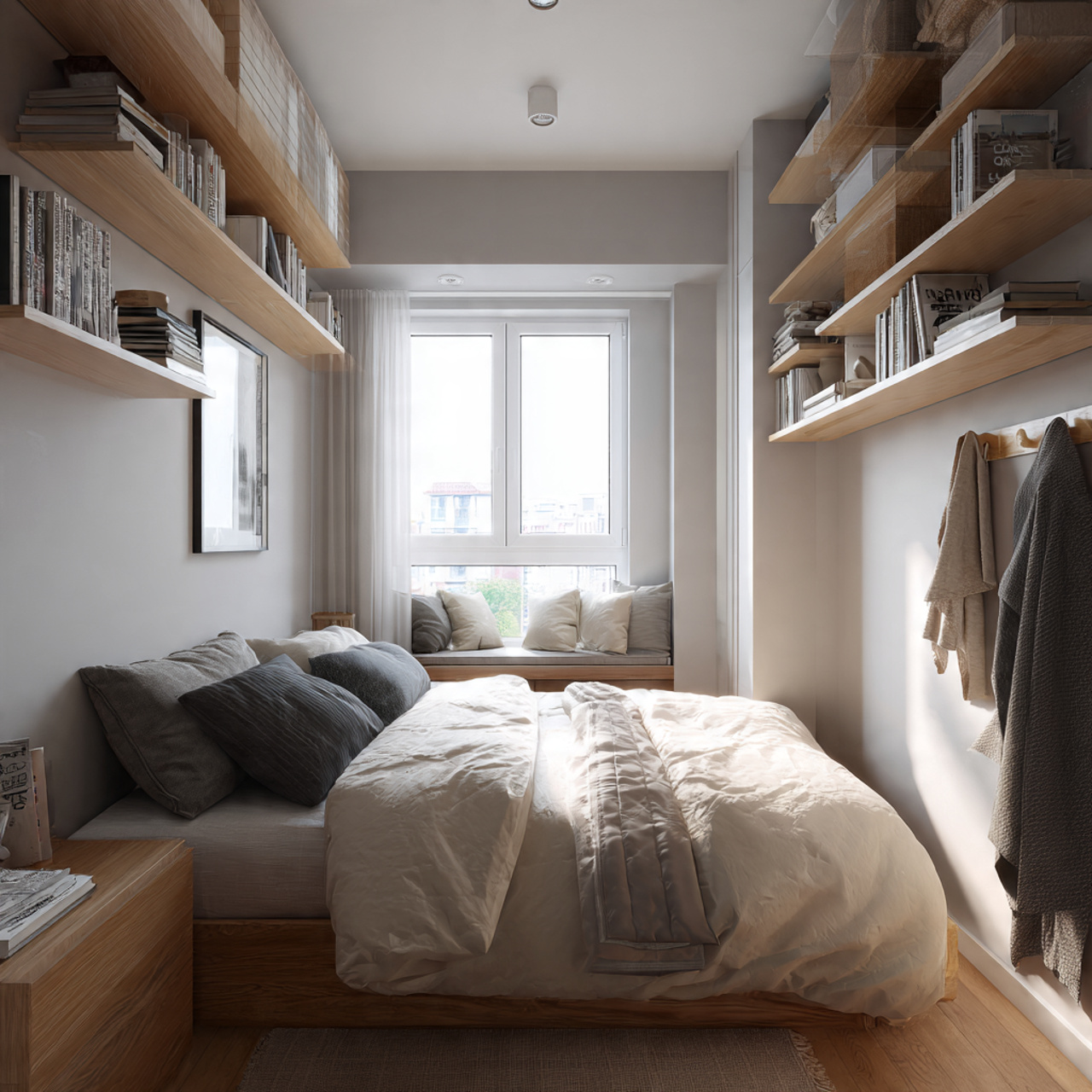
When floor space is limited, walls become your best friend. Vertical storage helps you store items without eating into valuable walking space. Tall shelves naturally draw the eye upward, making ceilings feel higher.
In my own small bedroom, adding narrow wall shelves above the bed freed up floor space instantly. It kept essentials nearby while maintaining a clean and organized look.
6. Built-In Storage Around the Bed Frame
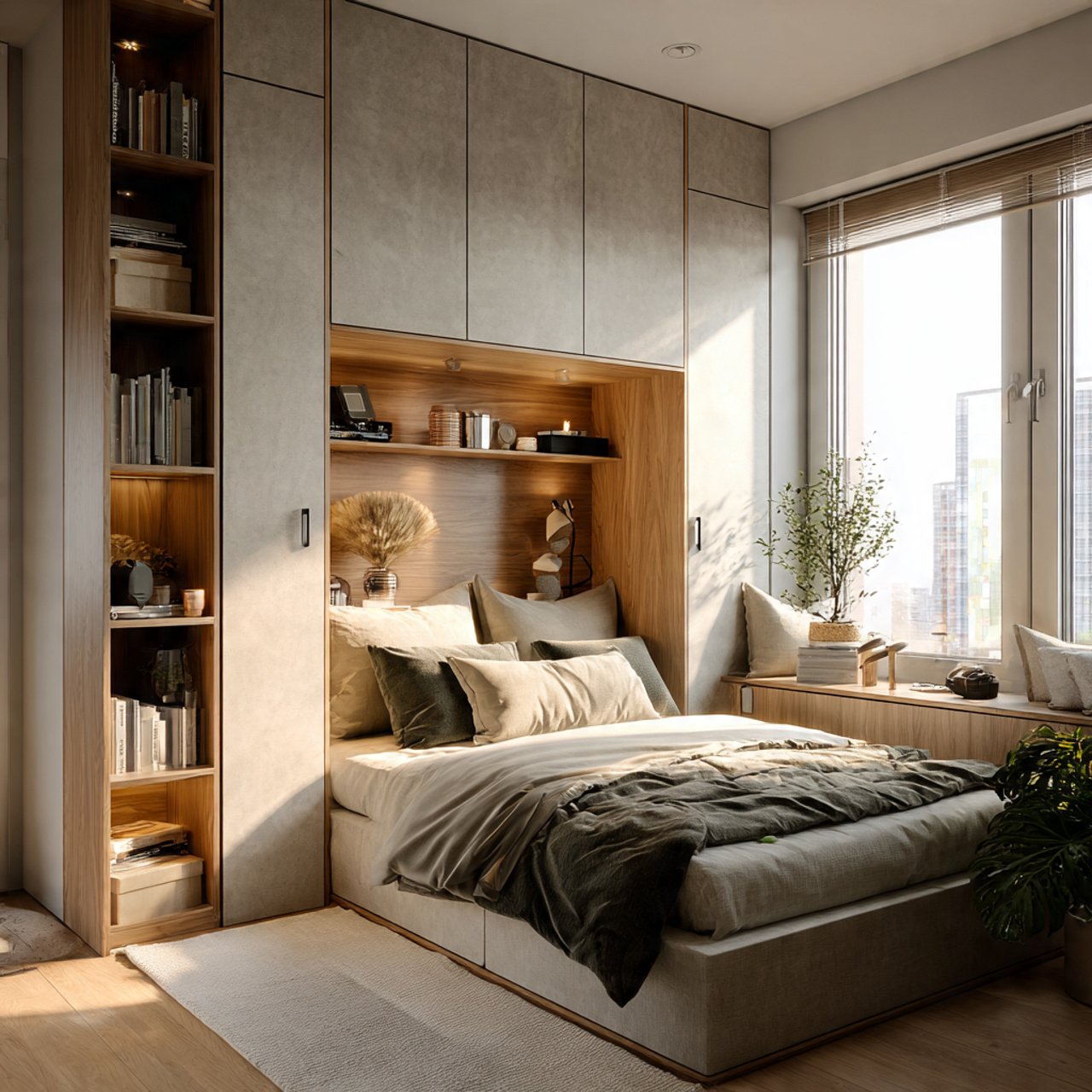
Built-in storage creates a seamless and efficient layout. Storage beds, wall units, or custom shelving around the bed help you use every inch wisely without adding clutter.
This approach works especially well in very small bedrooms where wardrobes take up too much room. Everything feels intentional and tucked away, which helps the space stay calm and tidy.
7. Minimal Window Treatments That Let Light Flow
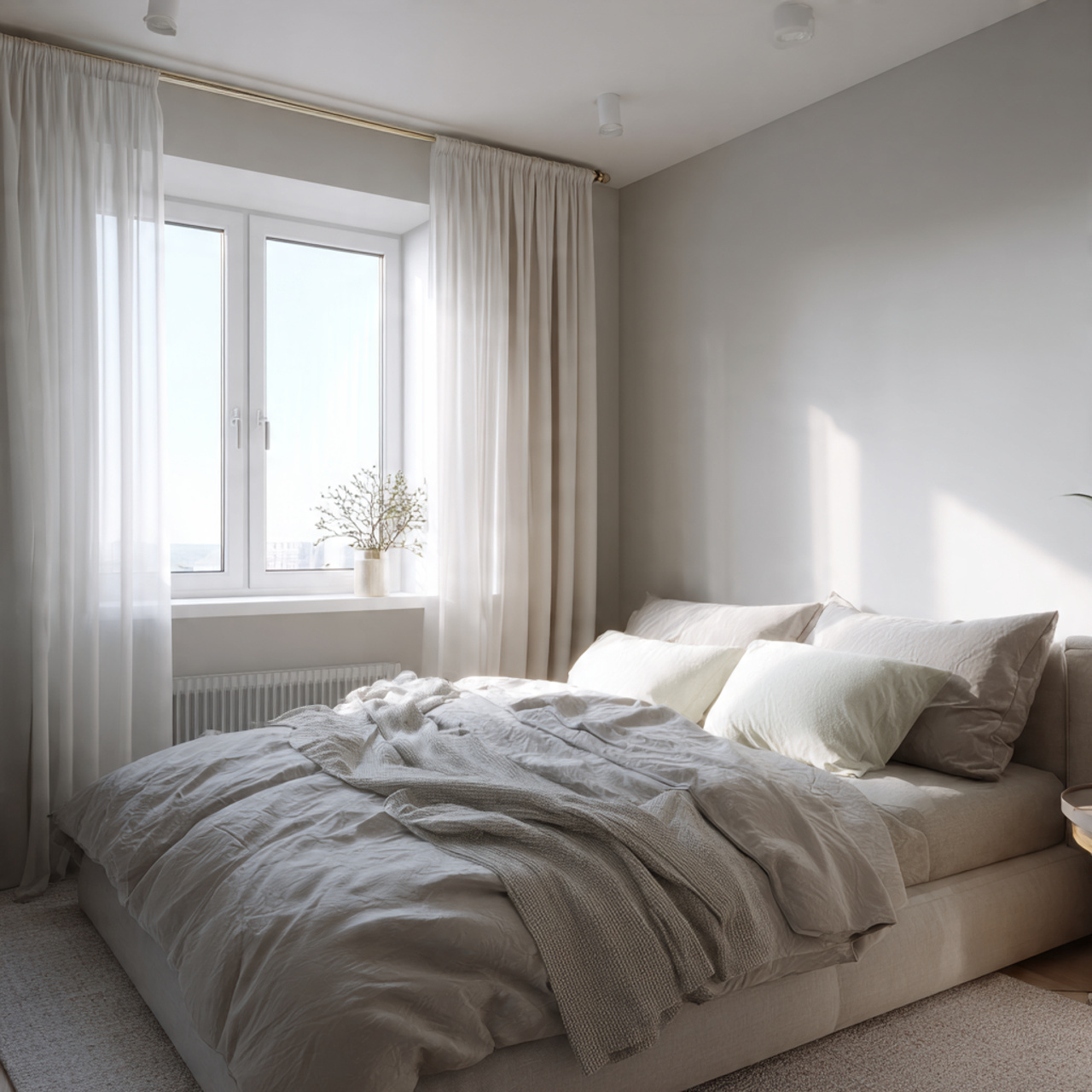
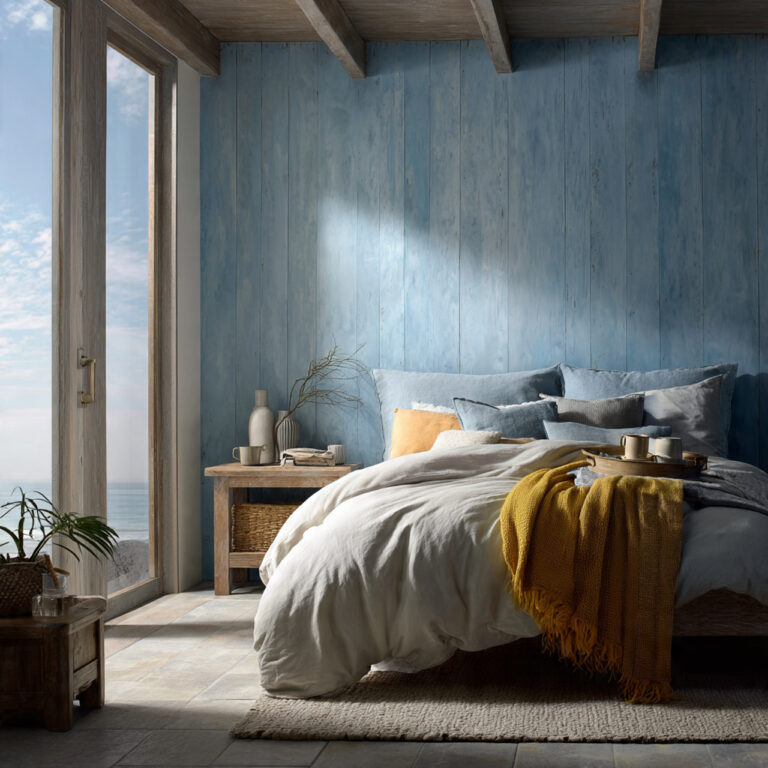
Heavy curtains can overwhelm a small bedroom quickly. Instead, light window treatments allow natural light to flow freely, which helps the room feel more open and fresh.
I usually suggest sheer curtains, light linen panels, or simple roller blinds. These options give privacy while still letting sunlight brighten the space throughout the day.
8. Soft Layered Bedding Without Visual Bulk
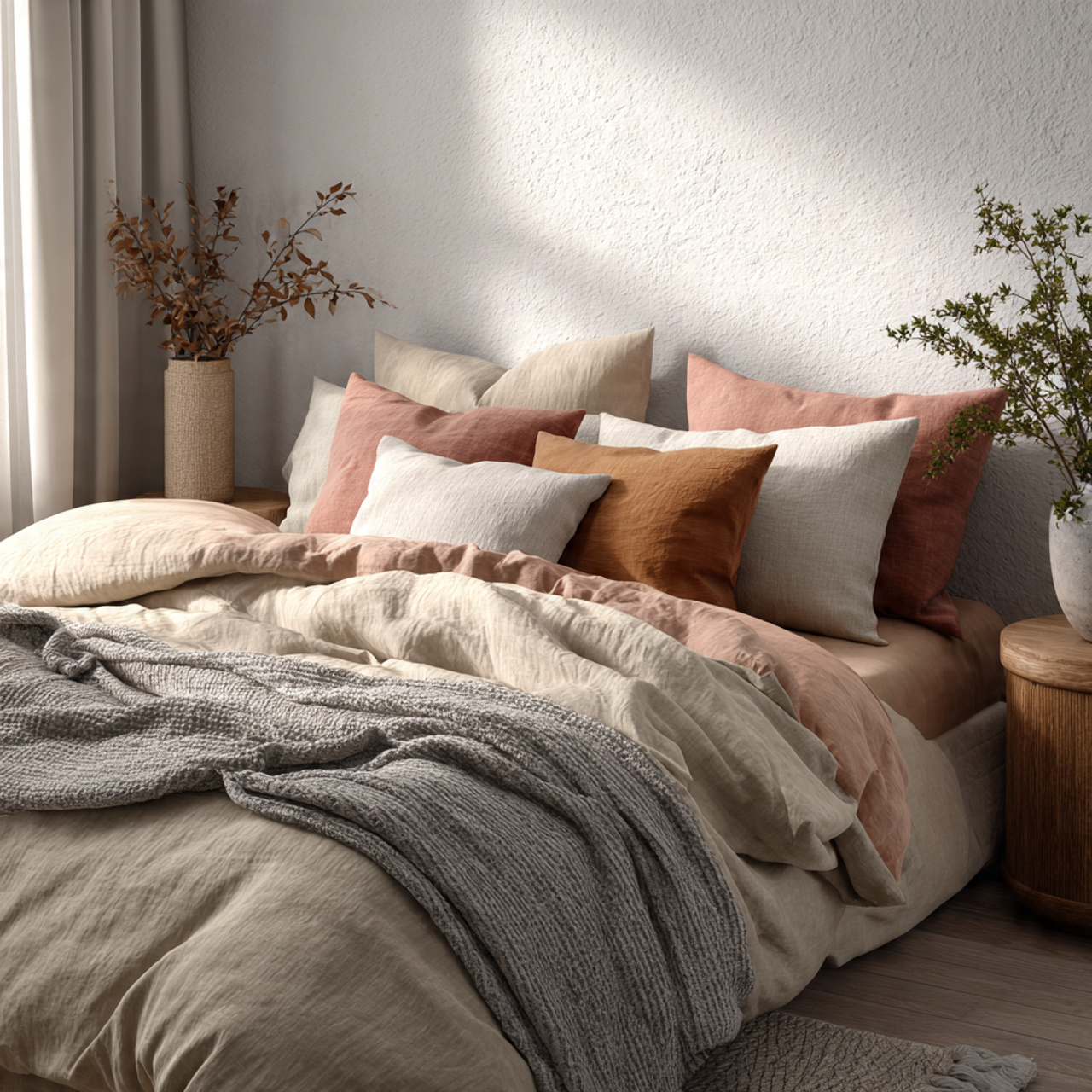
Bedding sets the tone for the entire bedroom. In small spaces, it is best to keep layers soft and simple rather than bulky and overstuffed.
I like using a light duvet, one throw blanket, and a few well-chosen pillows. This keeps the bed inviting without overpowering the room visually.
Bedding tips for small bedrooms:
- Stick to two or three colors
- Avoid oversized pillows
- Choose breathable fabrics
9. Multi-Functional Furniture That Works Harder
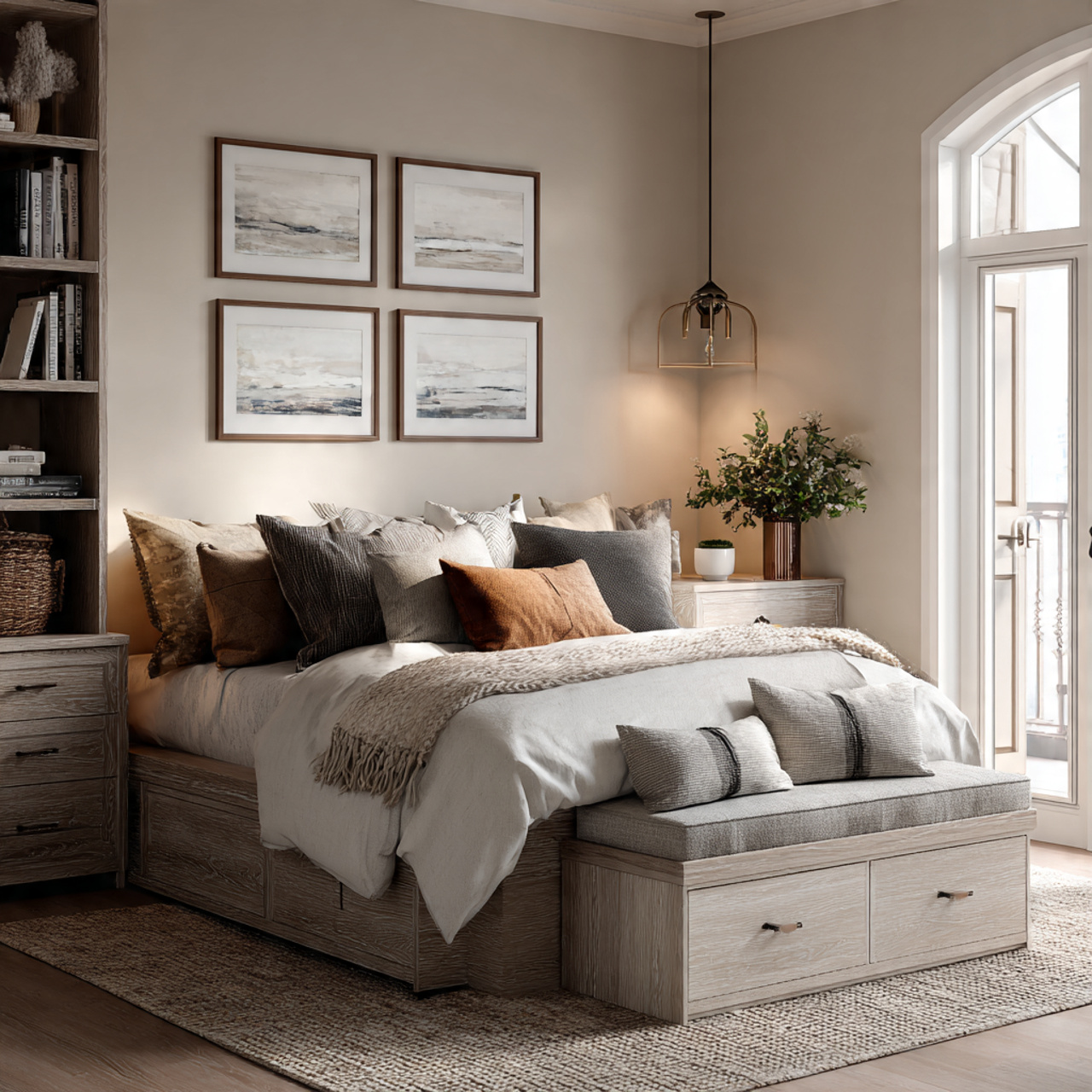
Furniture that serves more than one purpose is essential in a small bedroom. Think storage benches, beds with drawers, or desks that double as vanities.
From personal experience, a storage bench at the foot of the bed can replace a dresser entirely. It stores clothes while also providing seating, saving both space and money.
10. Slim Wardrobes That Save Floor Space
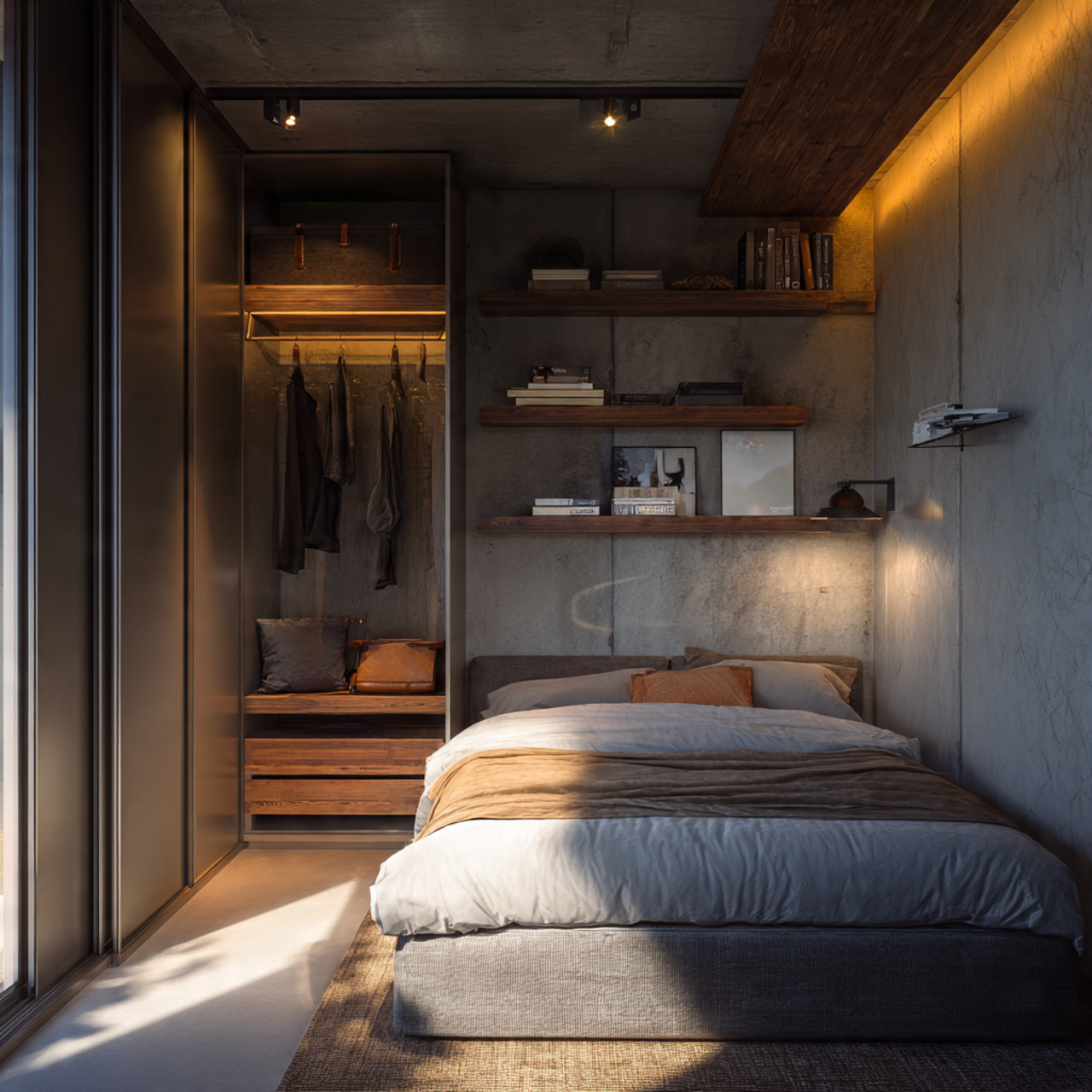
Traditional wardrobes can dominate a small bedroom. Slim wardrobes with sliding doors or open sections feel lighter and more practical.
I prefer wardrobes that reach the ceiling because they maximize storage without taking extra floor space. They also help keep the room visually balanced from top to bottom.
11. Under-Bed Storage That Stays Hidden and Organized
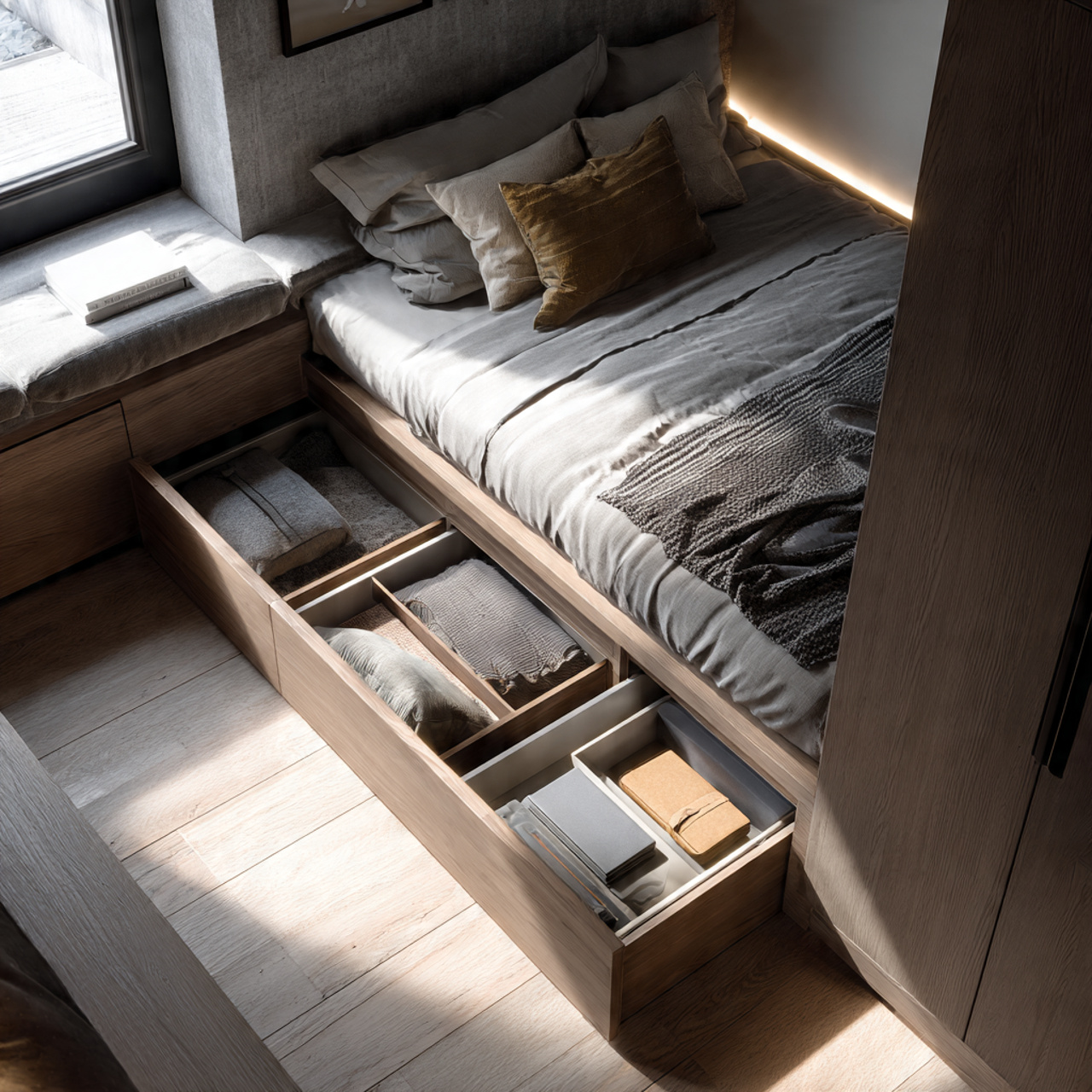
The space under the bed is often overlooked, but it can be incredibly useful. When organized properly, under-bed storage keeps clutter out of sight.
I recommend using storage boxes with lids or drawers built into the bed. This keeps items dust-free and easy to access while maintaining a clean look.
12. Accent Wall That Adds Depth Without Closing In
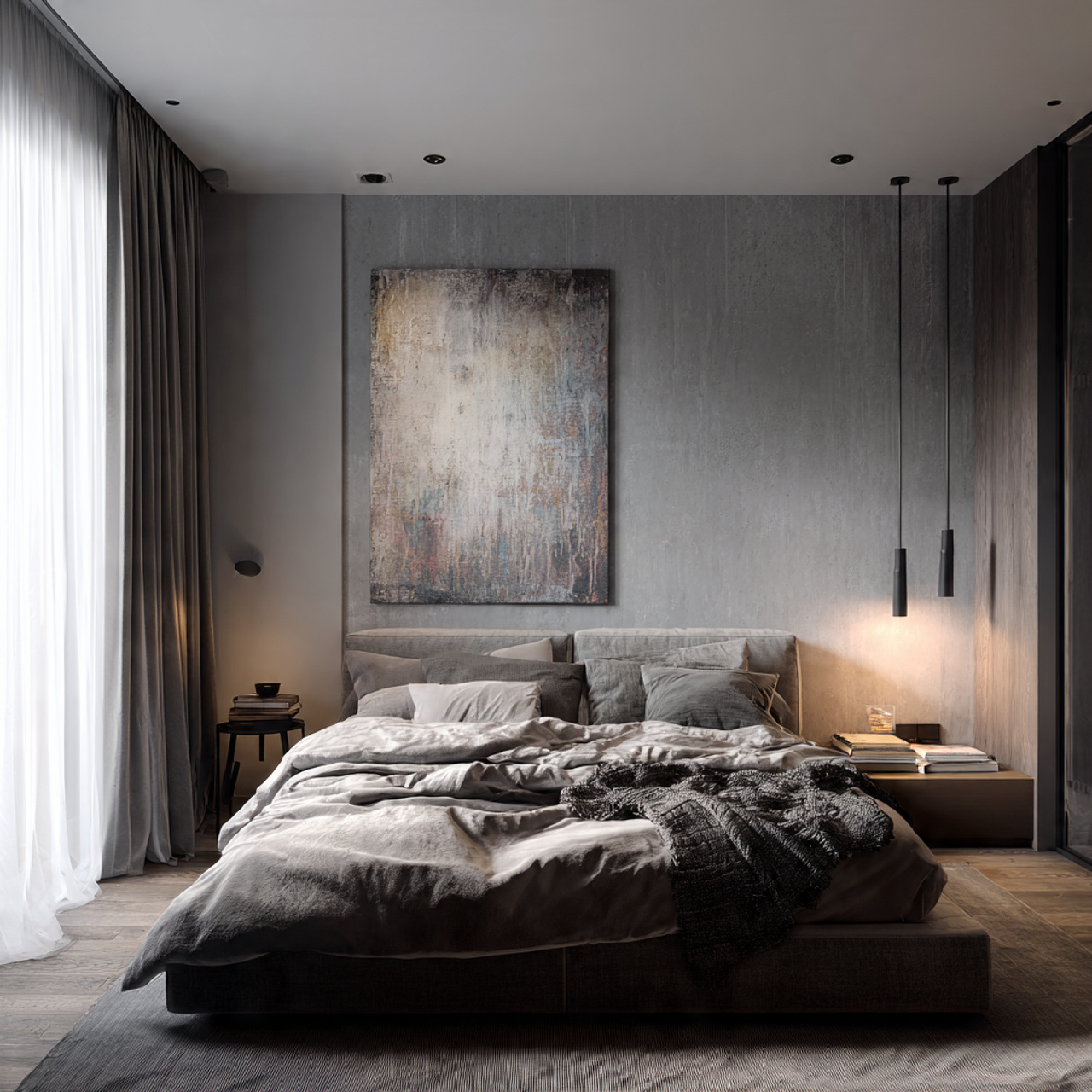
An accent wall can actually make a small bedroom feel larger when done correctly. Soft contrast adds depth without overwhelming the space.
I have found that muted colors, subtle wallpaper, or textured finishes work best. Placing the accent wall behind the bed helps anchor the room visually.
13. Strategic Lighting to Eliminate Dark Corners
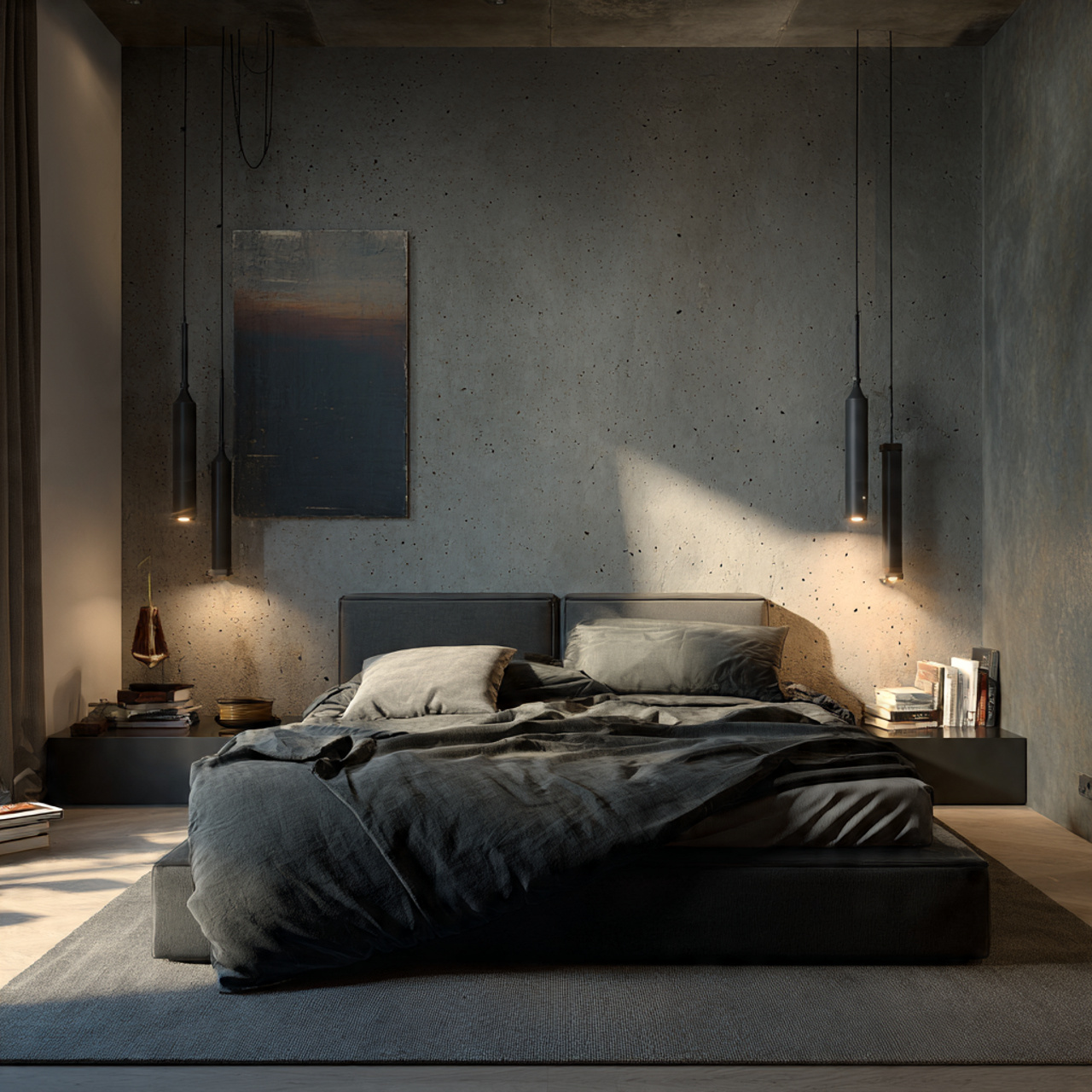
Lighting plays a huge role in how spacious a room feels. Poor lighting creates shadows that shrink the space visually.
Using multiple light sources helps eliminate dark corners and creates a balanced glow. Table lamps, wall sconces, and ceiling lights work together beautifully.
Lighting ideas that save space:
- Wall-mounted reading lights
- Slim floor lamps
- Pendant lights instead of table lamps
14. Open Shelving Styled with Intention
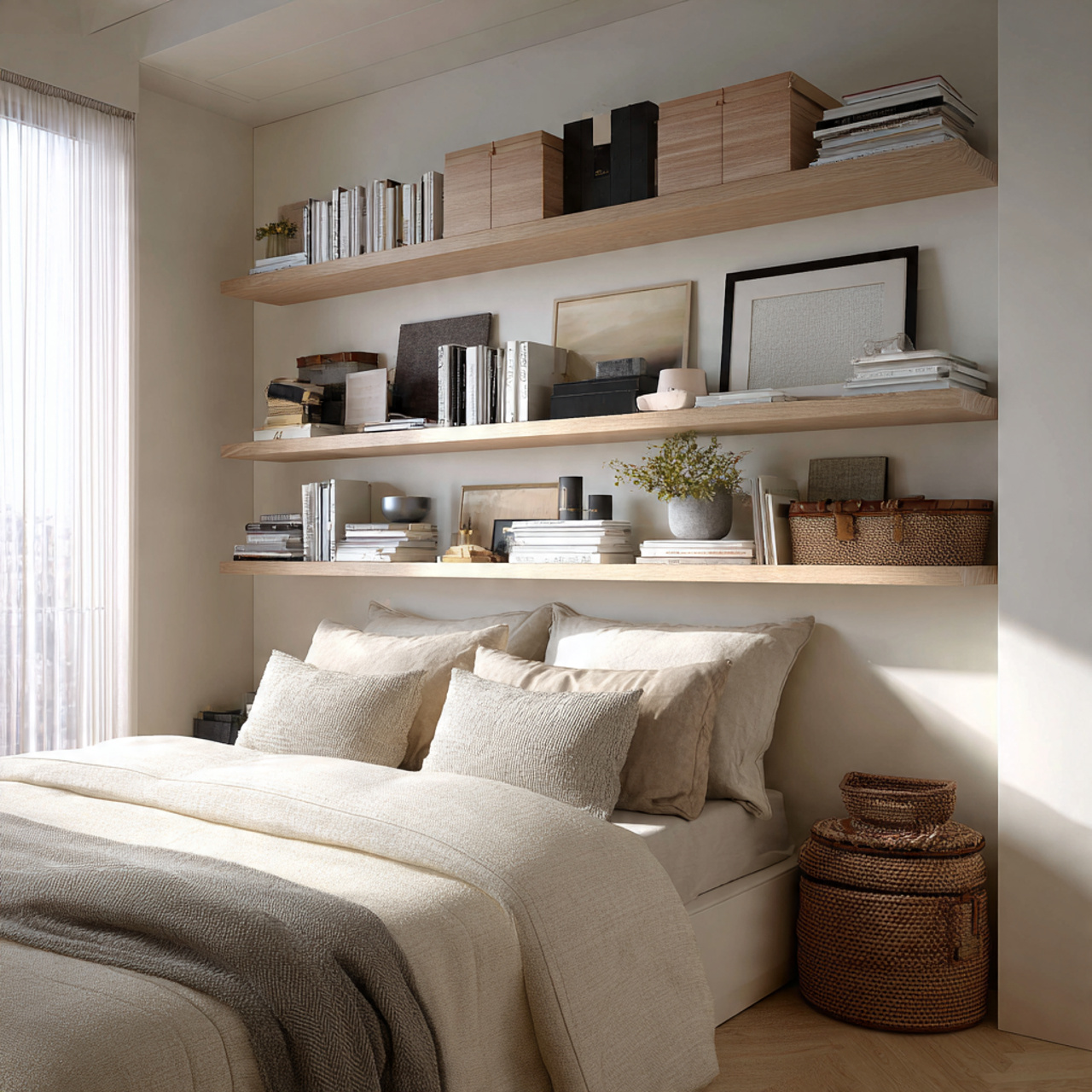
Open shelving can work well in small bedrooms when styled carefully. It adds storage without closing off the room visually.
I recommend keeping shelves minimal and well-organized. A mix of books, small decor pieces, and storage boxes keeps things functional and attractive.
15. Neutral Rugs That Define the Space Gently
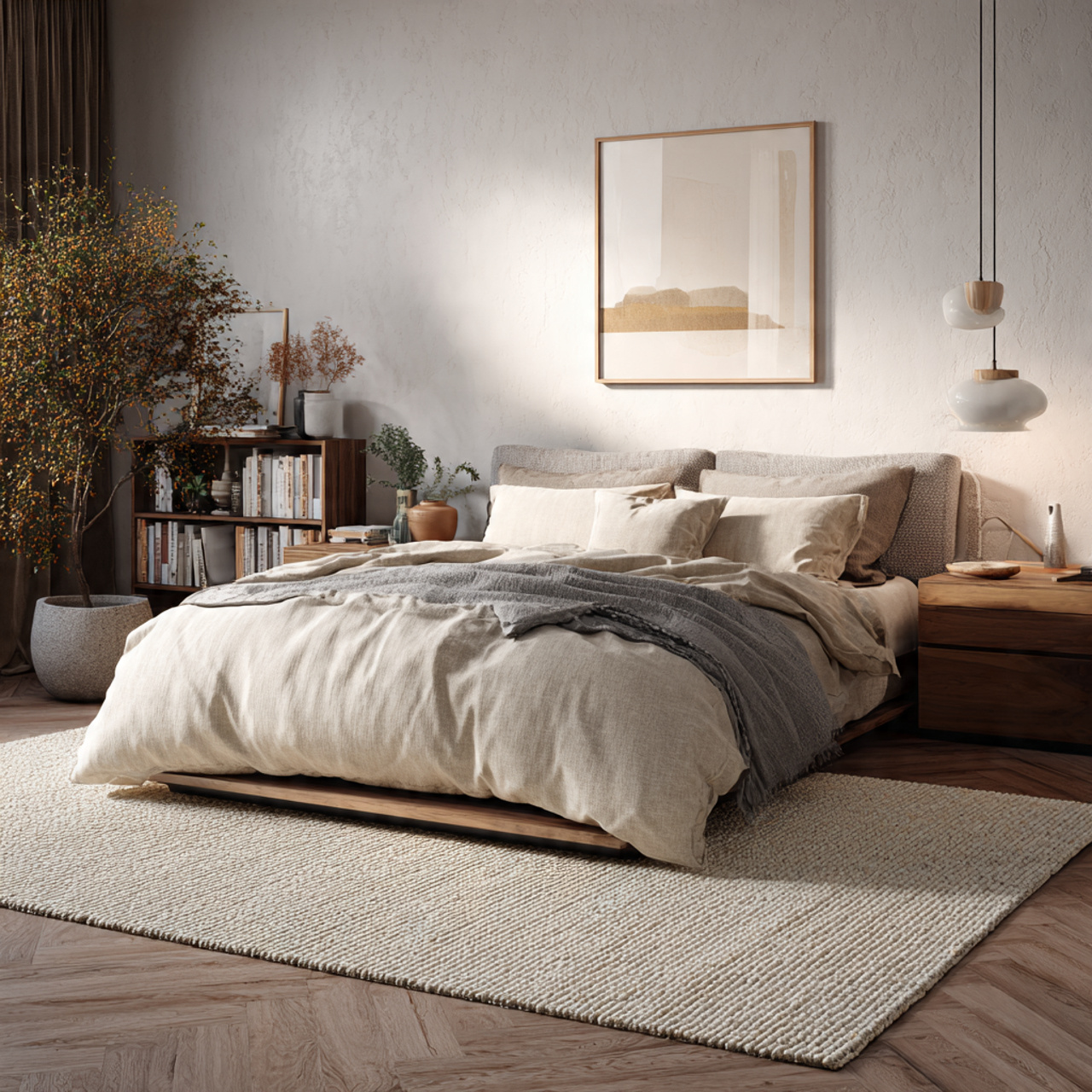
A rug helps define the sleeping area, even in small rooms. Neutral rugs blend seamlessly with the decor and avoid making the room feel smaller.
I usually choose rugs that extend slightly beyond the bed. This creates a sense of structure and comfort while keeping the room cohesive.
16. Compact Seating That Does Not Overcrowd
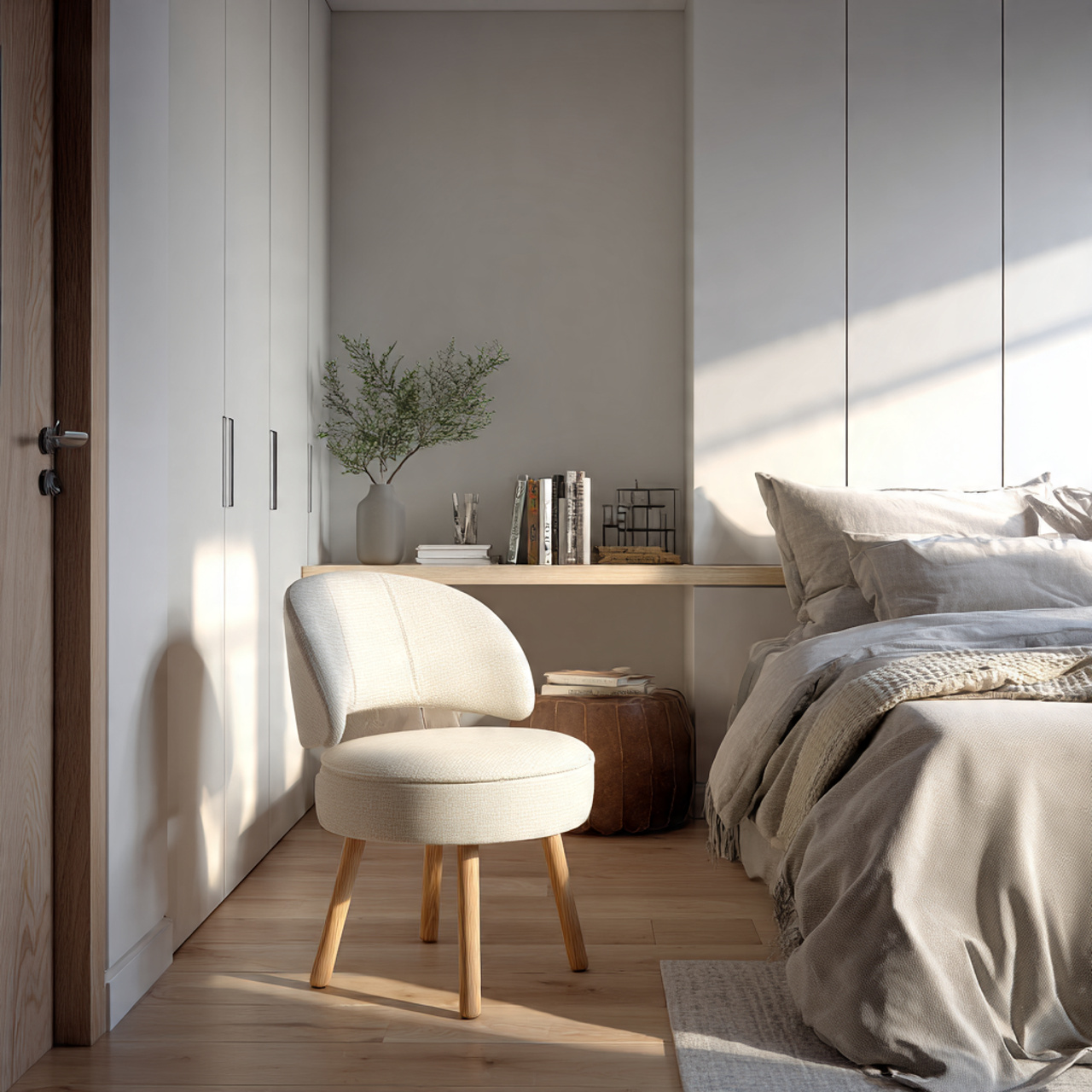
If your bedroom has room for seating, keep it compact. A small chair or stool provides function without overcrowding the space.
I like using lightweight chairs that can be moved easily. They work well for reading, dressing, or simply placing clothes at the end of the day.
17. Simple Decor That Leaves Breathing Room
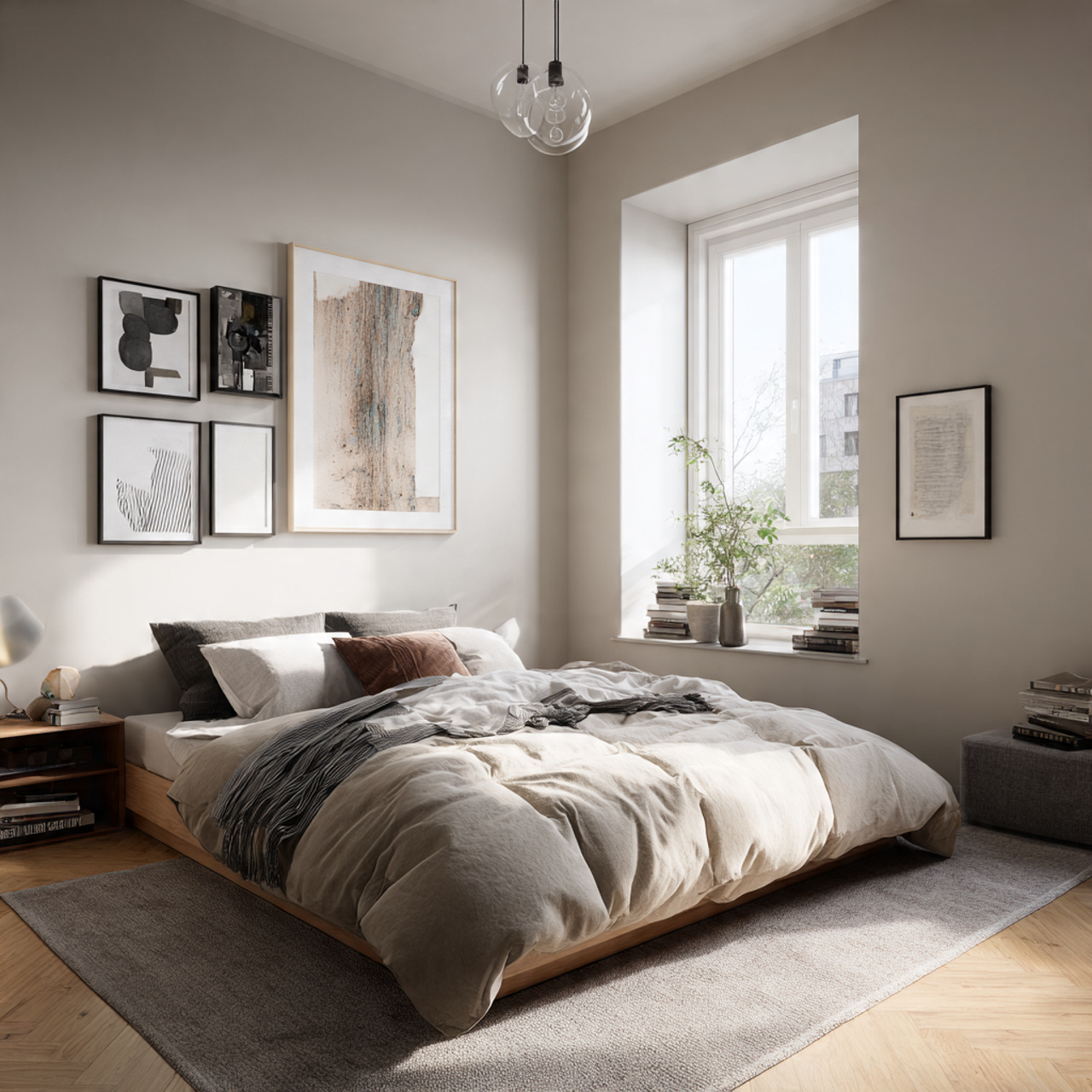
Decor should enhance a small bedroom, not overwhelm it. Choosing fewer pieces with meaning helps maintain balance and calm.
In my experience, one statement artwork or a small gallery wall is enough. Leaving negative space allows the room to feel relaxed and uncluttered.
18. Sliding Doors Instead of Swing Doors
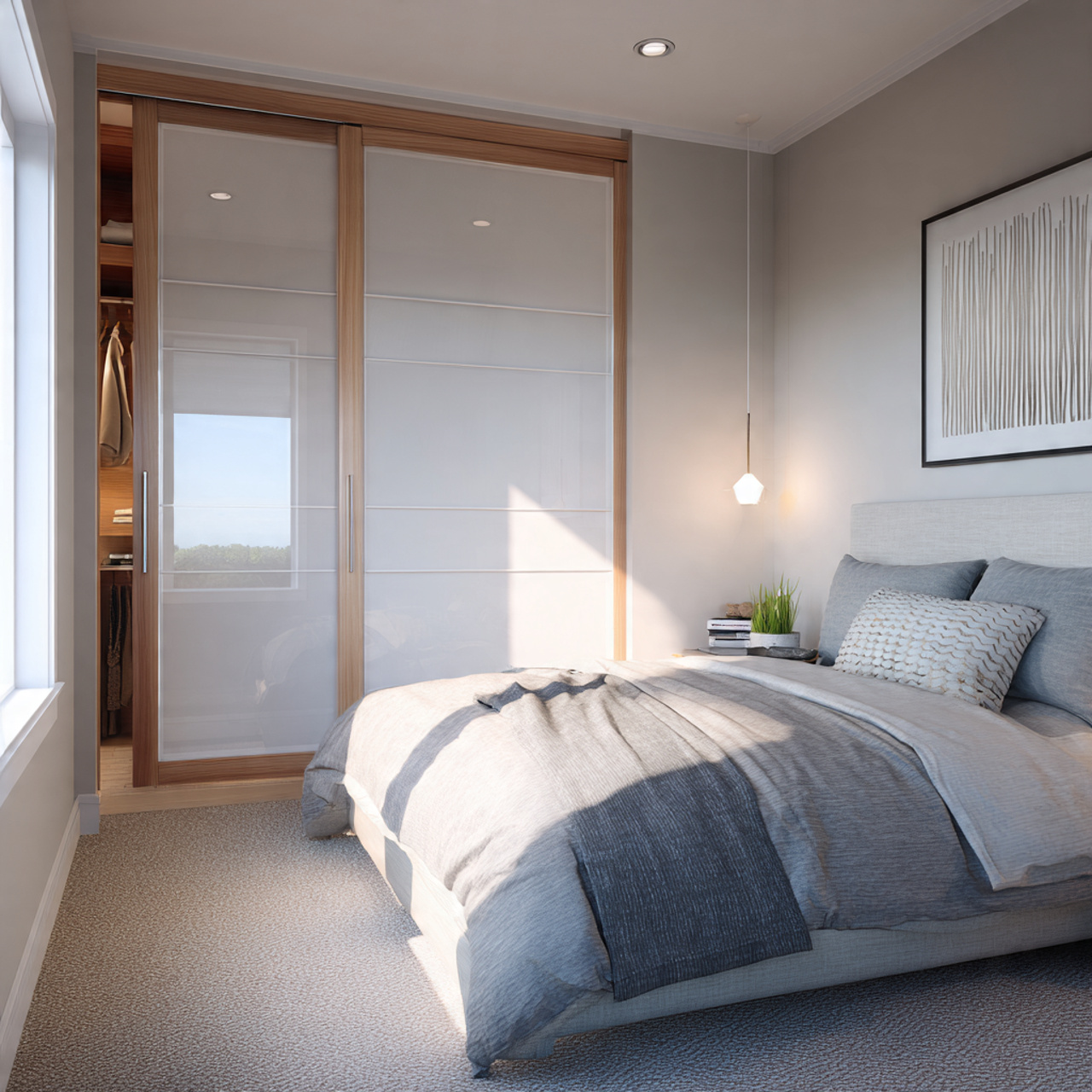
Sliding doors save valuable space by eliminating door swing clearance. They work especially well for closets and ensuite bathrooms.
I have seen small bedrooms feel instantly larger after replacing traditional doors with sliding or pocket doors. The flow improves dramatically.
19. Symmetry That Creates Visual Balance
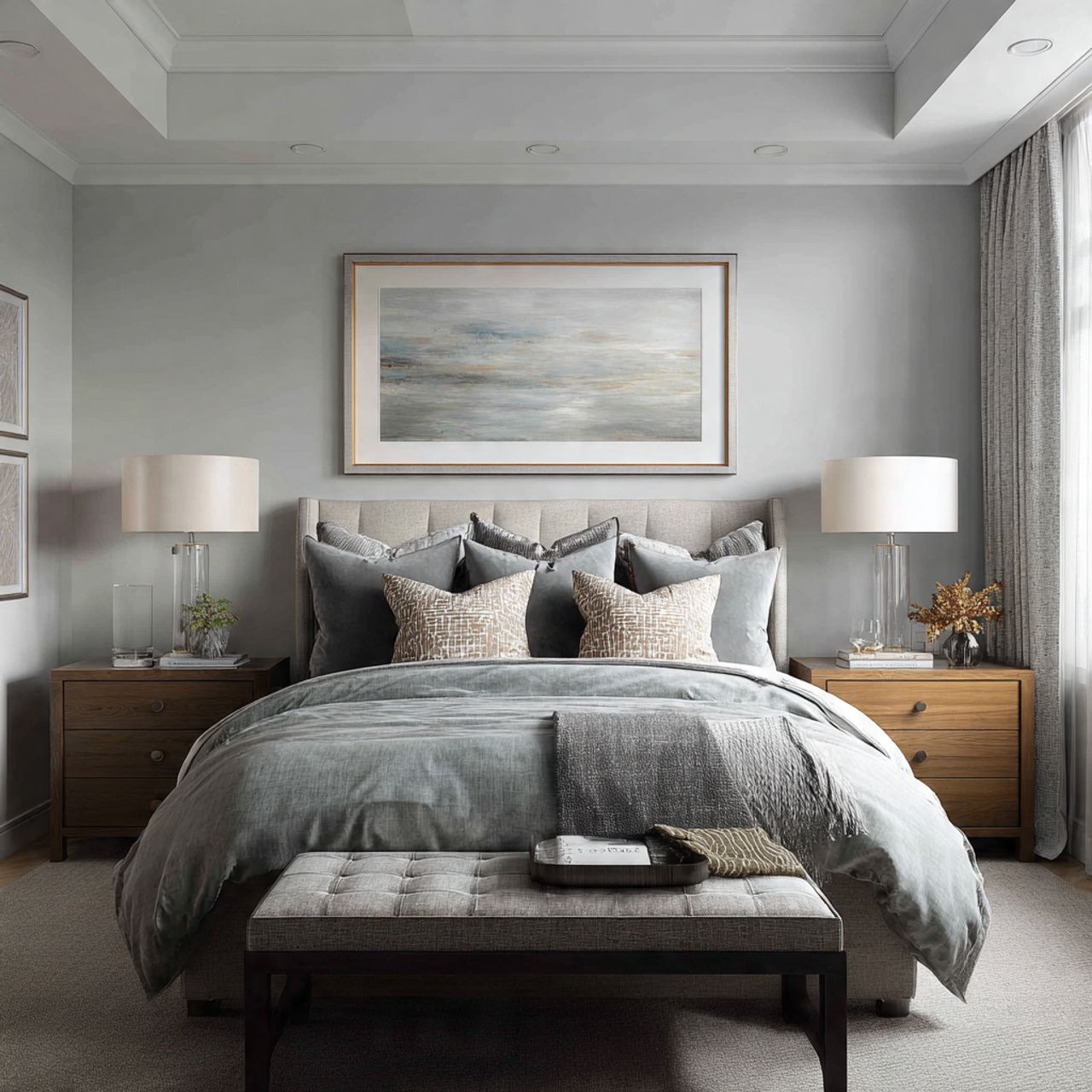
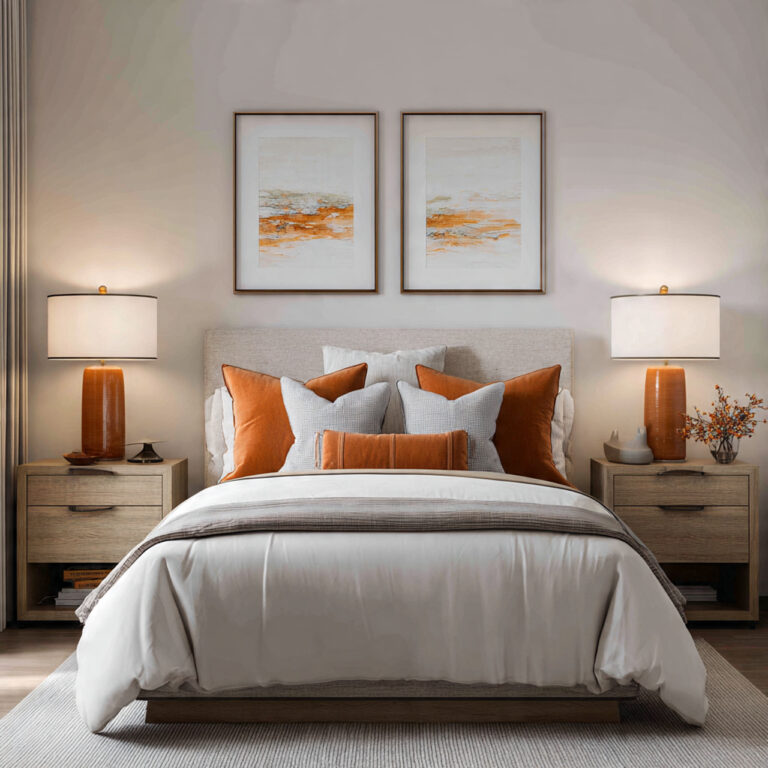
Symmetry helps small bedrooms feel organized and intentional. Matching nightstands or lamps bring harmony to the space.
This visual balance reduces distraction and makes the room feel calmer. Even small symmetrical elements can make a noticeable difference.
20. Clear Pathways That Improve Flow and Function
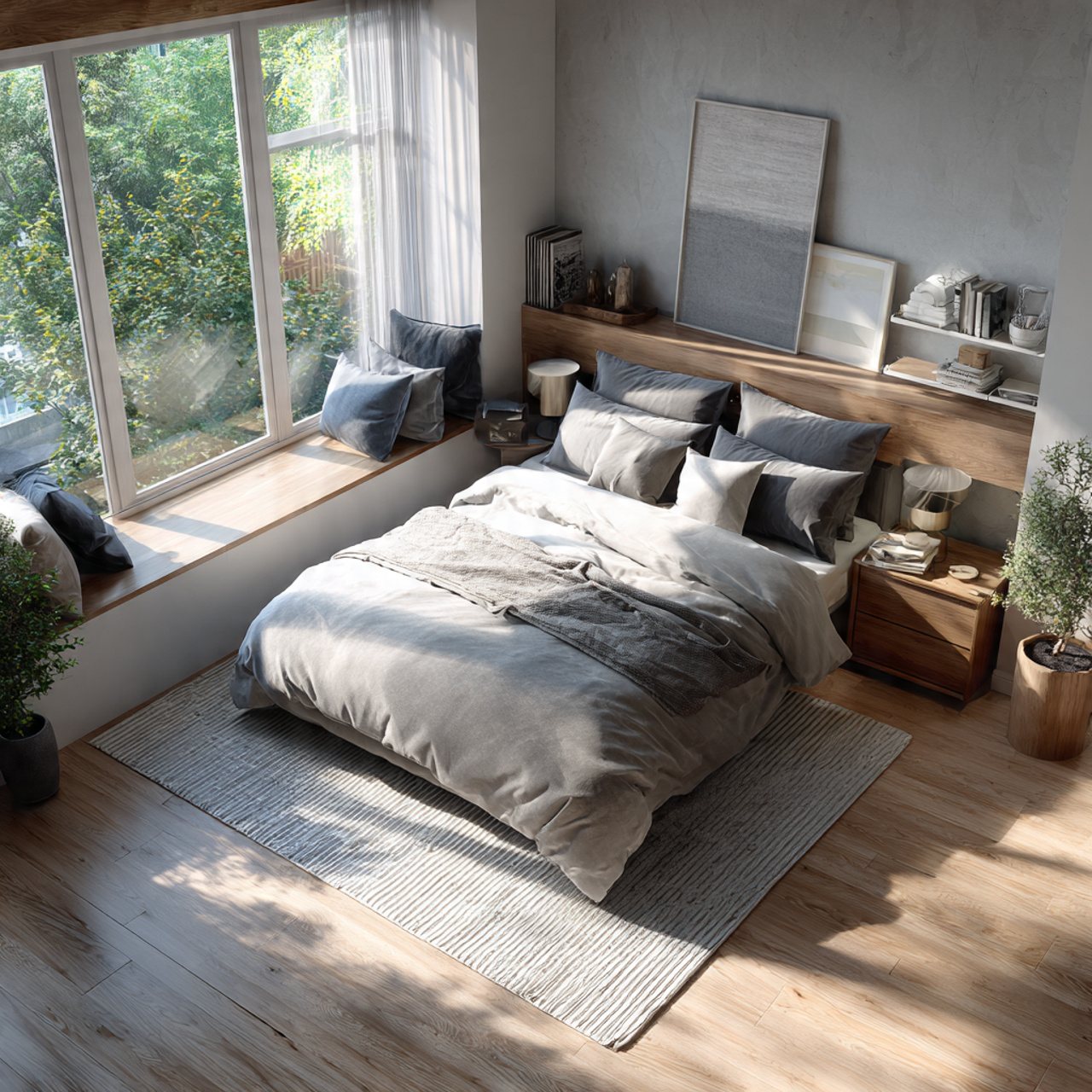
Clear walking paths help a small bedroom feel less cramped. When furniture placement allows easy movement, the room feels more open.
I always recommend keeping pathways around the bed clear. This improves both comfort and daily functionality.
Ways to improve flow:
- Push furniture against walls
- Avoid oversized furniture
- Keep floors visible
21. Thoughtful Styling That Keeps the Room Calm
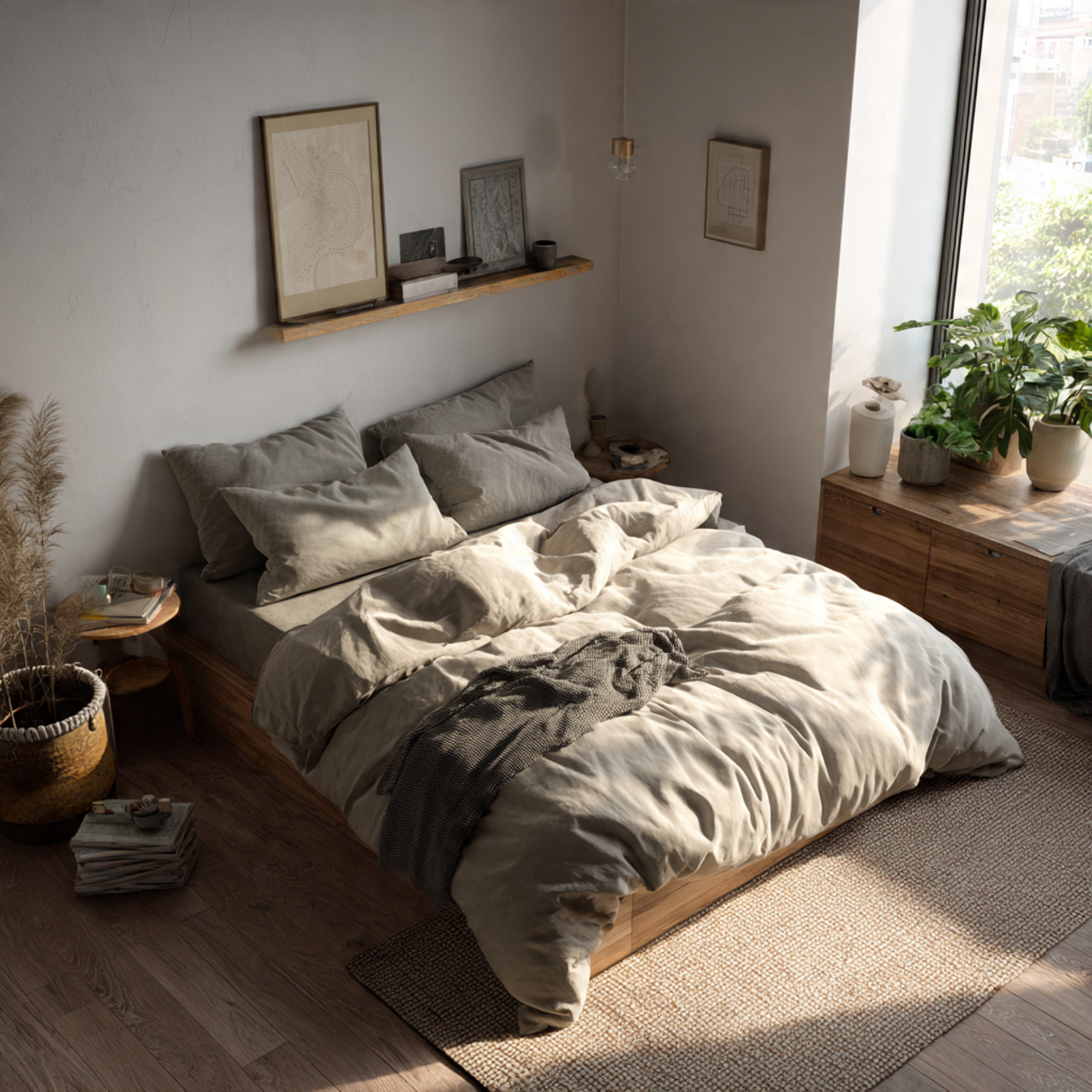
Styling brings everything together. Thoughtful choices in decor, color, and layout create a bedroom that feels peaceful and personal.
I have learned that small bedrooms benefit from restraint. When everything has a purpose, the space feels intentional and surprisingly spacious.
Final Thoughts
A small bedroom does not have to feel limiting or uncomfortable. With smart layout choices, light colors, and intentional decor, even the smallest space can feel open, cozy, and functional.
When you focus on flow, storage, and simplicity, your bedroom becomes a calm retreat that truly works for your everyday life.