Minimalist dining rooms often get a bad reputation for feeling cold or unfinished, but from my experience, they can feel incredibly warm when done right. It all comes down to balance, texture, and small thoughtful choices.
1. A Soft Neutral Dining Room With Cozy, Layered Tones
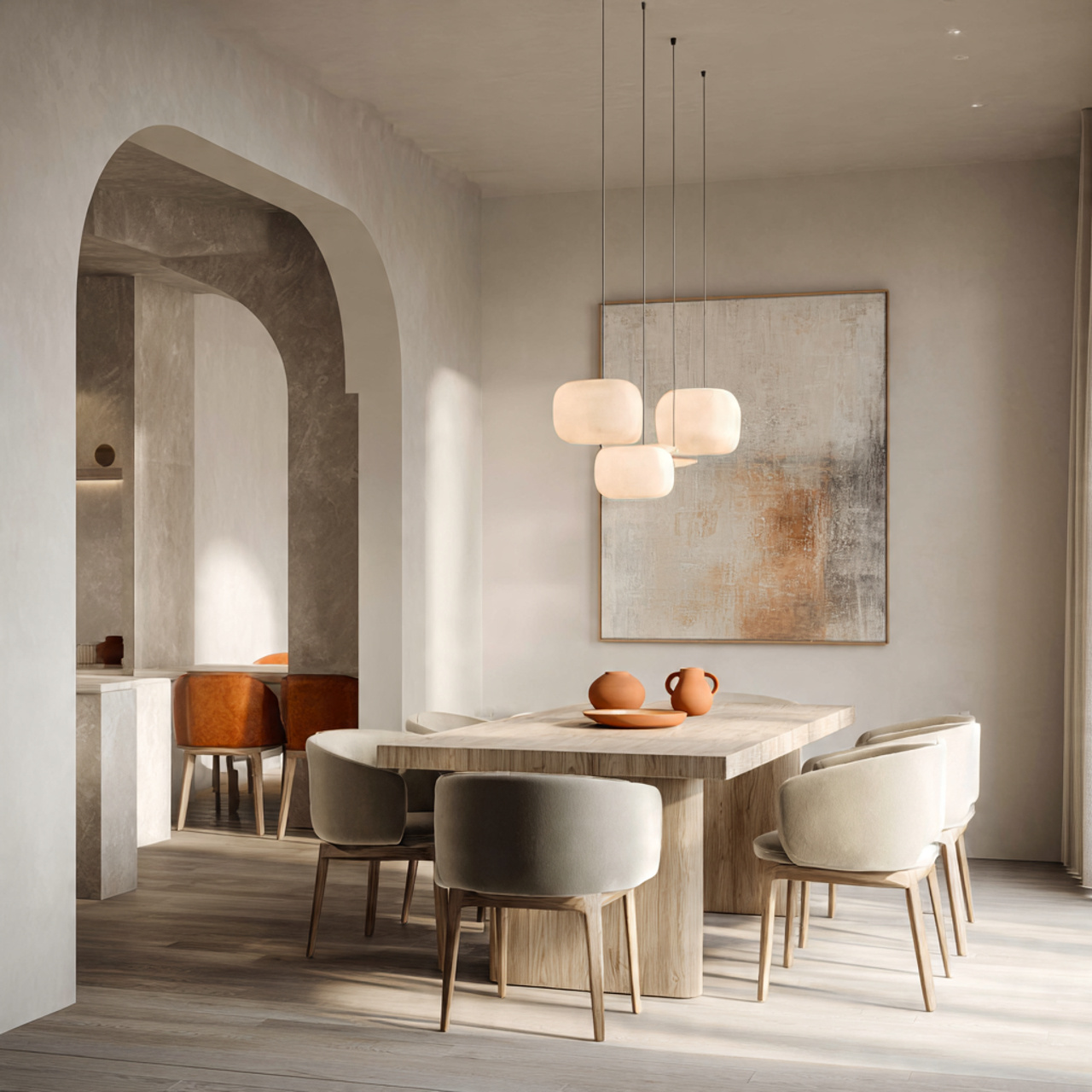
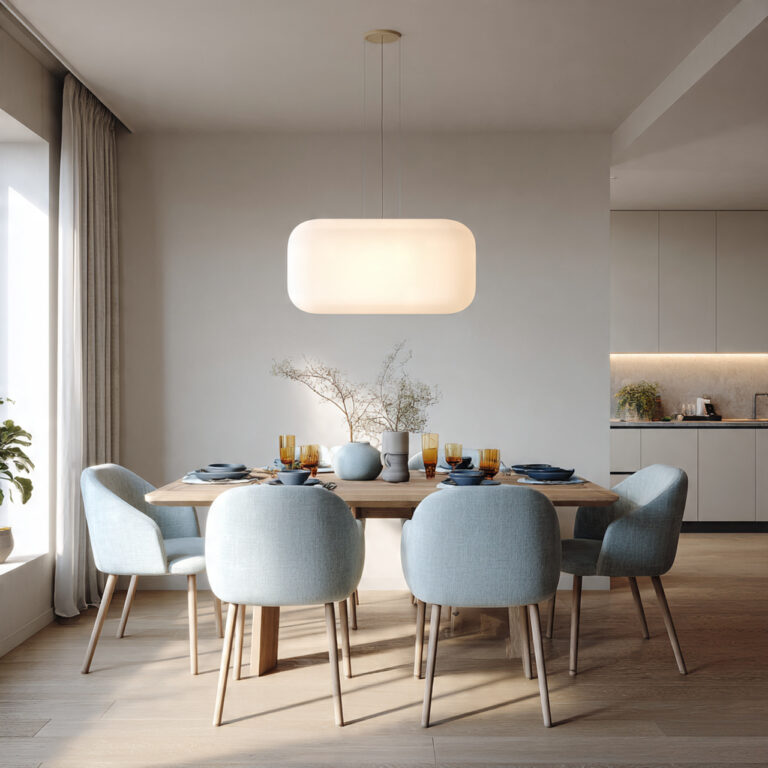
A dining room built around soft neutrals always feels welcoming. Cream, beige, warm gray, and light taupe create a calm base that feels gentle instead of sharp or empty.
What makes this idea work is layering. Even with minimal furniture, subtle shifts in tone add depth and warmth without cluttering the space or overwhelming the eyes.
Soft neutrals also make the room feel timeless. You can change accessories over time without losing the peaceful feeling that makes minimalist dining rooms so enjoyable.
2. A Natural Wood Focused Dining Space That Feels Grounded
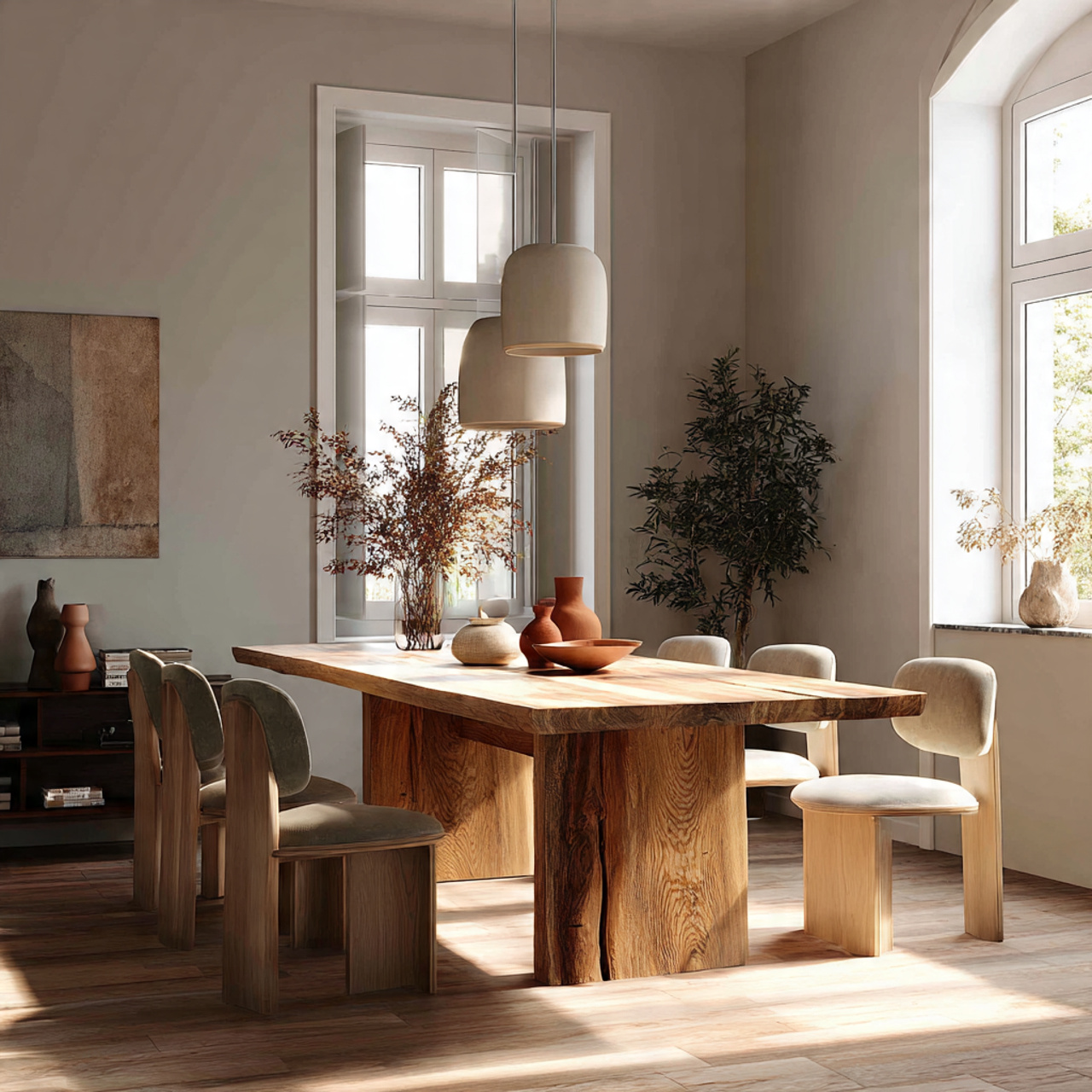
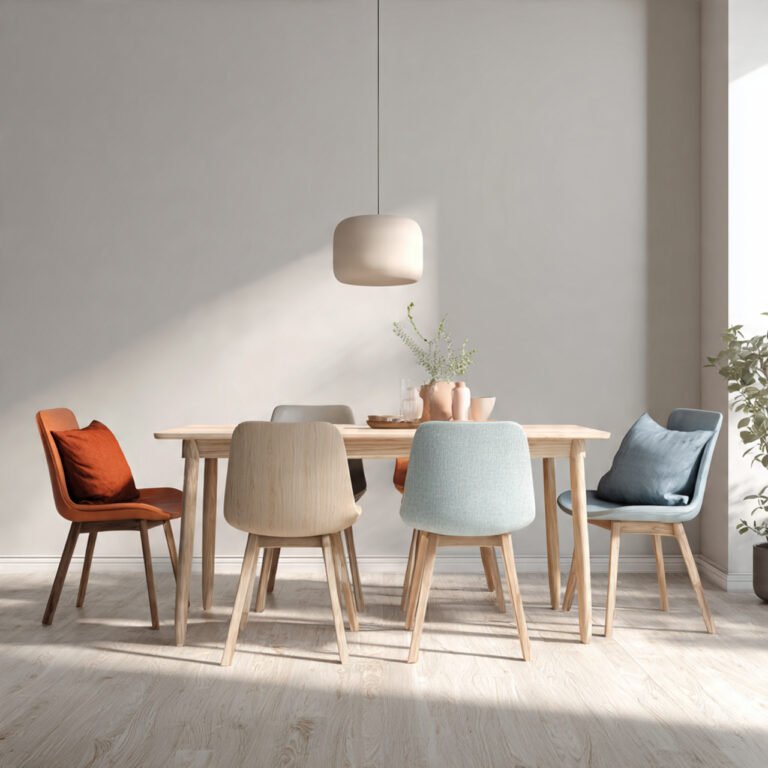
Natural wood instantly brings warmth into a minimalist dining room. Whether it is the table, chairs, or flooring, wood adds character without needing extra decoration.
I have noticed that rooms with visible wood grain always feel more inviting. They feel human, lived-in, and connected to nature in a quiet, comforting way.
Light oak feels airy and relaxed, while walnut and teak bring a deeper, cozy mood. Both work beautifully within minimalist spaces.
3. A Light Filled Minimalist Dining Room With an Airy Atmosphere
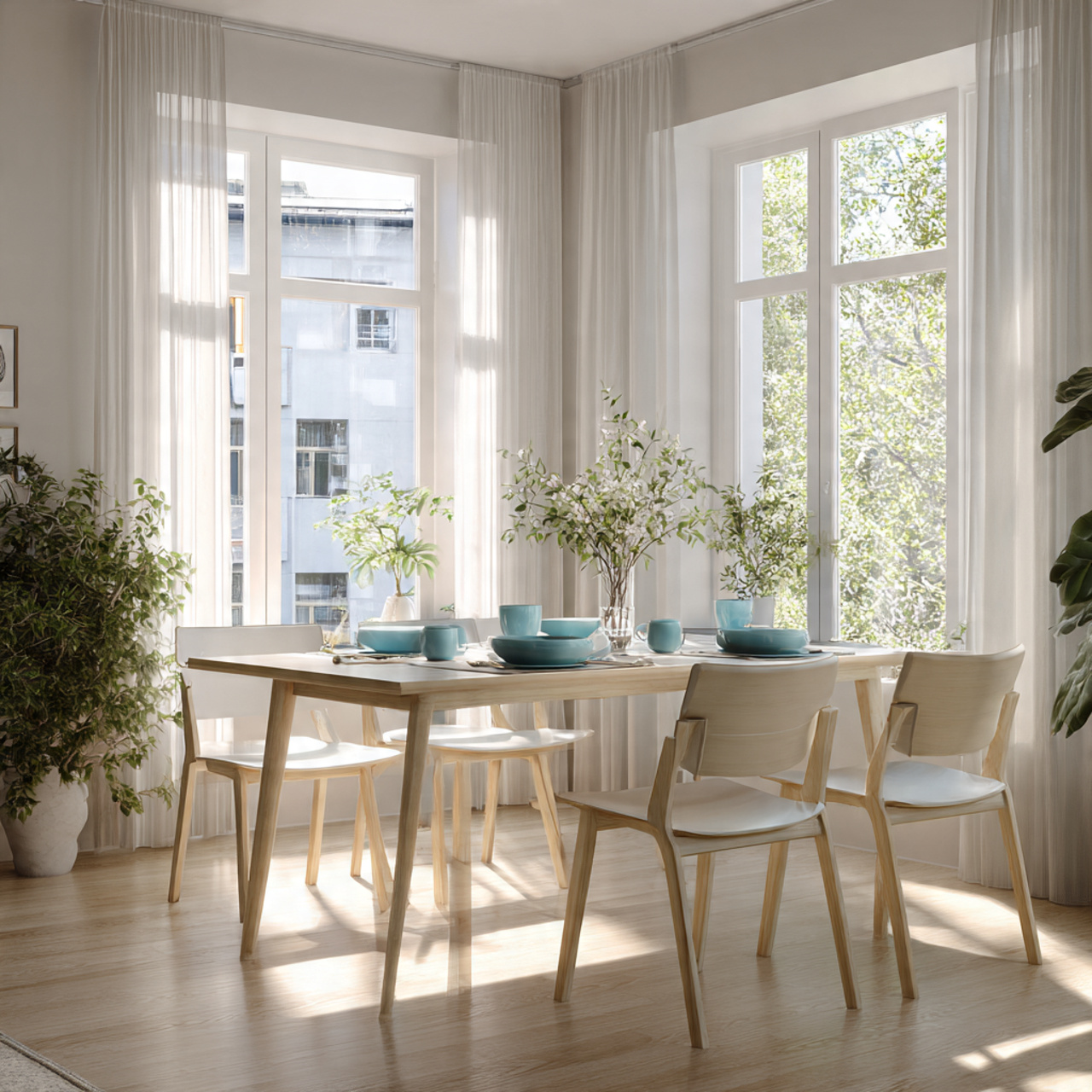
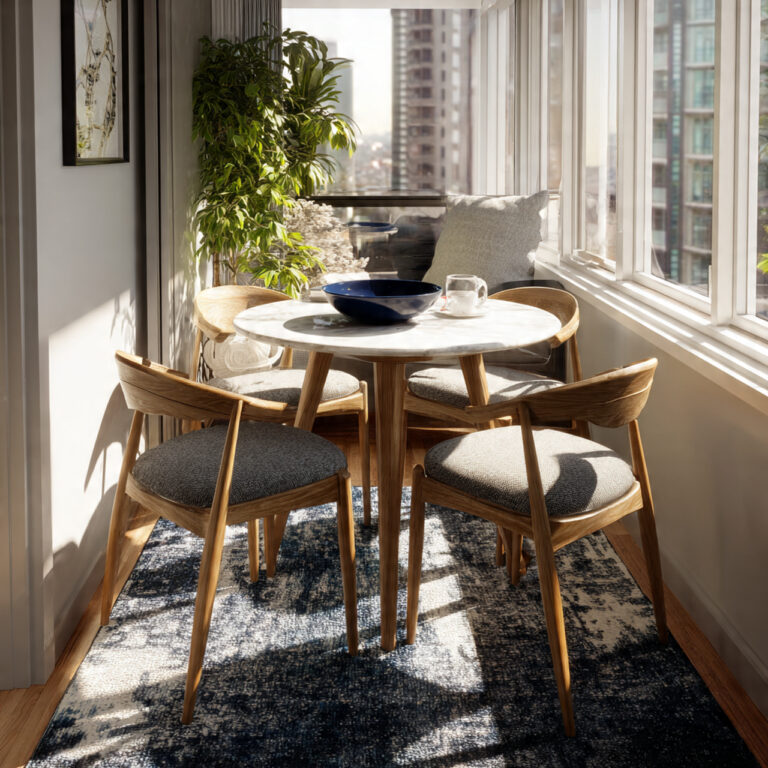
When a dining room is filled with natural light, it naturally feels warm and welcoming. Large windows, sheer curtains, or no window treatments at all help keep the space open.
This idea works especially well for small dining areas. Light reflects off neutral surfaces and makes the room feel bigger and more relaxed.
You do not need much decor here. Sunlight becomes part of the design, changing the mood of the room throughout the day.
4. A Warm White Dining Room That Feels Clean but Never Cold
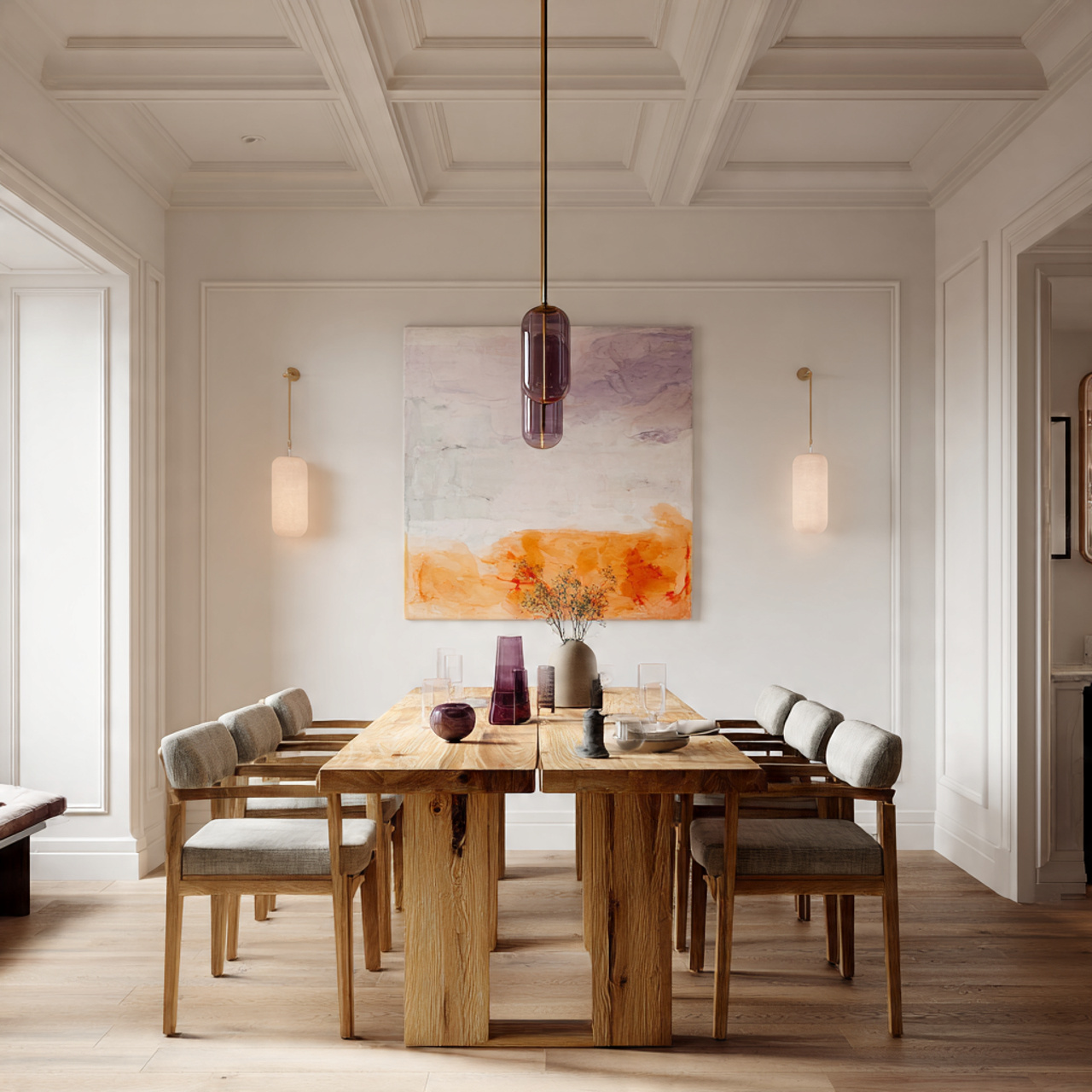
Warm white walls can feel incredibly cozy when paired with the right elements. The key is avoiding stark or bluish whites that make the space feel sterile.
Warm whites create a soft backdrop that allows furniture and textures to stand out gently. The room feels calm, balanced, and easy to spend time in.
To keep it inviting, pair white walls with natural materials like wood, linen, or ceramics. These details make all the difference.
5. An Earth Toned Dining Room With Subtle Organic Depth
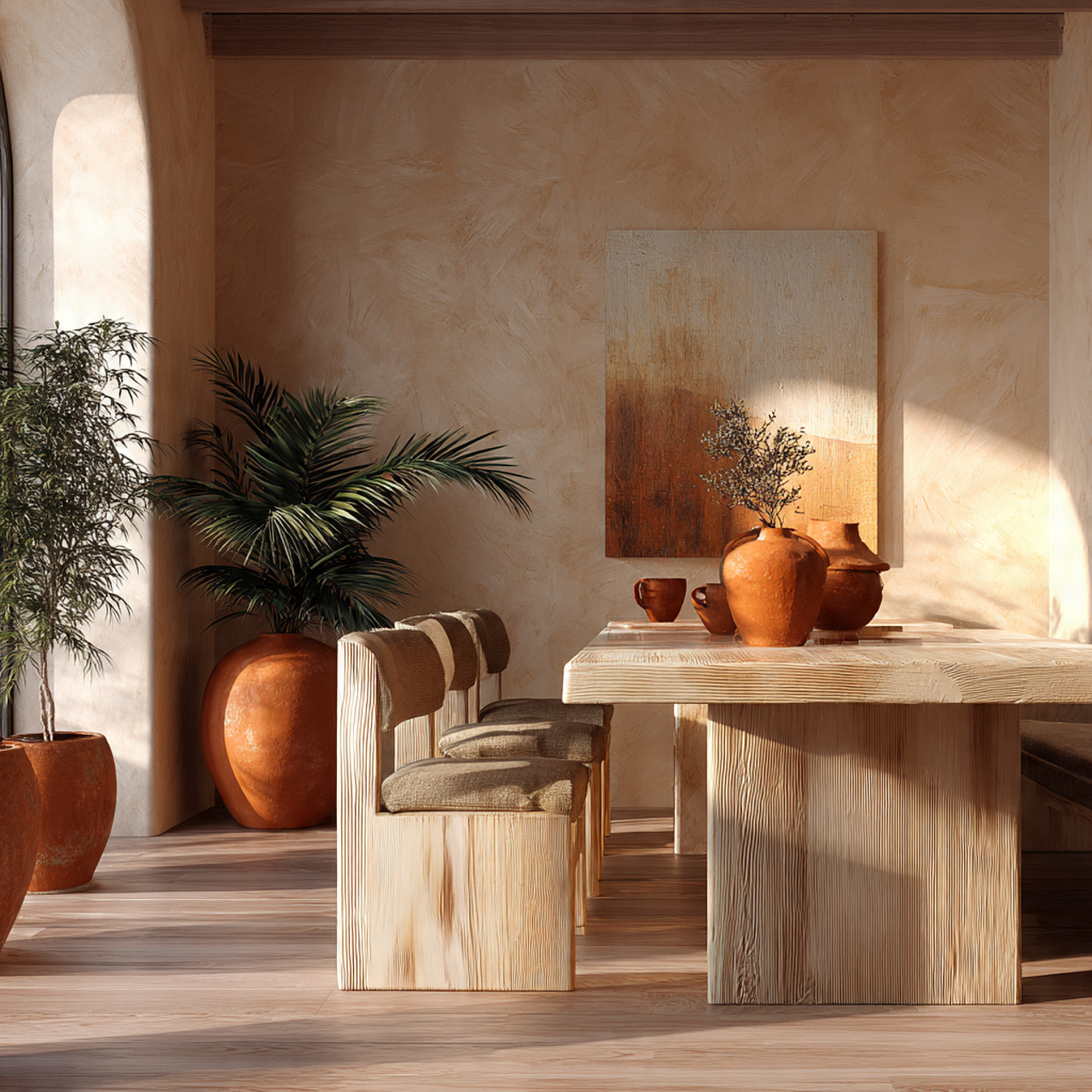
Earth tones bring warmth without overpowering a minimalist design. Think clay, sand, muted brown, soft olive, and warm terracotta.
These colors feel grounded and familiar. They make the dining room feel relaxed and connected to nature, which is perfect for shared meals.
You do not need to use many colors. Even one or two earthy shades can soften the entire space beautifully.
6. A Minimalist Dining Room Centered Around a Solid Wood Table
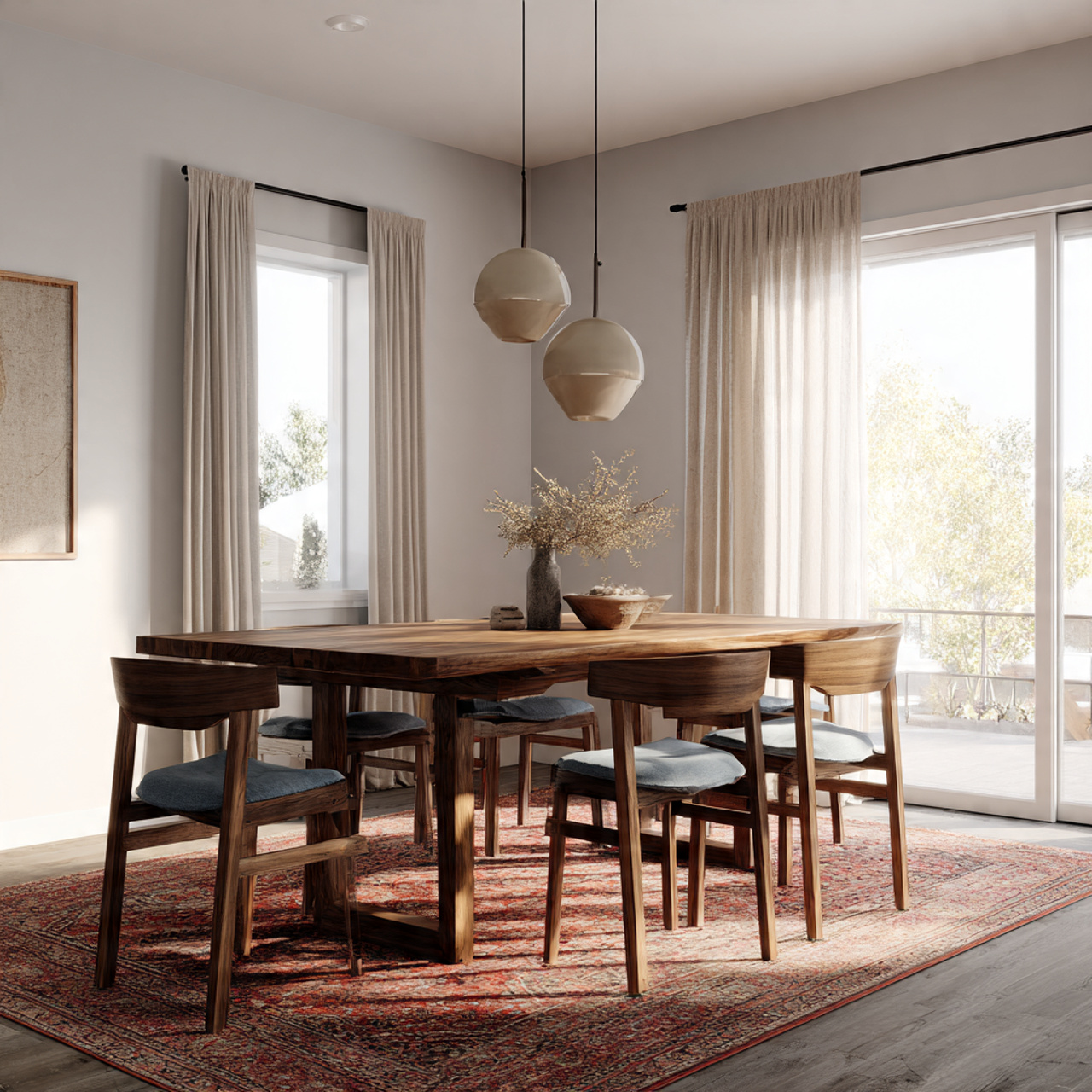
A solid wood dining table can carry an entire minimalist dining room on its own. It becomes the visual anchor without needing extra decor.
When the table has presence, everything else can stay simple. Clean chairs, bare walls, and soft lighting allow the table to shine naturally.
This idea works especially well for families. A sturdy table feels welcoming, practical, and meant to be used every day.
7. A Simple Dining Space Softened With Natural Textures
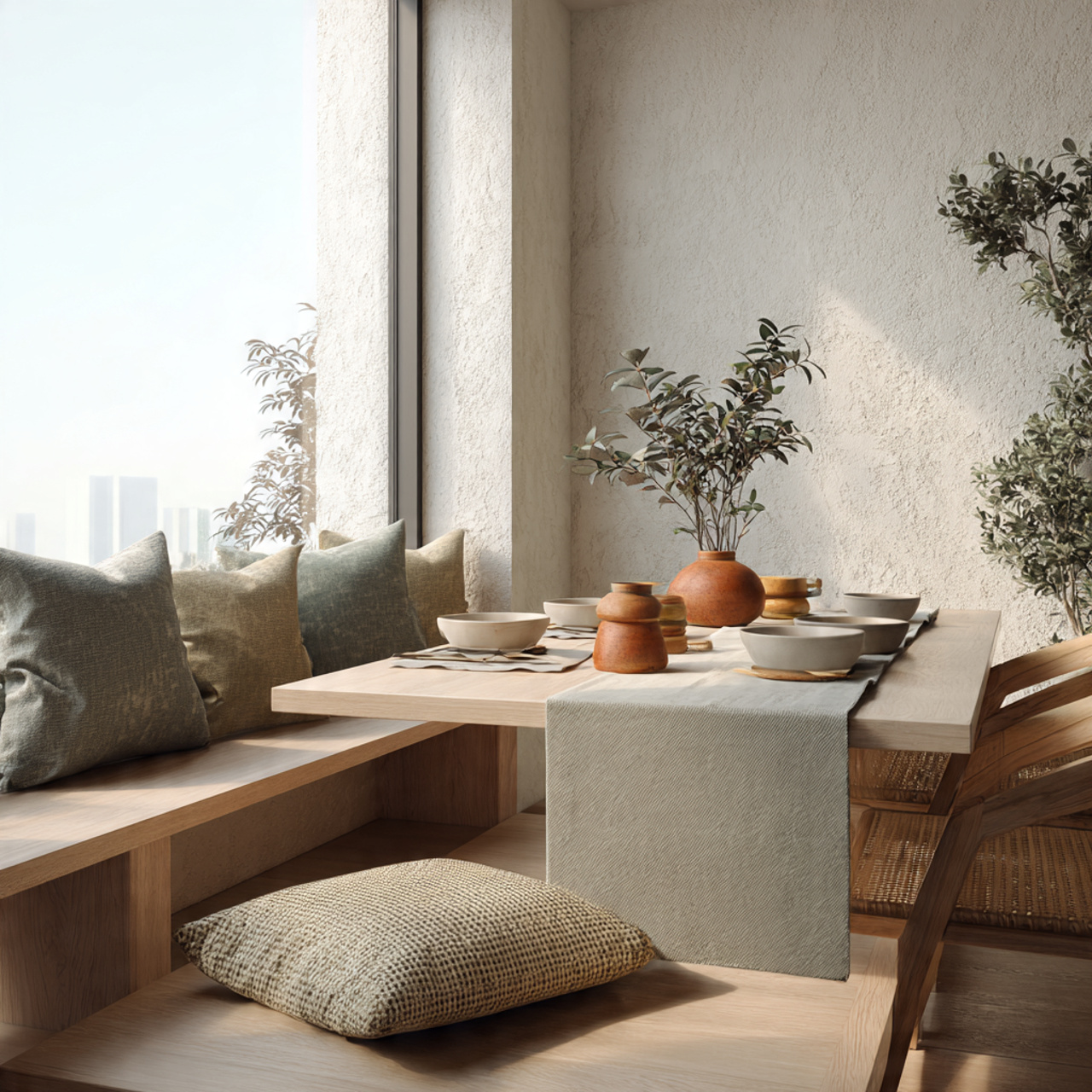
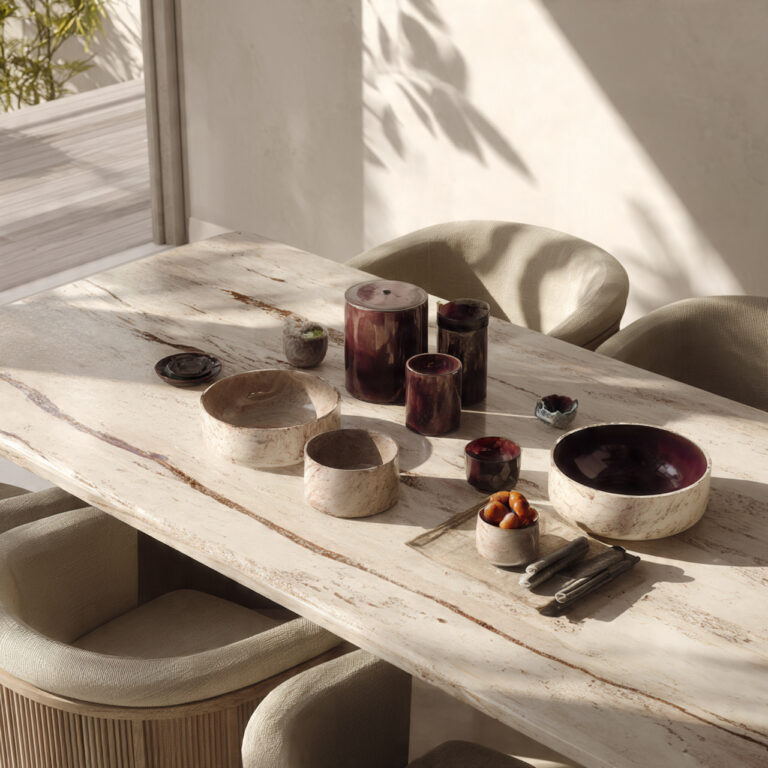
Texture is what keeps minimalist spaces from feeling flat. In a dining room, small touches make a big difference.
Here are a few textures that add warmth without clutter:
- Linen or cotton table runners
- Woven seat cushions
- Ceramic vases or bowls
- Light wood or rattan accents
These details add depth while keeping the room calm and uncluttered.
8. A Calm Dining Room With Soft Lighting and Gentle Shadows
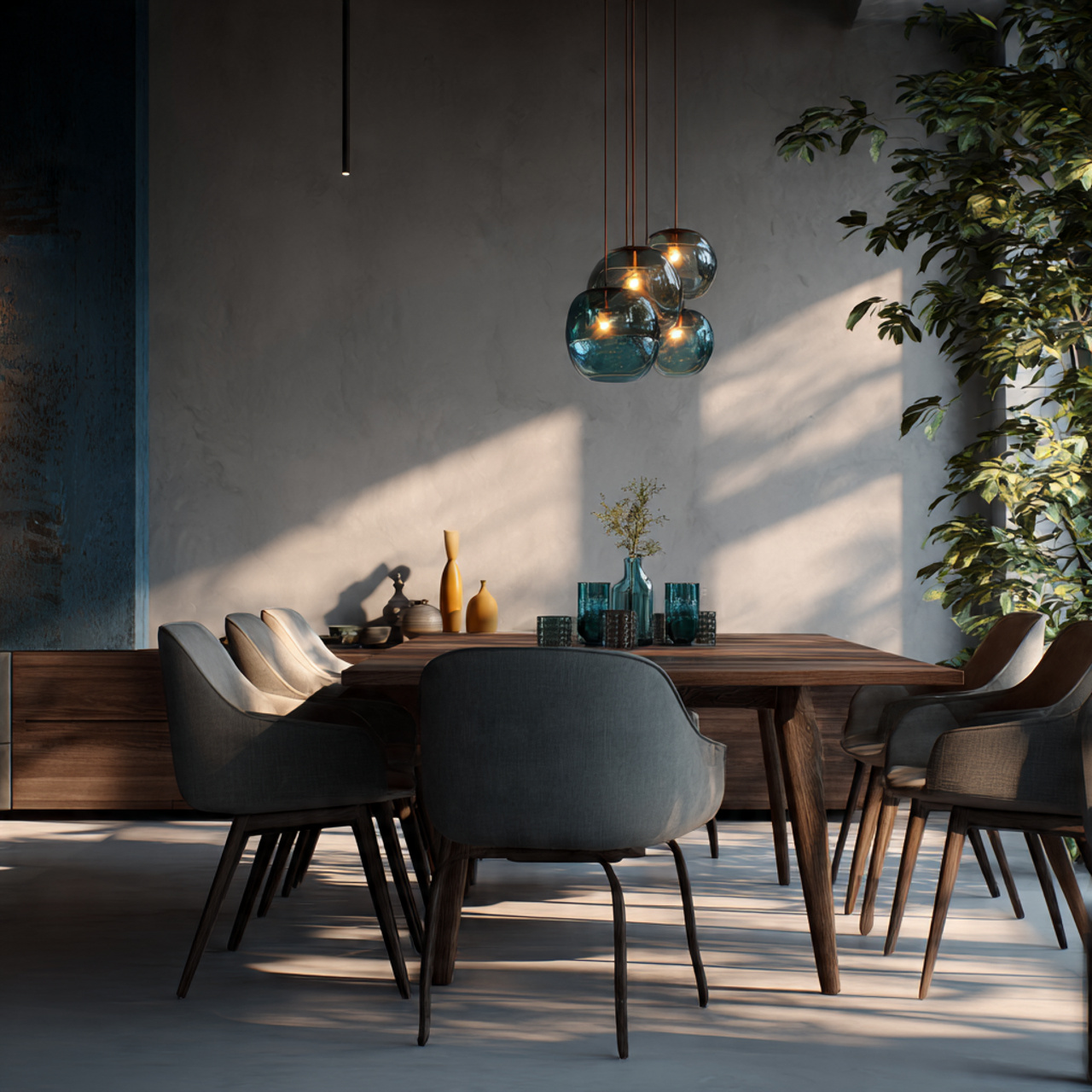
Lighting plays a huge role in how a dining room feels. Soft, warm lighting creates a relaxed atmosphere that invites people to stay longer.
Avoid harsh overhead lights whenever possible. Pendant lights with warm bulbs or shaded fixtures help soften the space beautifully.
In the evening, gentle lighting makes even the simplest dining room feel cozy and intimate.
9. A Minimalist Dining Room With a Touch of Greenery
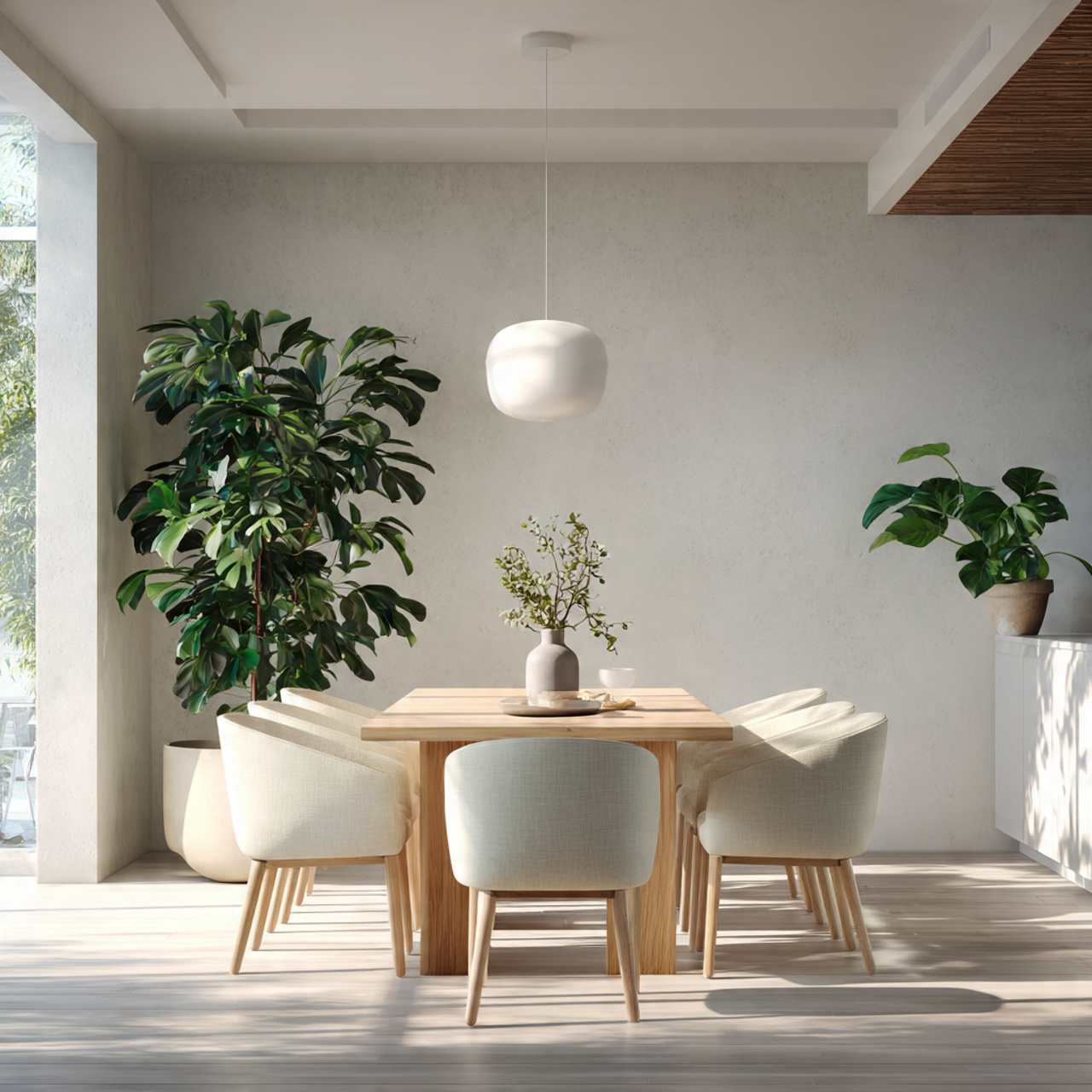
Plants bring life into minimalist dining rooms without adding visual noise. A single plant can completely change the mood of the space.
Greenery adds softness and movement. It keeps the room from feeling too perfect or staged, which is important in minimalist homes.
Even a small potted plant on a sideboard or corner floor plant can make the room feel more welcoming.
10. A Neutral Dining Room With Comfortable, Inviting Seating
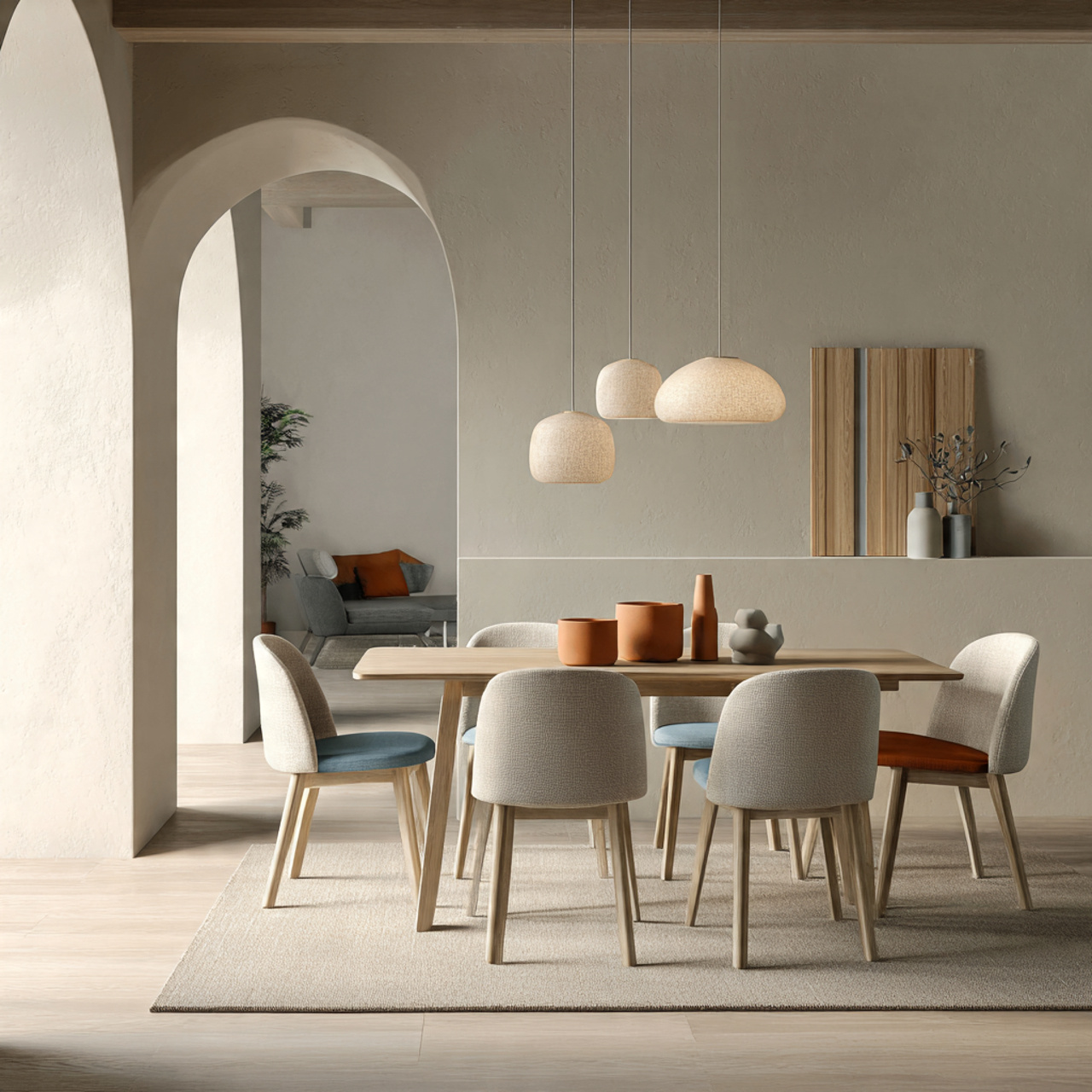
Minimalist dining rooms should still feel comfortable. Chairs that look good but feel stiff can make the space feel uninviting.
Comfort does not mean bulky. Simple chairs with gentle curves, padded seats, or natural materials strike the right balance.
When seating feels good, people relax more, conversations last longer, and the dining room feels truly welcoming.
11. A Quiet Dining Space With Thoughtful, Understated Decor
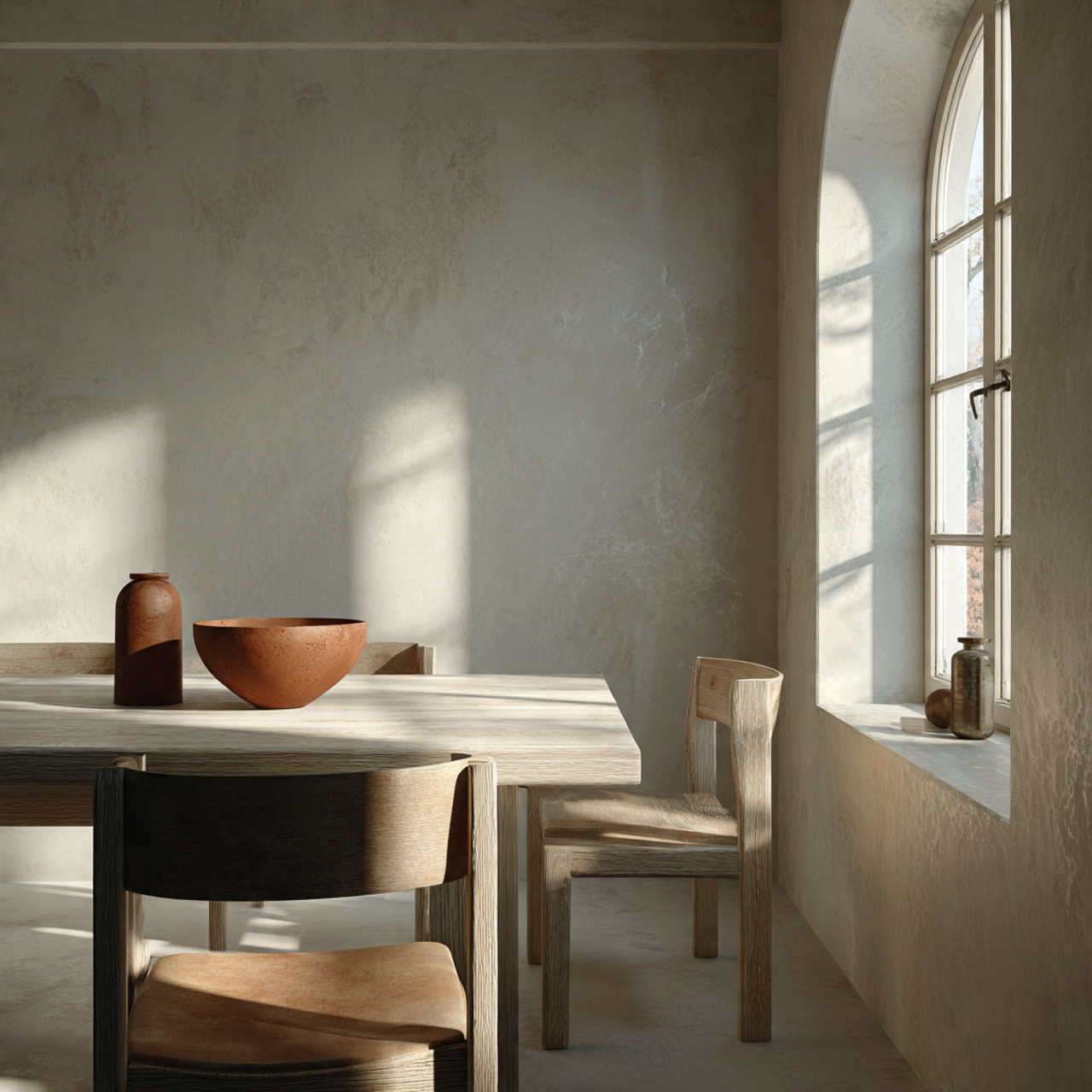
Some dining rooms feel calm because nothing is shouting for attention. This idea focuses on quiet, intentional choices.
Instead of many decorative pieces, choose just one or two items that feel meaningful. A simple bowl, artwork, or vase is often enough.
The room feels peaceful because everything has space to breathe, and nothing feels forced.
12. A Modern Minimalist Dining Room With Warm Natural Accents
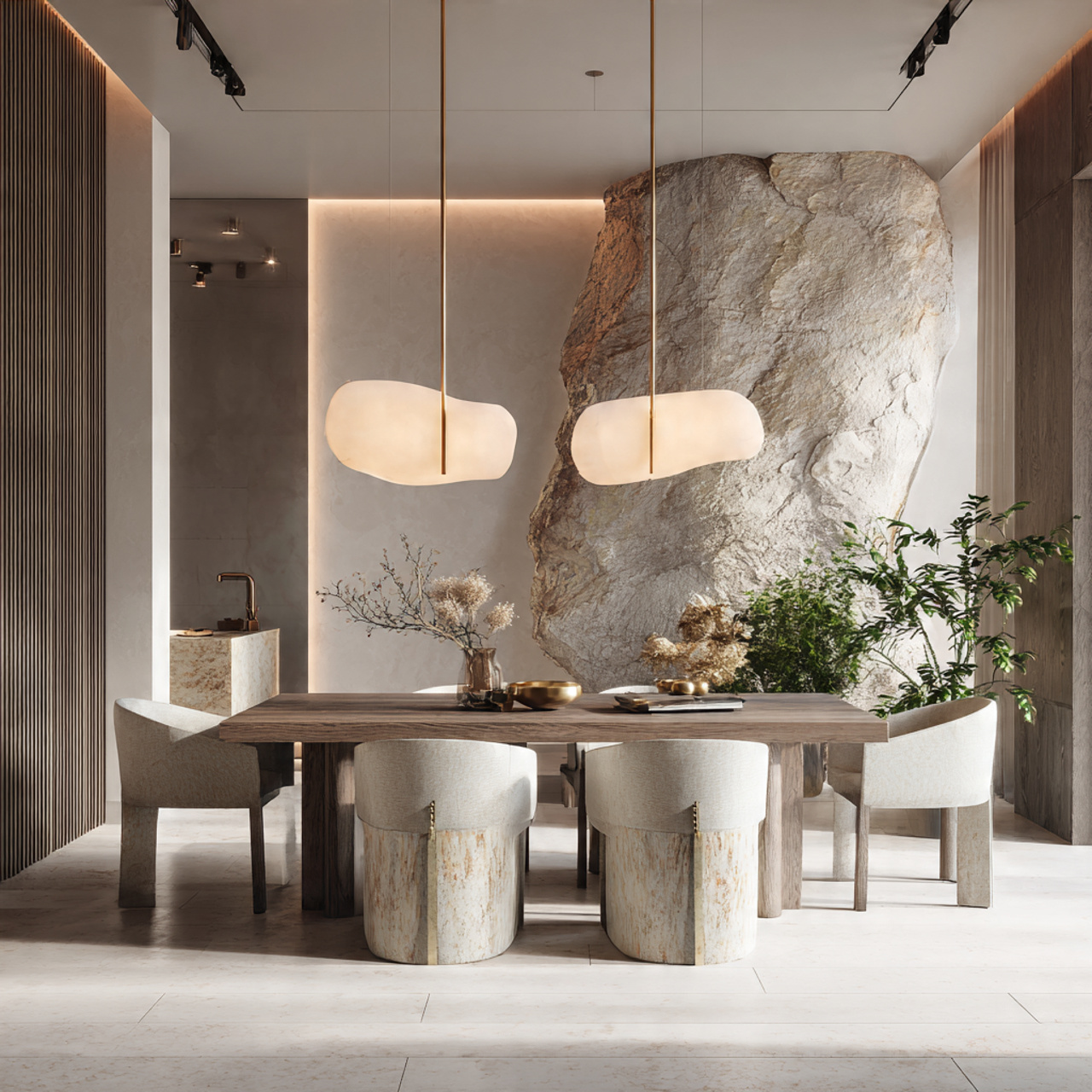
Modern minimalist dining rooms can still feel warm when balanced with natural elements.
This style often includes:
- Clean lined furniture
- Neutral color palettes
- Wood or stone accents
- Simple, sculptural lighting
The mix of modern and natural keeps the space from feeling too sharp or cold.
13. A Cozy Minimalist Dining Room That Feels Lived In, Not Styled
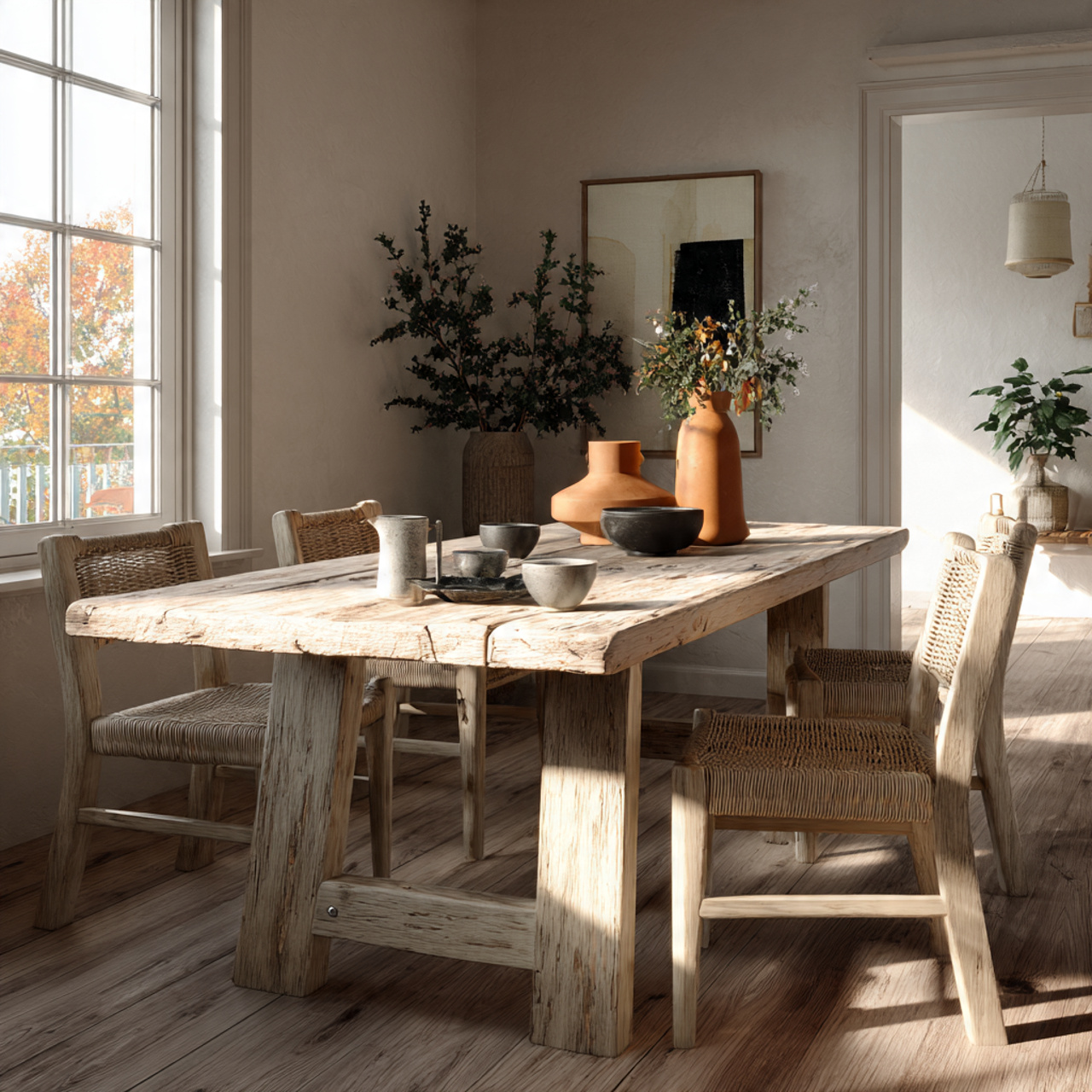
Some of the warmest dining rooms do not look perfect. They feel real, used, and comfortable.
A slightly worn table, mismatched chairs, or everyday items left out can add charm. These small imperfections make the space feel human.
Minimalism does not have to feel strict. It can feel relaxed and personal.
14. A Clean Dining Space That Uses Negative Space Beautifully
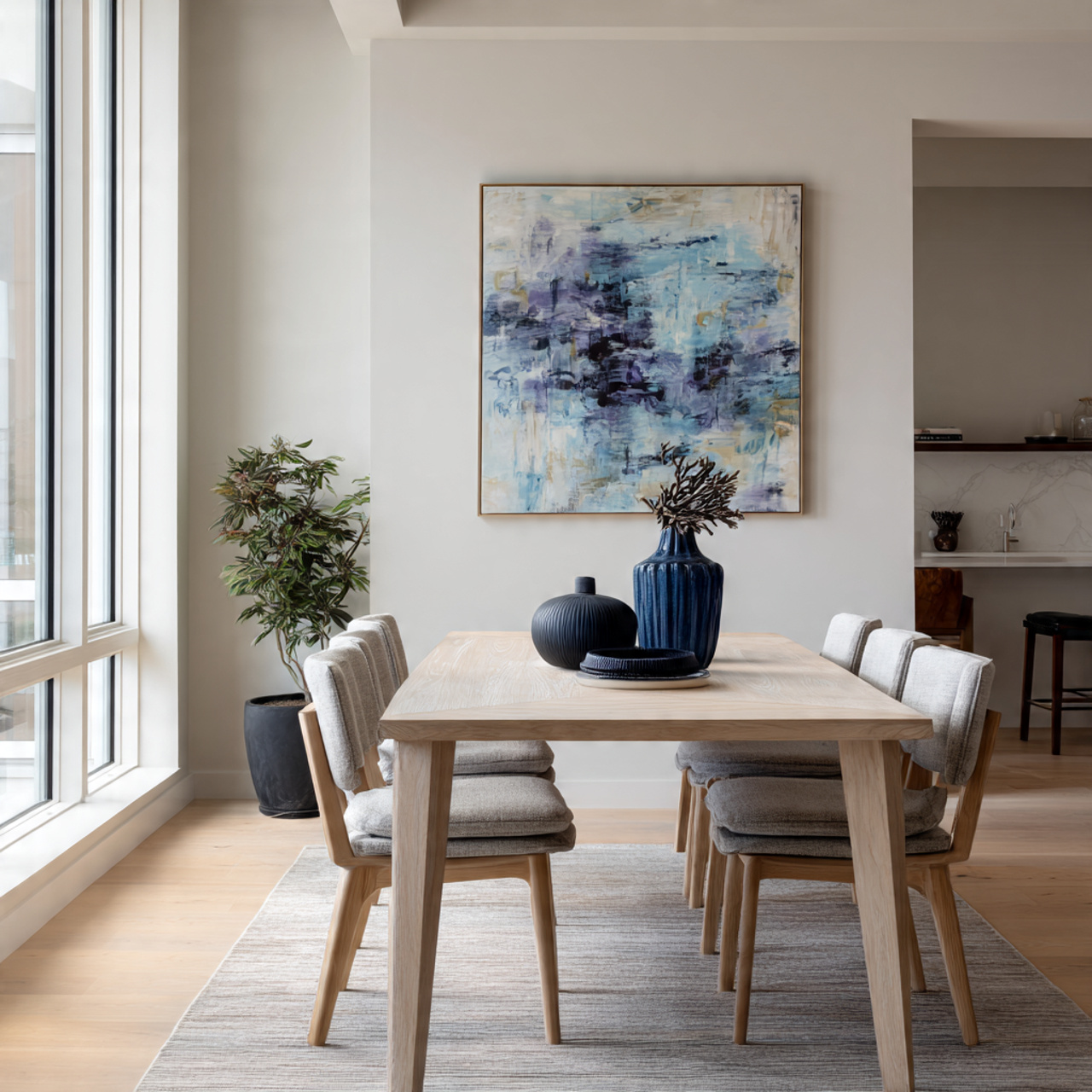
Negative space is one of the most powerful tools in minimalist design. Empty areas help the room feel calm and uncluttered.
In dining rooms, this means leaving walls mostly bare and avoiding unnecessary furniture. The room feels lighter and more peaceful.
When done right, negative space makes the items you do have feel more special.
15. A Simple Dining Room That Blends Modern and Organic Elements
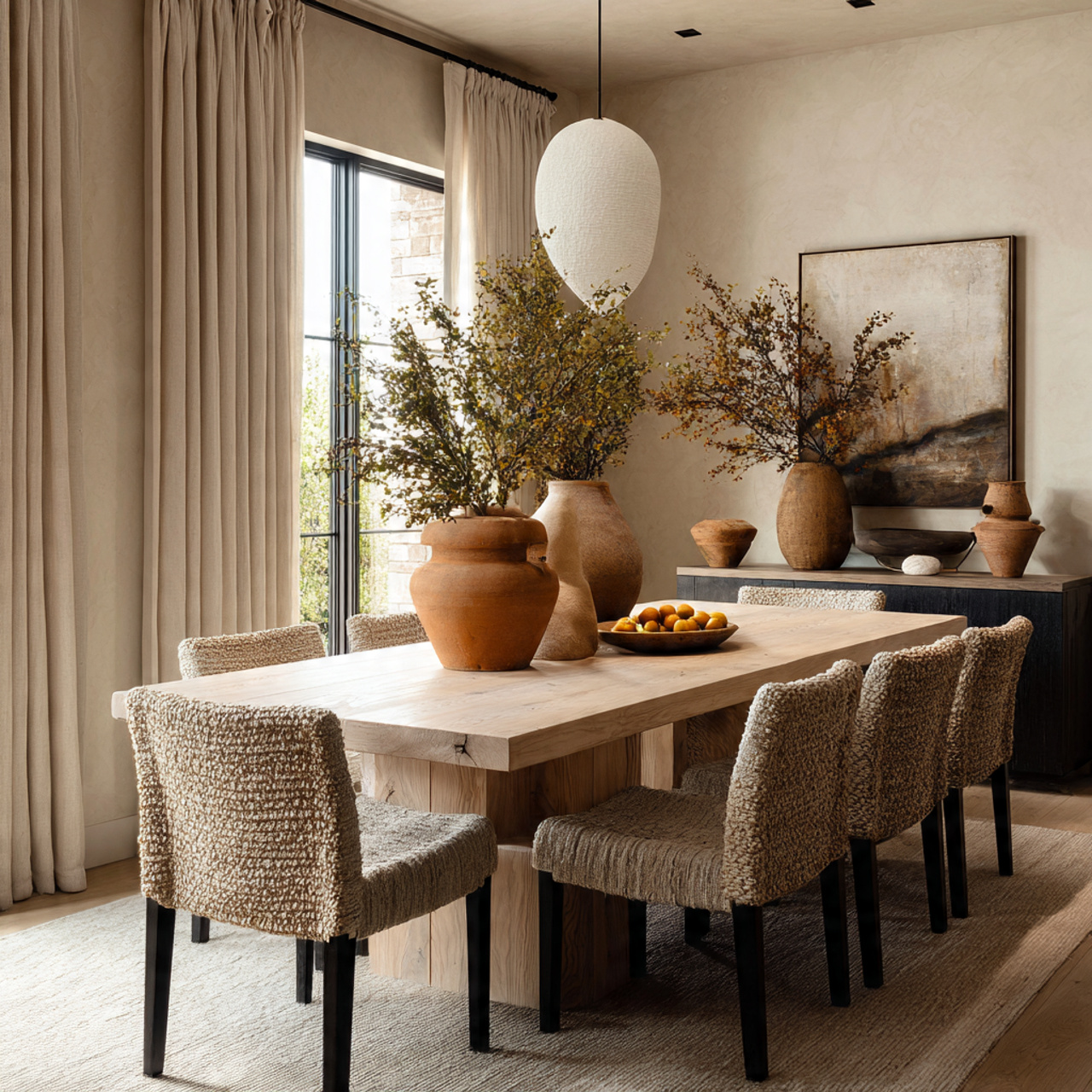
Blending modern and organic elements creates balance. Straight lines meet soft textures, and the room feels both fresh and welcoming.
For example, a modern table paired with woven chairs or a ceramic centerpiece softens the overall look.
This contrast keeps the dining room interesting without breaking the minimalist feel.
16. A Minimalist Dining Room Designed for Slow, Comfortable Meals
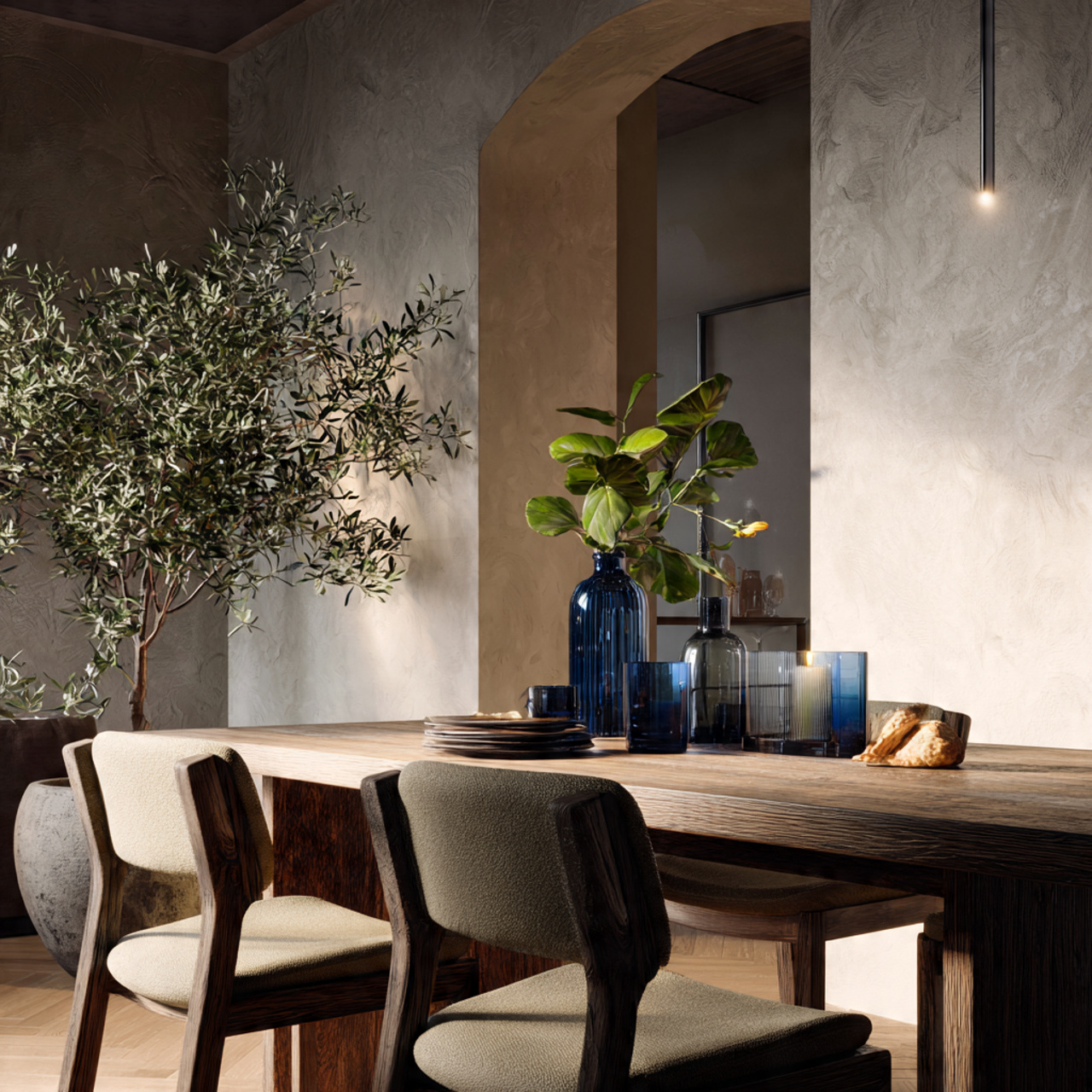
The most inviting dining rooms encourage people to slow down. This idea focuses on comfort, warmth, and ease.
Here are small details that support this feeling:
- Soft lighting
- Comfortable chairs
- Calm colors
- Minimal distractions
When a room supports slow meals, it naturally feels warm and welcoming.
Conclusion
A warm minimalist dining room is not about doing more, it is about choosing better. With thoughtful materials, soft colors, and comfortable pieces, minimalism becomes cozy, personal, and easy to live with every day.