Lighting quietly shapes how every meal feels. In a modern dining room, the right light can make quick breakfasts calmer, family dinners warmer, and slow evenings feel special without trying too hard. These ideas focus on mood, balance, and everyday beauty.
1. Sculptural Pendant Lighting as a Dining Table Statement
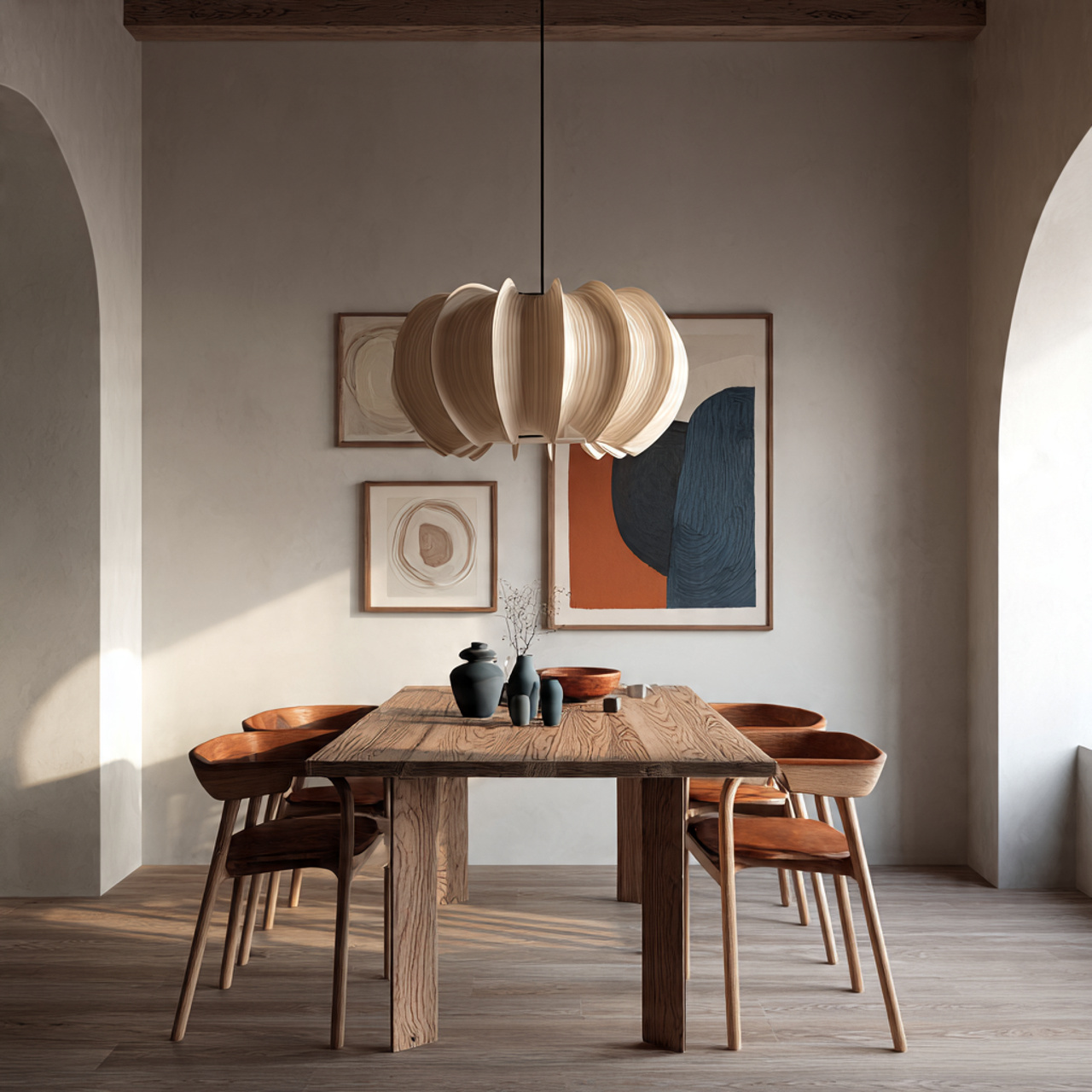
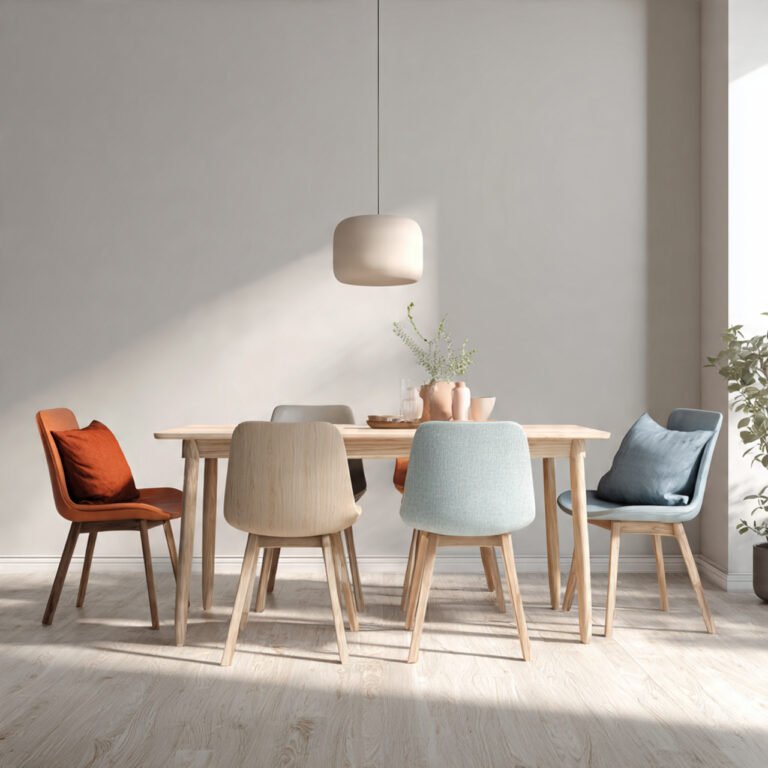
A sculptural pendant instantly becomes the visual anchor of a modern dining room. It draws the eye upward and gives the space personality, even when the rest of the room stays simple and neutral.
The beauty of sculptural lighting is that it feels like functional art. Curved forms, soft edges, or bold silhouettes add interest without clutter. When centered over the table, the light frames meals and conversations naturally.
These designs often work best when the surrounding decor is calm. Clean walls, simple chairs, and a natural table surface allow the pendant to shine without competing for attention.
Popular sculptural styles include
- Organic shapes with soft curves
- Minimal metal frames with open space
- Textured materials like plaster or woven fibers
2. Soft Globe Chandeliers for a Warm, Even Glow
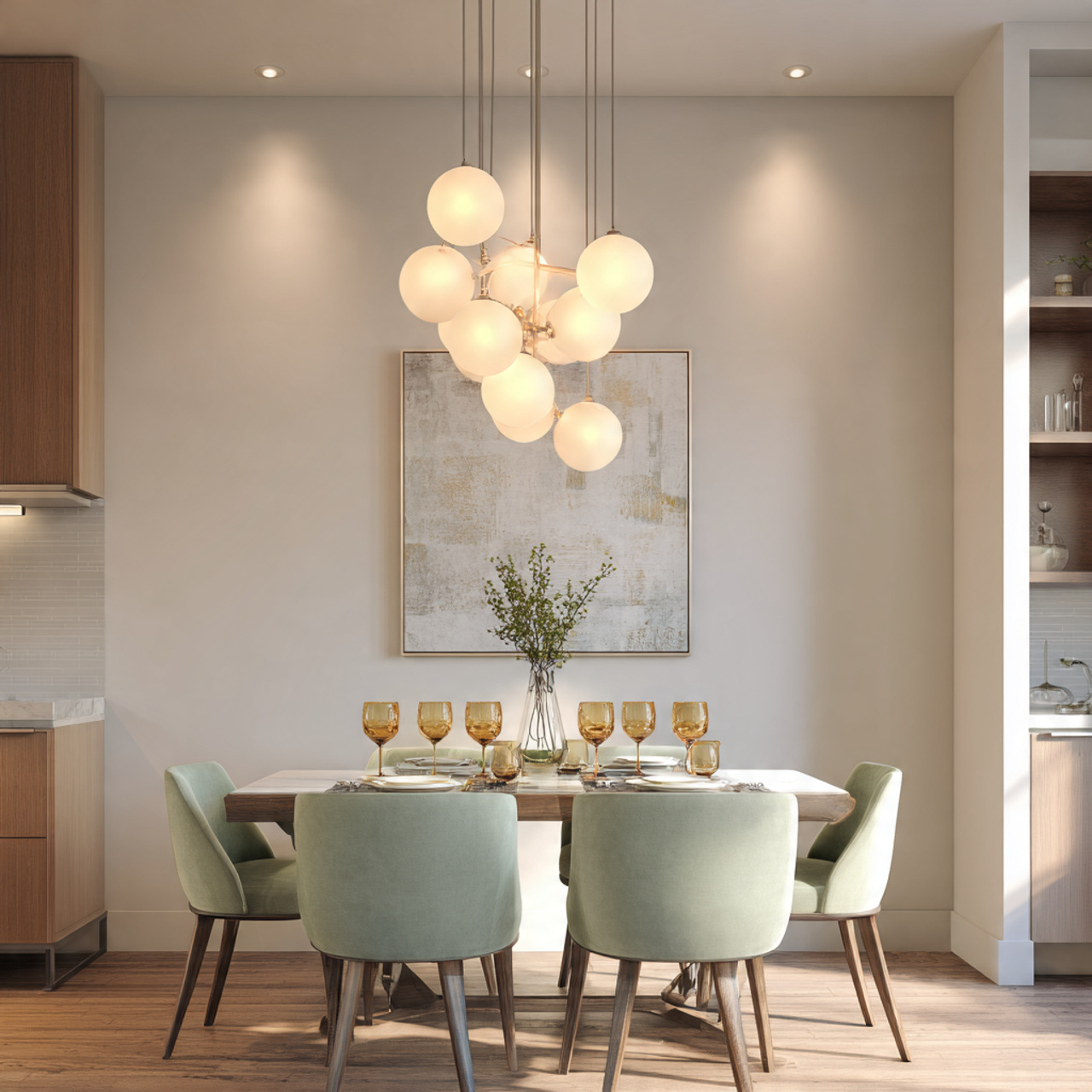
Globe chandeliers bring a gentle softness that works beautifully in modern dining spaces. Their rounded shapes spread light evenly, helping the room feel welcoming rather than sharp or overly dramatic.
This type of lighting feels especially comfortable for everyday meals. It avoids harsh shadows and creates a glow that flatters both the space and the people sitting around the table.
Clear, frosted, or lightly tinted globes each offer a slightly different mood. Frosted finishes feel calm and cozy, while clear glass leans more modern and airy.
Design details that enhance the look
- Warm white bulbs instead of cool tones
- Balanced spacing between globes
- Slim arms that keep the fixture light visually
3. Minimal Linear Lights for Long Dining Tables
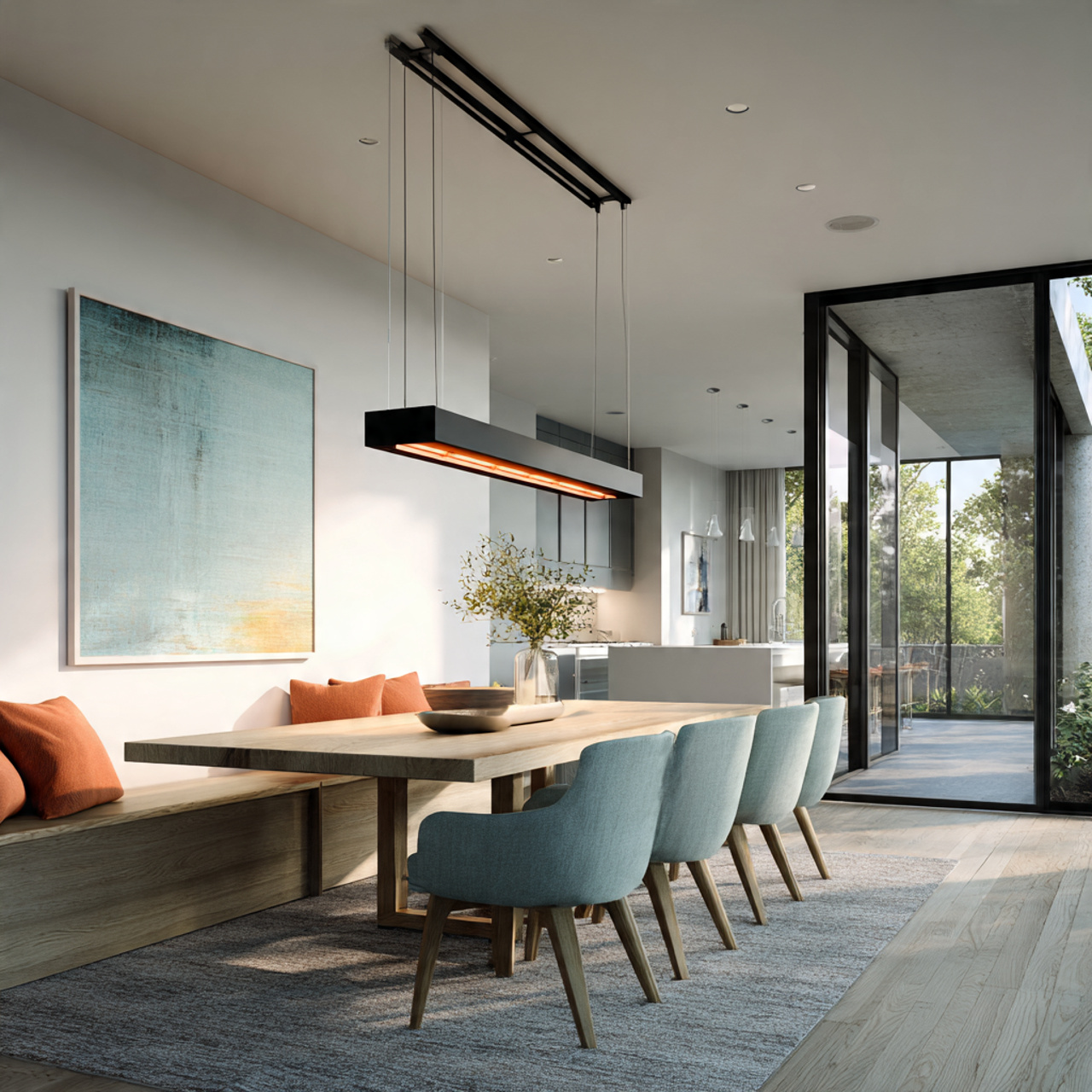
Linear lighting is a natural fit for long dining tables. Its horizontal shape mirrors the table below, creating a clean and intentional look that feels very modern.
This style works especially well in open plan spaces. It defines the dining area without walls, helping the table feel grounded and purposeful within a larger room.
The simplicity of a linear fixture allows other elements to shine, such as chairs, artwork, or a textured rug. The light quietly supports the room rather than dominating it.
Common finishes that work well
- Matte black for contrast
- Brushed brass for warmth
- Soft white for a seamless look
4. Layered Lighting with Pendants and Subtle Wall Sconces
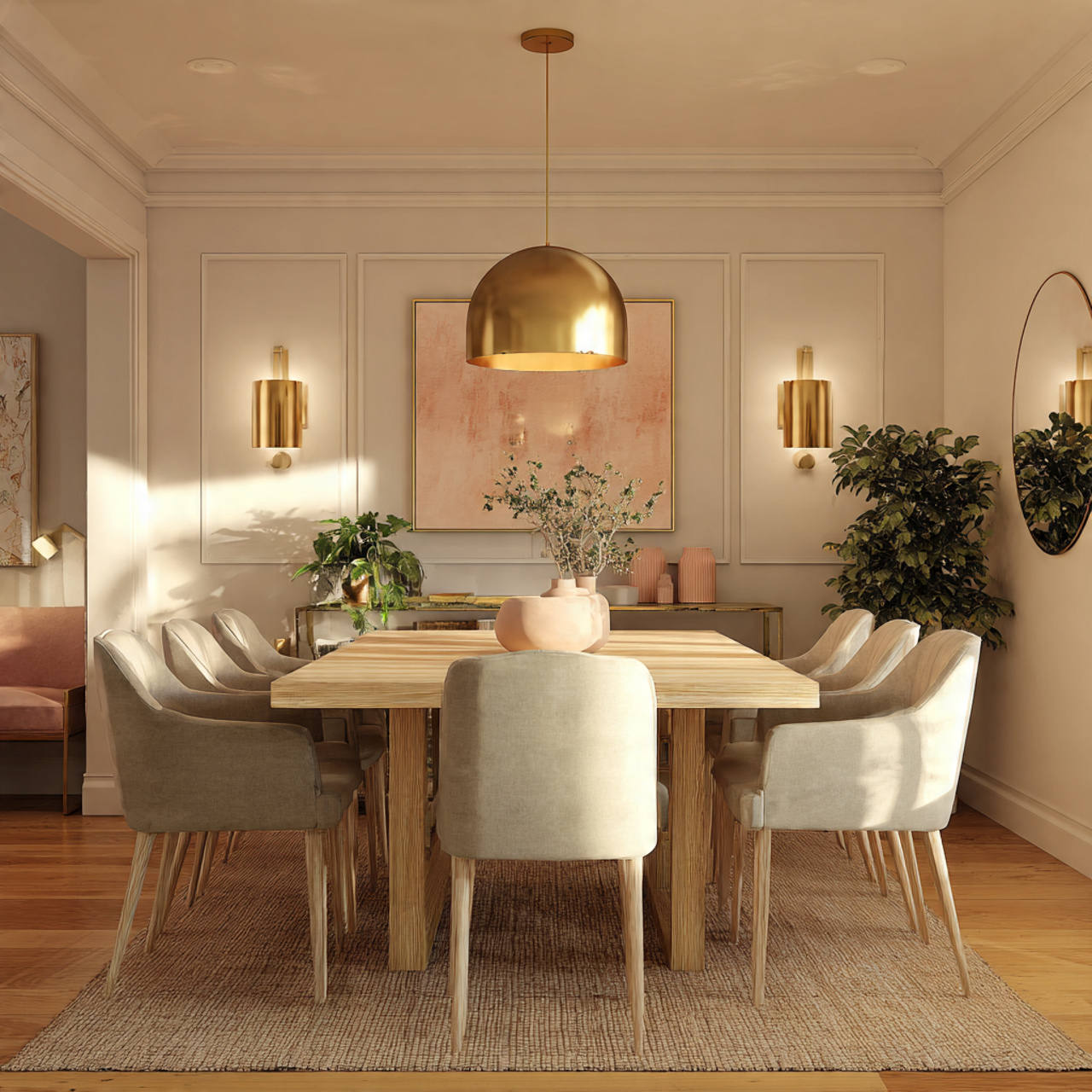
Layered lighting adds depth, which is essential for setting the right mood at different times of day. A pendant over the table paired with wall sconces creates a balanced and thoughtful atmosphere.
This approach keeps the room from feeling flat. While the pendant focuses on the table, sconces soften the edges of the space, making dinners feel more relaxed and intimate.
Wall lighting also brings flexibility. You can keep sconces on during casual meals or evening conversations when overhead lighting feels too bright.
Ways to keep layering subtle
- Choose sconces with soft diffused light
- Match finishes for a cohesive look
- Keep wall lighting slightly dimmer than the pendant
5. Matte Black Fixtures for a Modern, Moody Dining Space
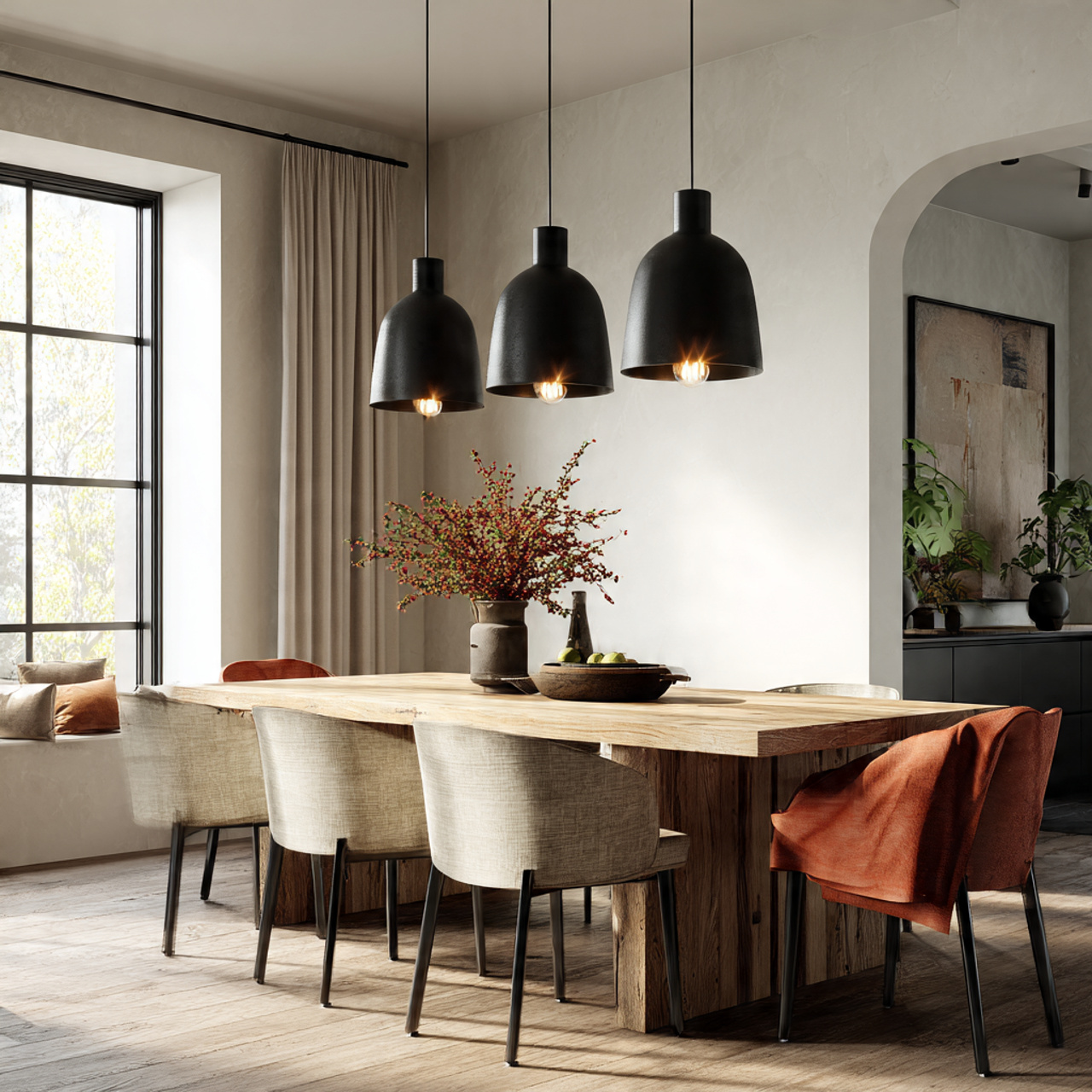
Matte black lighting adds instant modern edge. It feels confident without being loud and pairs beautifully with wood, stone, and neutral tones.
In dining rooms, black fixtures create contrast that helps the space feel intentional. Even simple furniture looks more polished when paired with bold, dark lighting.
This style works especially well in rooms with lighter walls or natural textures. The balance between dark and light keeps the room from feeling heavy.
Matte black works best when paired with
- Warm bulbs to soften the contrast
- Natural wood tables
- Soft fabrics like linen or wool
6. Glass and Brass Lighting for a Refined Contemporary Look
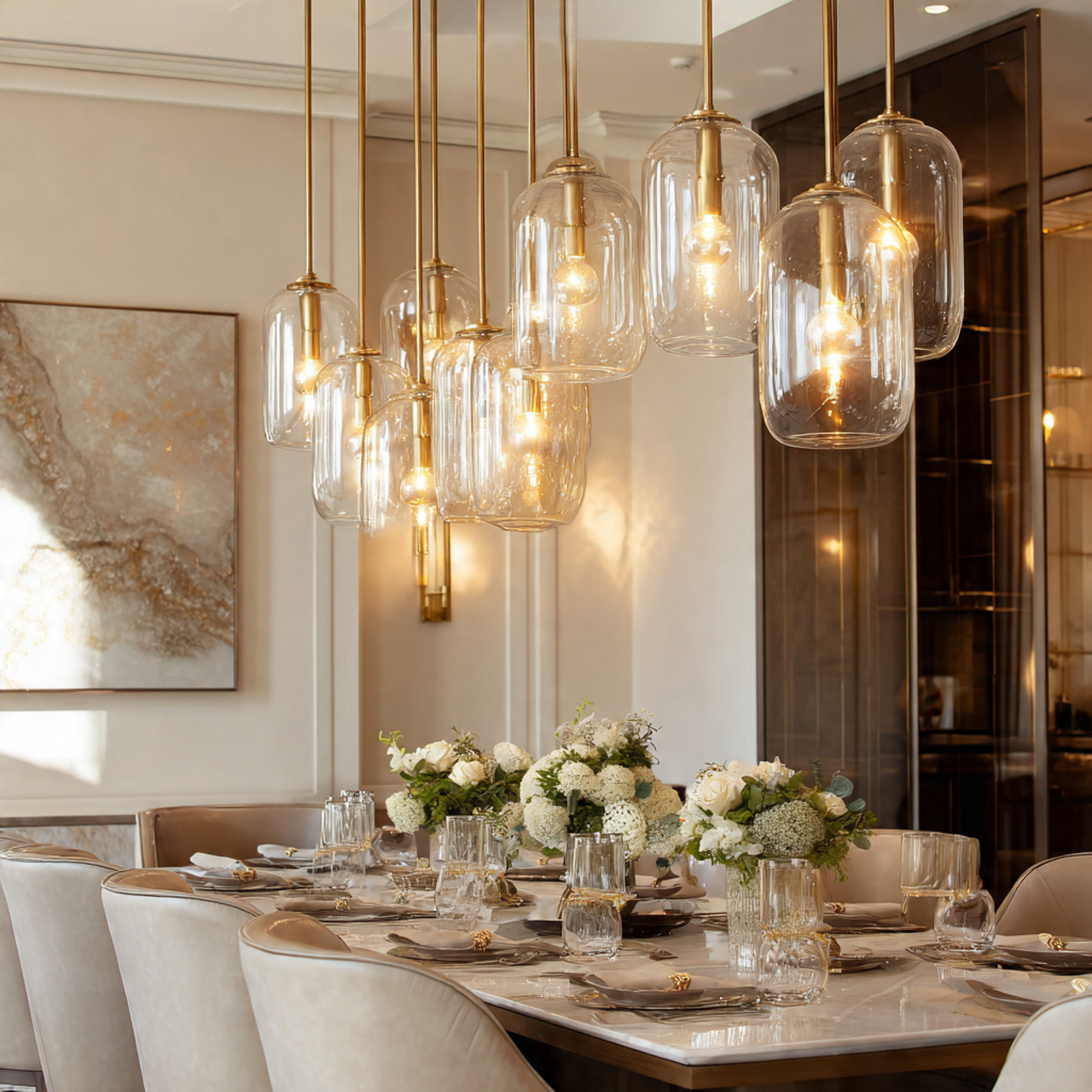
Glass and brass lighting feels timeless yet modern. The combination brings warmth, reflection, and a subtle sense of luxury that works for both everyday meals and special occasions.
Glass elements keep the fixture visually light, while brass adds depth and character. Together, they create a layered look that feels curated rather than trendy.
This style blends easily with many interiors, from minimal to transitional. It adds polish without demanding attention.
Details that elevate the look
- Brushed or aged brass finishes
- Clear or lightly tinted glass
- Simple shapes with clean lines
7. Low Hanging Pendants That Create Intimate Dinner Atmosphere
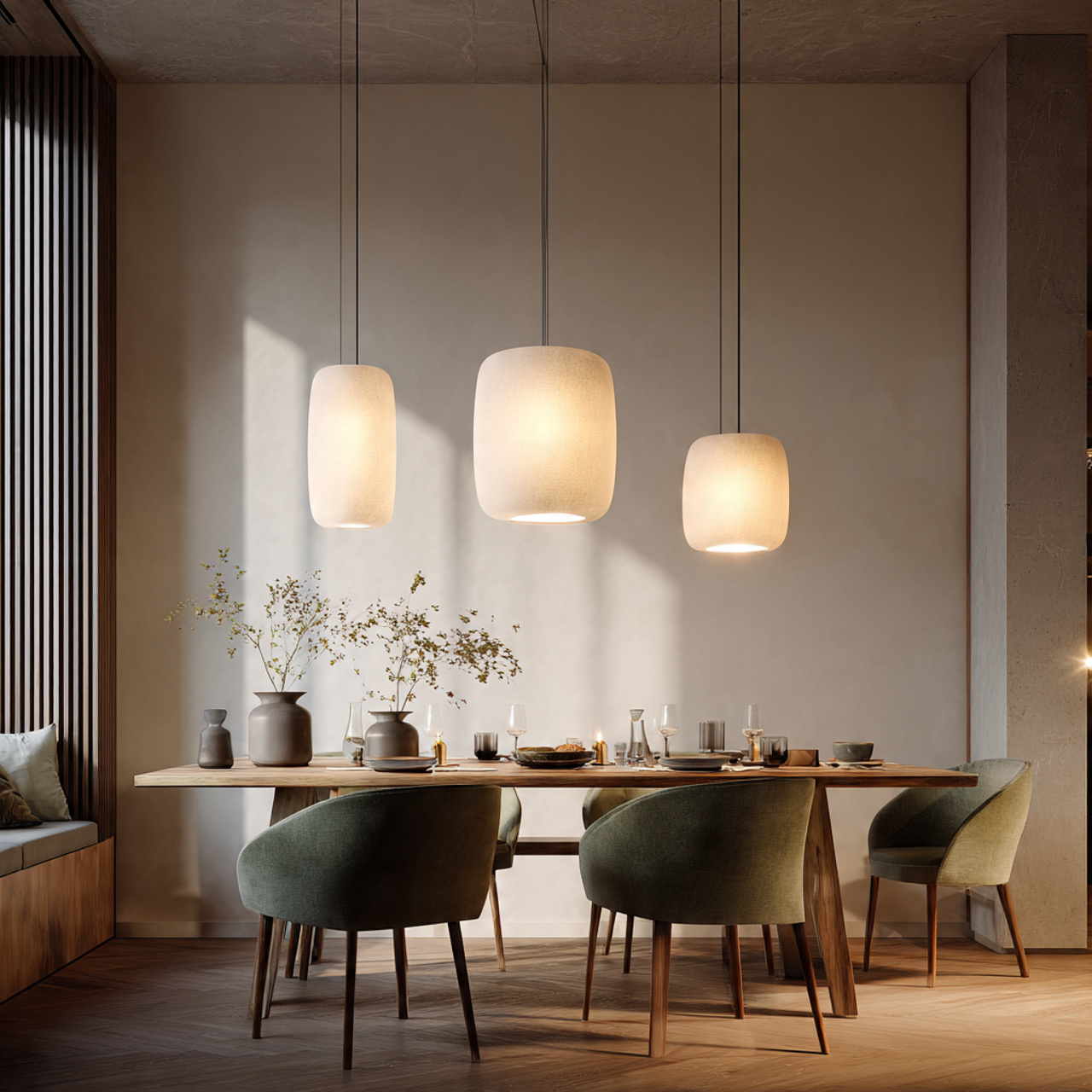
Lowering pendant lights closer to the table instantly changes the mood. It creates a sense of closeness, making meals feel more personal and focused.
This approach works well in dining rooms where you want to encourage conversation. The light forms a gentle boundary around the table, separating it from the rest of the room.
The key is balance. Pendants should hang low enough to feel cozy, but high enough to avoid blocking sightlines across the table.
Helpful tips for placement
- Center lights carefully over the table
- Use softer bulbs to avoid glare
- Keep the fixture proportional to the table size
8. Dimmable Lighting Setups for Daytime and Evening Dining
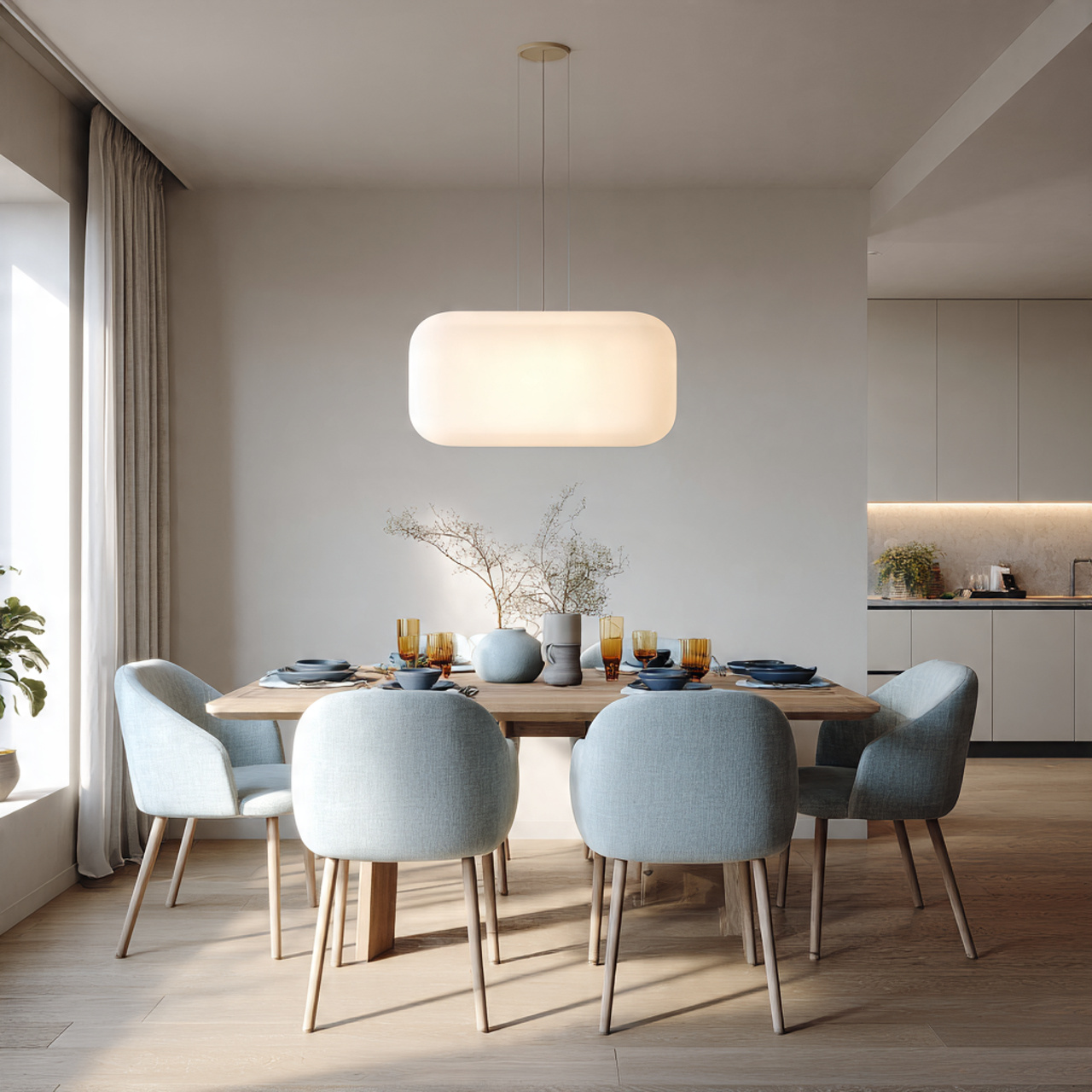
Dimmable lighting offers flexibility that modern dining rooms truly benefit from. One fixture can support bright morning meals and soft evening dinners with ease.
This adaptability makes the room more livable. You do not need separate lights for different moods, just a thoughtful setup that adjusts as the day changes.
Dimming also helps lighting blend into the background. Instead of commanding attention, it quietly supports the atmosphere you want.
Situations where dimming shines
- Hosting evening dinners
- Relaxed weekend meals
- Transitioning from day to night
9. Clustered Pendant Lights for Artistic Visual Interest
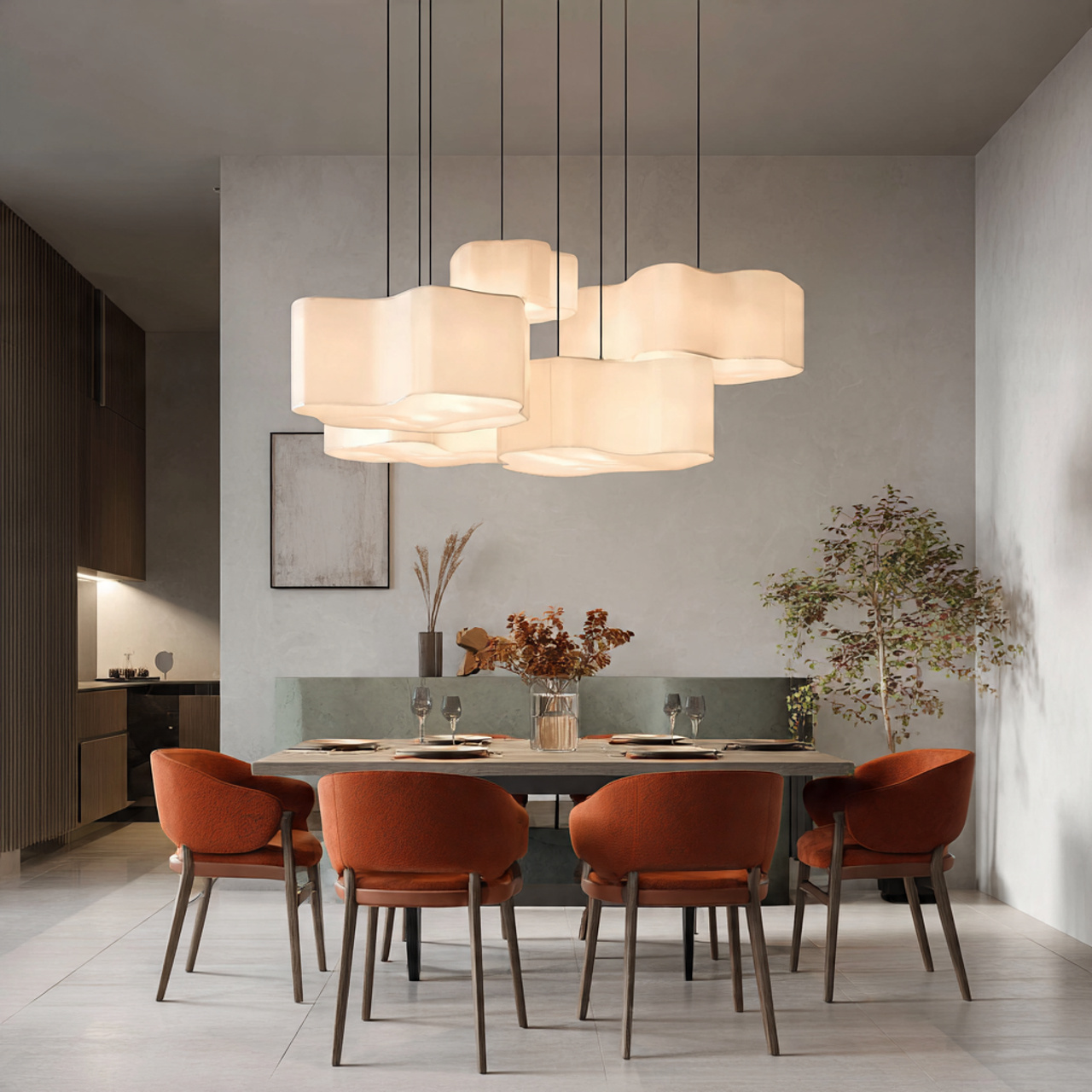
Clusters of pendant lights bring an artistic, gallery-like feel to the dining room. Instead of a single fixture, multiple lights work together to create movement and rhythm.
This style feels playful yet modern. It allows for creativity while still maintaining structure, especially when the pendants share a common shape or finish.
Clustered lighting works best when thoughtfully arranged. Spacing and height variations should feel intentional, not random.
Ways to keep clusters cohesive
- Stick to one color or material
- Vary heights slightly for interest
- Keep bulb temperature consistent
10. Warm LED Lighting That Feels Inviting, Not Harsh
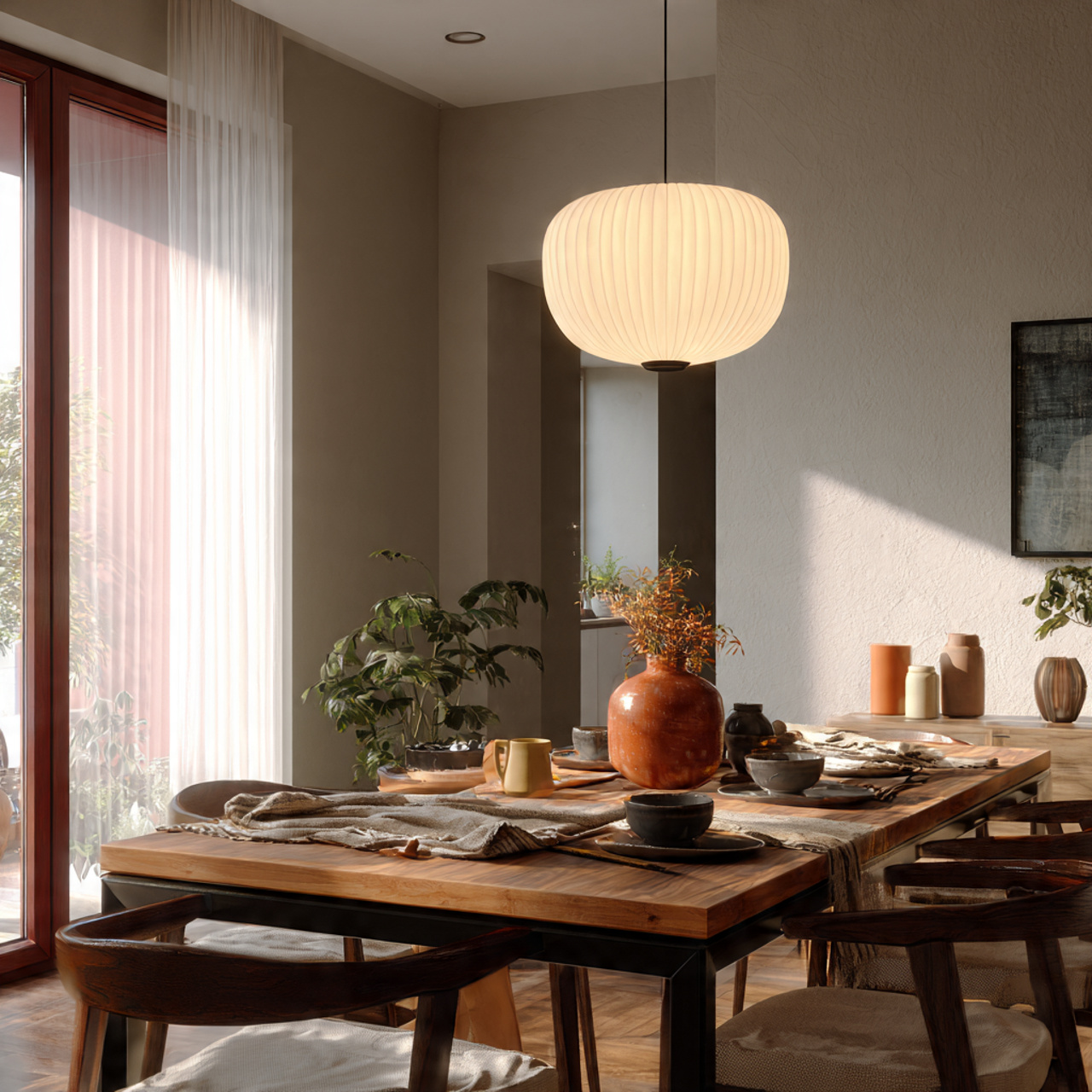
LED lighting has come a long way, and warm options now feel just as inviting as traditional bulbs. In dining rooms, warmth is essential for comfort and mood.
Cool lighting can feel sterile, while warm LEDs create a relaxed environment that encourages lingering at the table. This small choice makes a big difference.
Look for LEDs designed specifically for living spaces. They offer energy efficiency without sacrificing atmosphere.
What to look for in warm LEDs
- Color temperatures around 2700K
- Soft diffused covers
- High quality light output
11. Oversized Statement Lights That Anchor the Dining Room
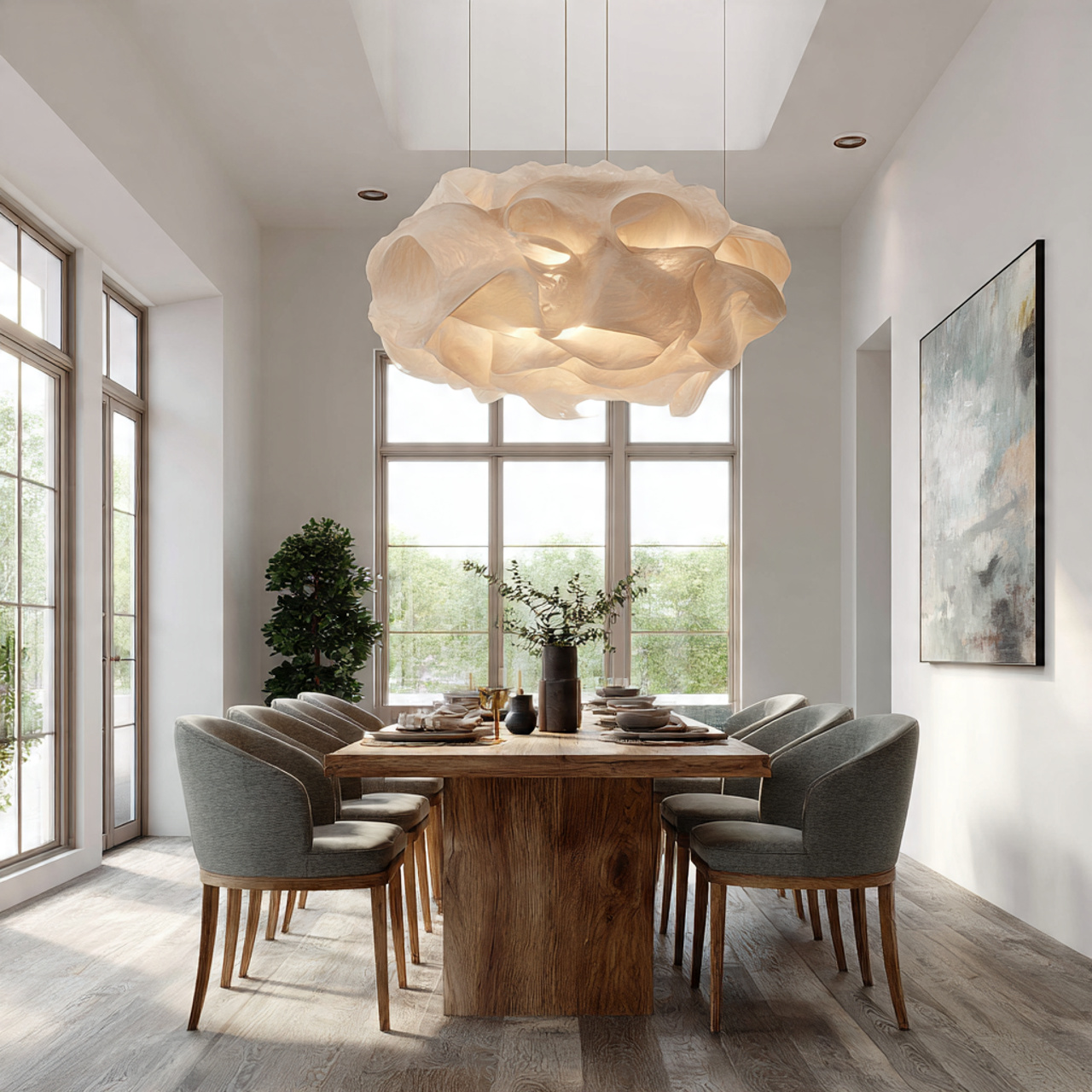
An oversized light fixture can anchor a dining room and give it a strong sense of identity. It helps the table feel grounded, especially in open or high ceiling spaces.
Large fixtures create confidence. They suggest intention and make the dining area feel complete, even with minimal furniture and decor.
The key is proportion. The light should feel bold but balanced, complementing the table rather than overpowering it.
Oversized lighting works best with
- Simple dining tables
- Neutral color palettes
- Plenty of surrounding space
Conclusion
Modern dining room lighting is less about rules and more about how you want the space to feel. When lighting supports comfort, warmth, and everyday living, meals naturally become more enjoyable. Whether you prefer soft glows or bold statements, the right light quietly shapes moments that matter.