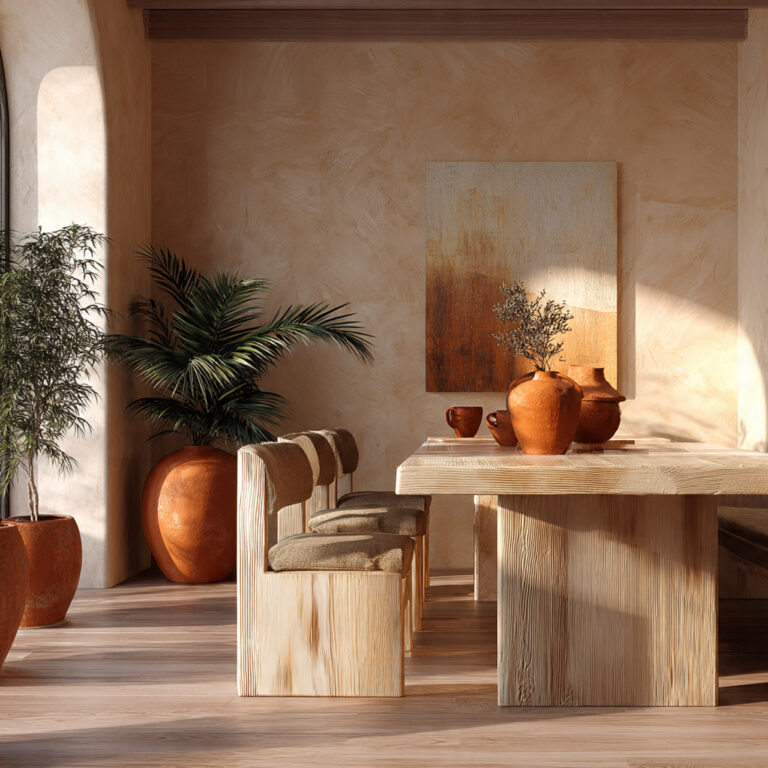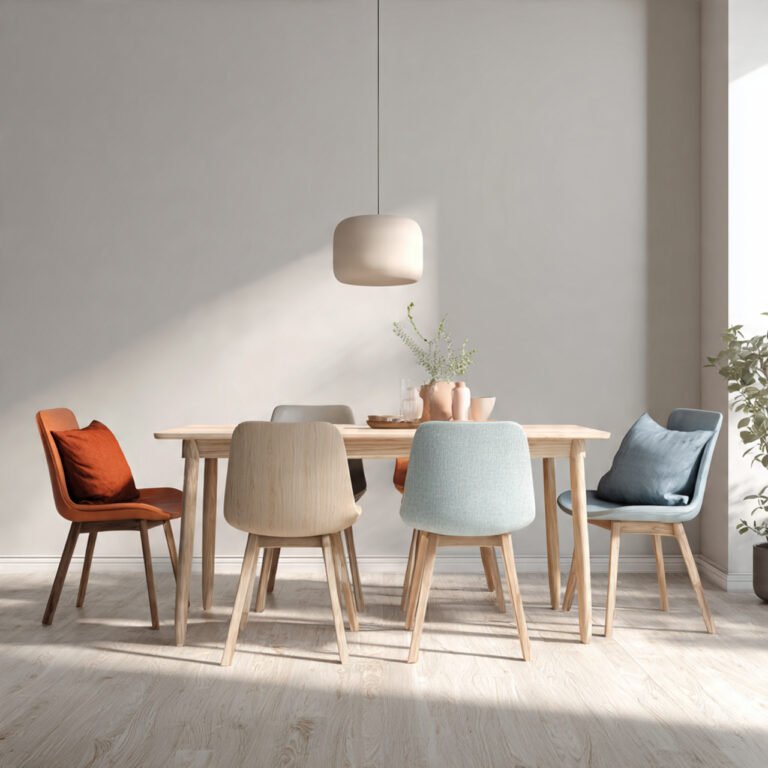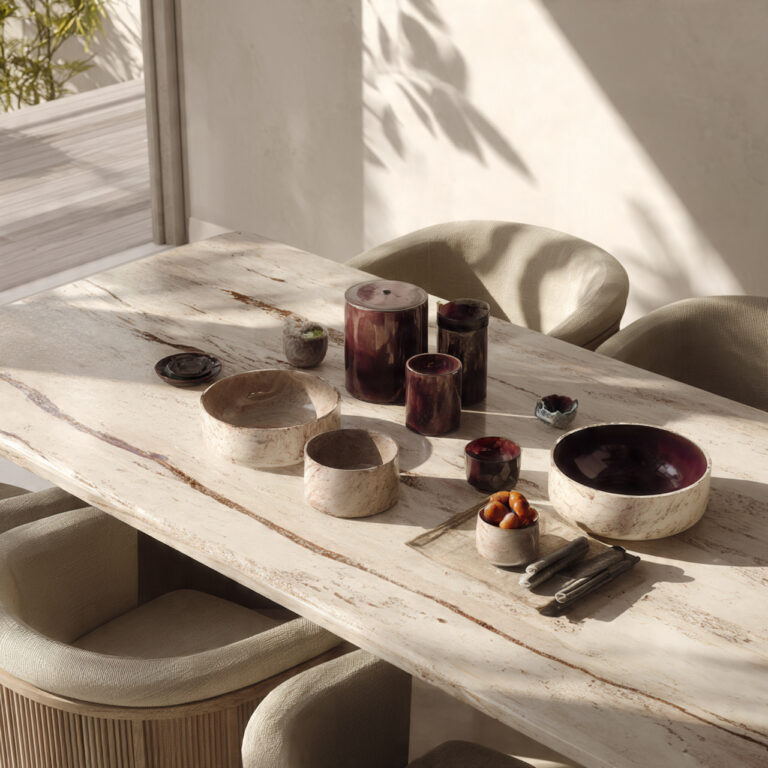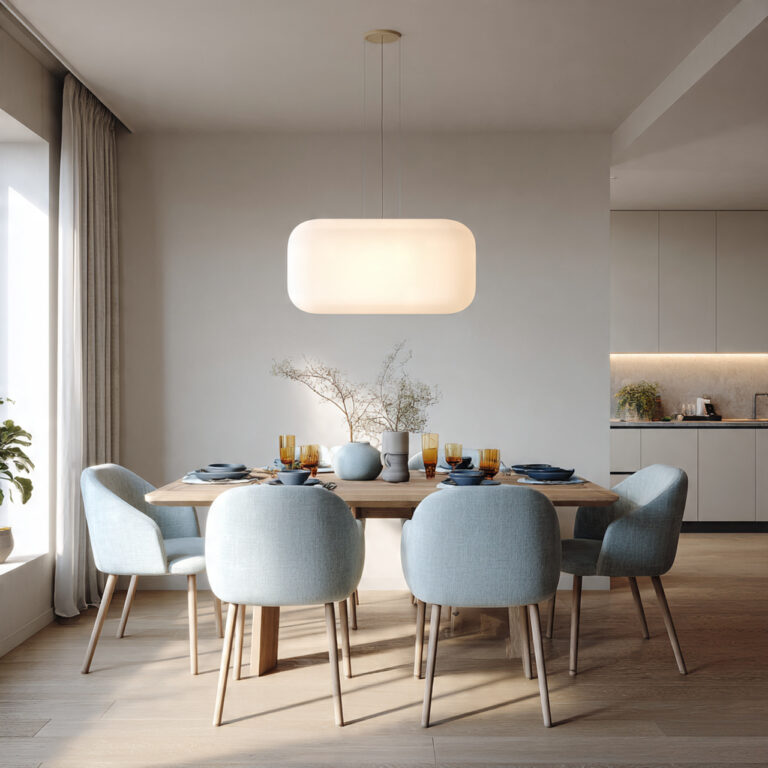
In most houses, there isn’t a lot of space allocated for the dining room, and this could make your dining space small, the repercussion of this is that there’s not enough ideas on how to design it.
However, a small dining room can still feel comfortable, stylish, and easy to use. With a few thoughtful decor choices, even the tightest dining area can feel open and welcoming without losing its purpose or personality.
1. Light Neutral Dining Space That Feels Open and Airy
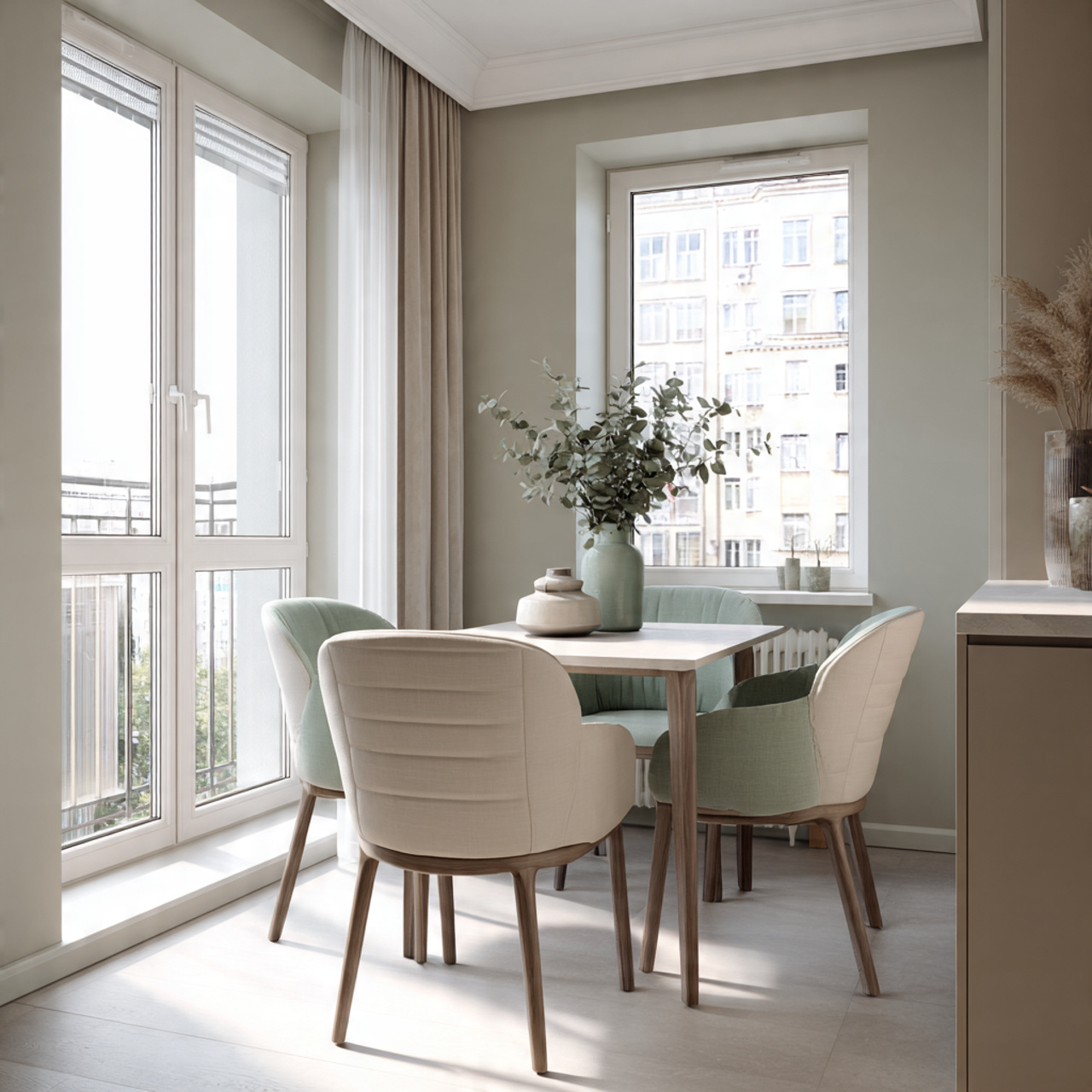
Light colors instantly help a small dining room feel more spacious. Soft whites, warm beiges, pale greys, and light taupes reflect light instead of absorbing it.
I have noticed that neutral walls make furniture blend in more easily, which reduces visual clutter. The room feels calmer, brighter, and easier to move around, even when space is limited.
Keeping the color palette simple also allows small decor details to stand out gently without overwhelming the room.
2. Round Dining Table That Improves Flow in Tight Rooms
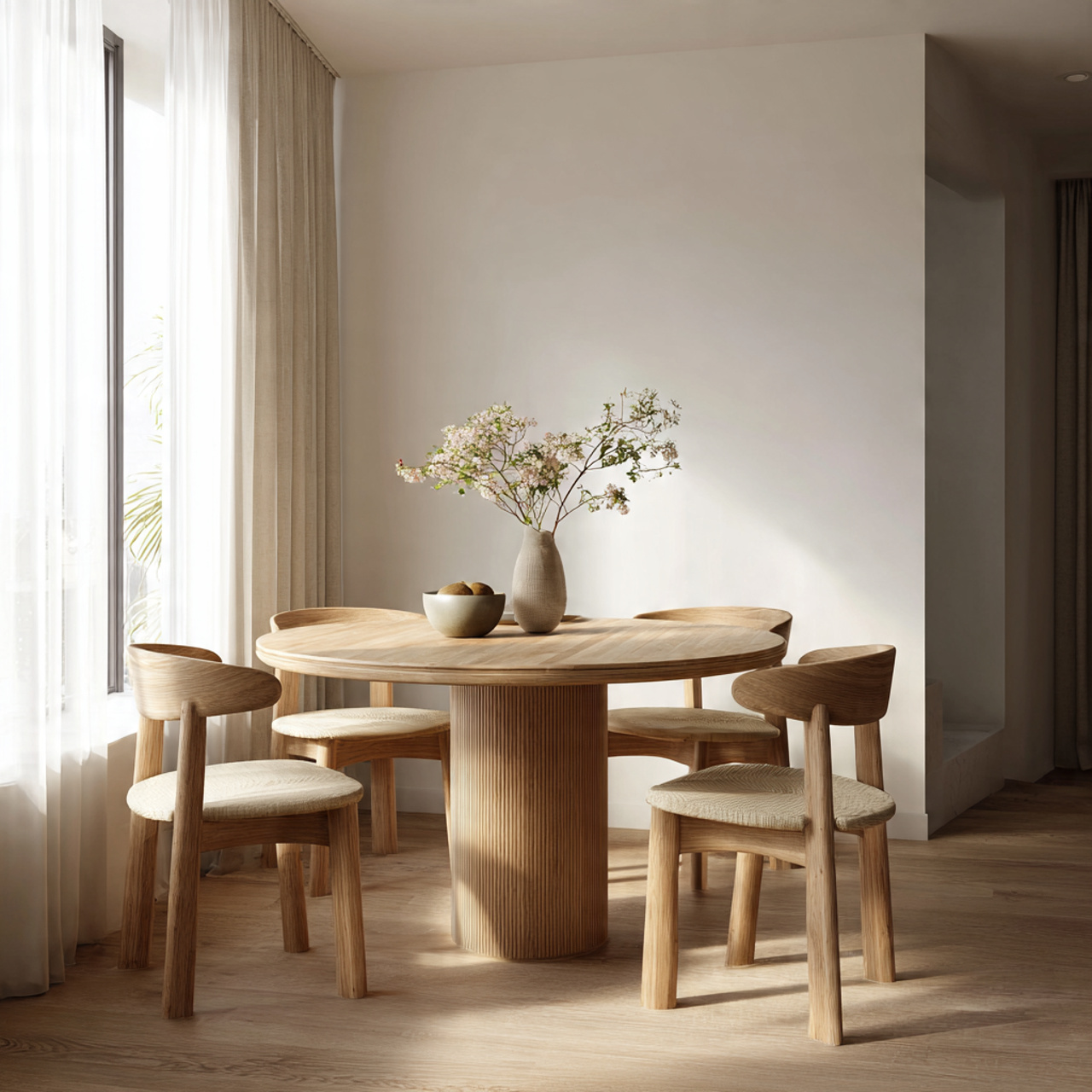
Round tables are one of the easiest ways to improve movement in a small dining room. Without sharp corners, the space feels smoother and more flexible.
They allow chairs to be spaced more evenly, which makes sitting and standing feel less cramped. I have found that round tables work especially well in square or awkward layouts.
A small pedestal base can further reduce visual bulk and free up legroom.
3. Slim Dining Chairs That Tuck Away Easily
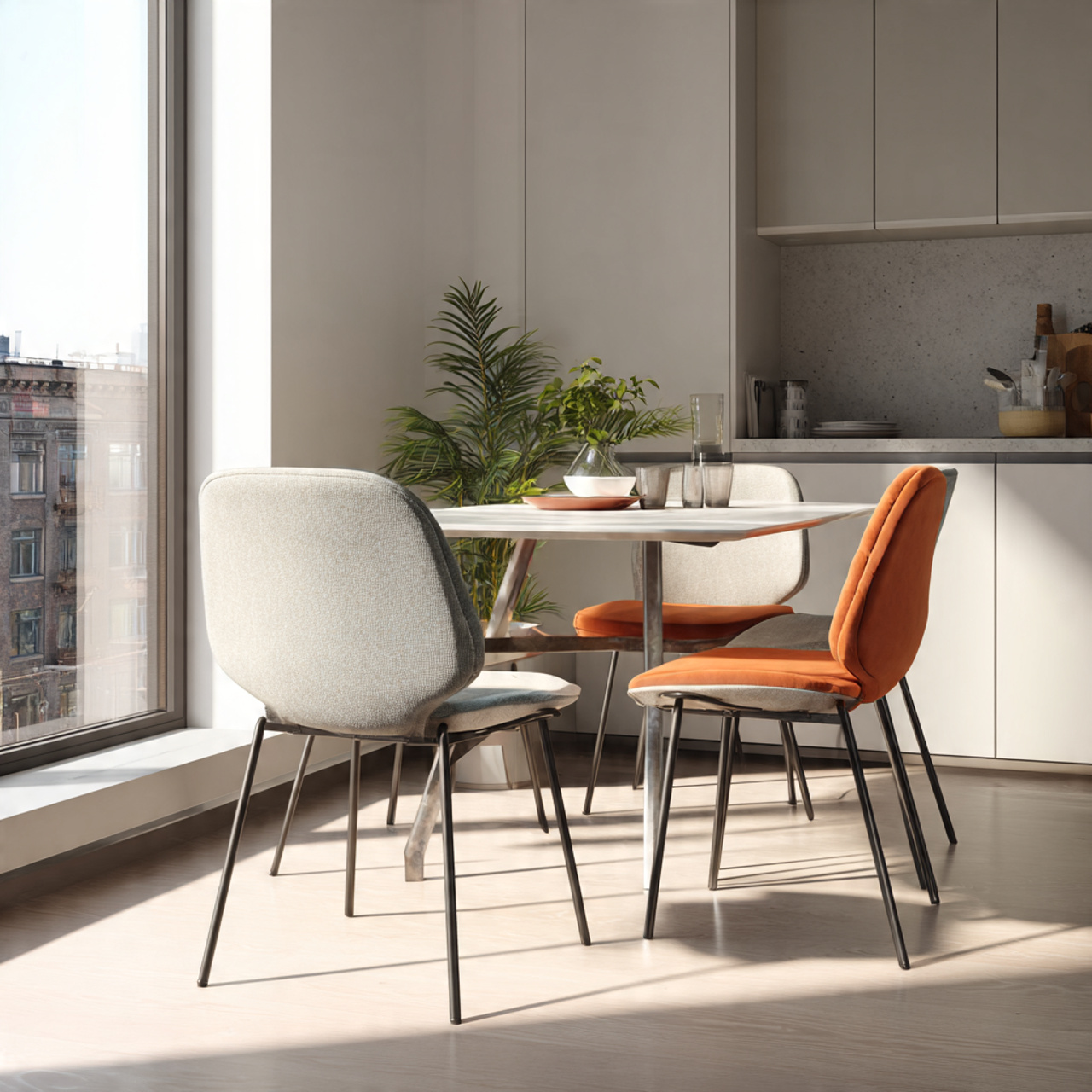
Bulky chairs can quickly overwhelm a small dining area. Slim, lightweight chairs help maintain openness while still offering comfort.
Look for chairs with narrow frames, open backs, or minimal detailing. These styles visually disappear more than heavy upholstered seating.
Helpful chair features include:
- Slim legs or metal frames
- Low or no armrests
- Stackable or easy to move designs
- Light wood or neutral finishes
4. Built-In Bench Seating That Maximizes Every Inch
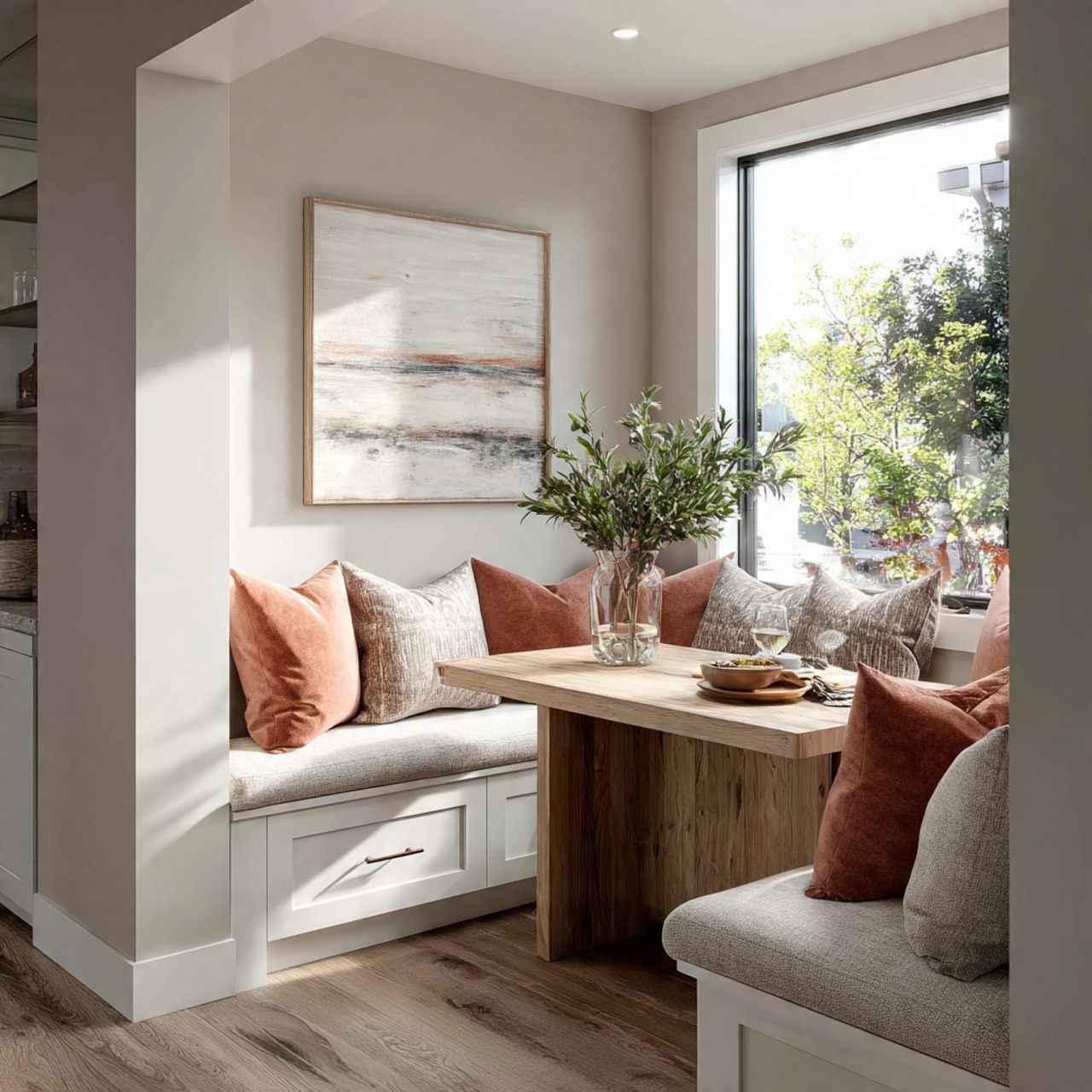
Bench seating is a smart solution when space is tight. It allows you to seat more people while keeping the footprint small.
Placing a bench against a wall saves space and creates a cozy, intentional dining nook. I have seen this work beautifully in apartments and small homes.
If possible, choose a bench with hidden storage to make the most of every inch.
5. Minimal Wall Art That Keeps the Room Uncluttered
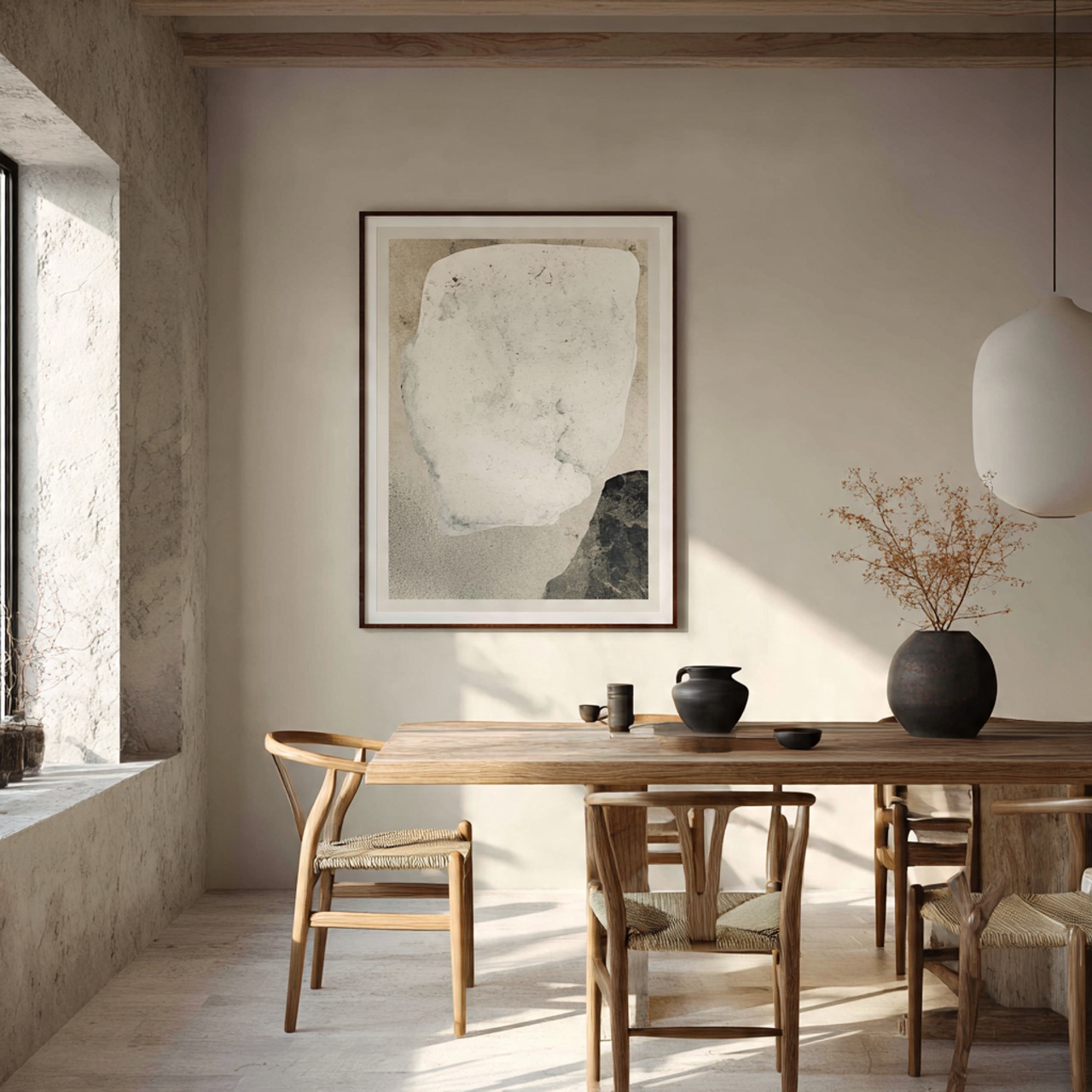
Wall decor should enhance the space, not crowd it. In a small dining room, less truly feels like more.
Choose one or two simple pieces rather than a full gallery wall. This keeps the room visually calm and open.
Art with light backgrounds or simple shapes works best for maintaining an airy feel while still adding personality.
6. Compact Dining Set Scaled for Small Spaces
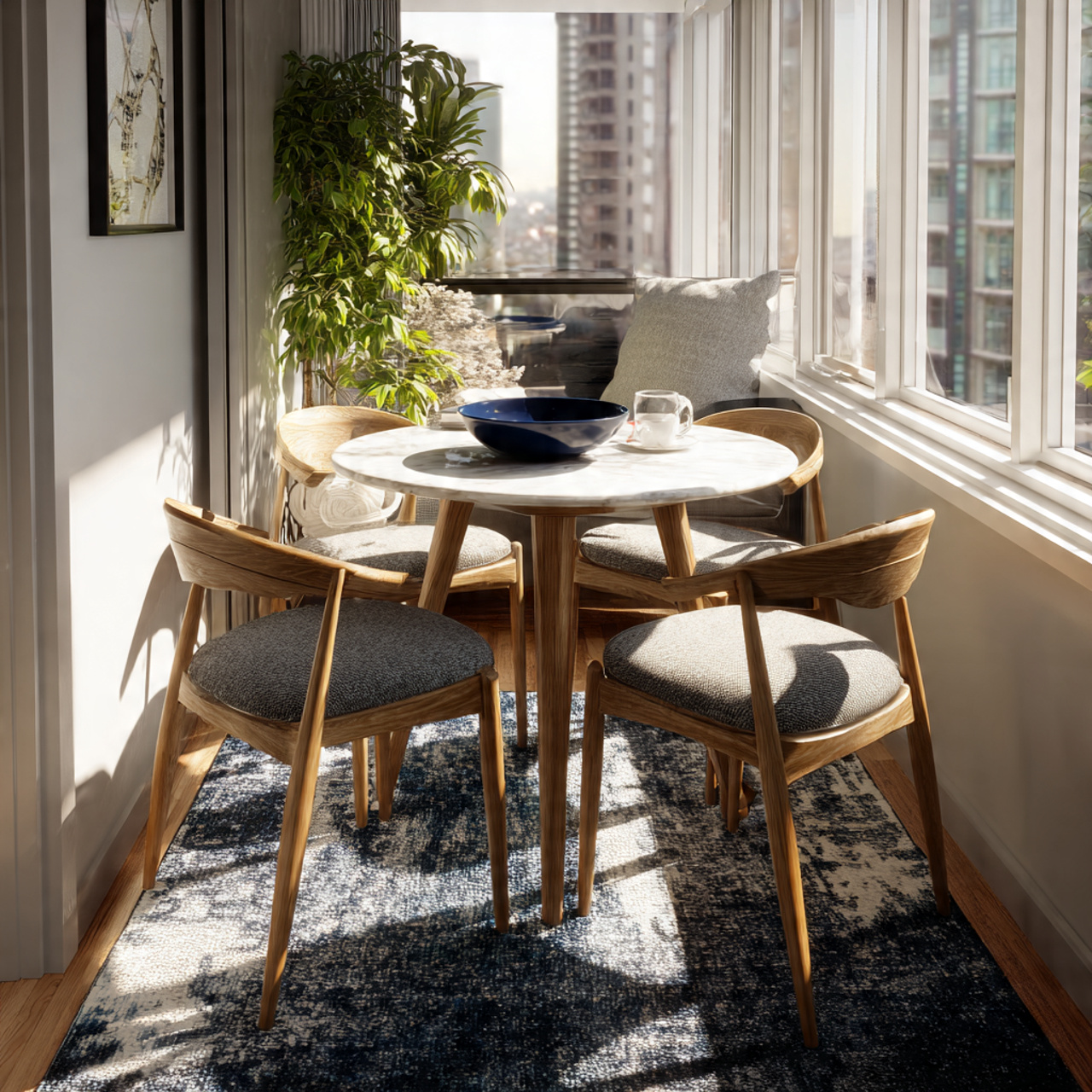
Furniture that is too large can make a small dining room feel cramped instantly. Choosing a dining set scaled for smaller rooms makes a big difference.
I have learned that it is better to size down slightly than squeeze in oversized pieces. Comfort comes from ease of movement, not just seating capacity.
Look for compact tables and chairs designed specifically for apartments or small homes.
7. Floating Shelves Used as Subtle Dining Storage
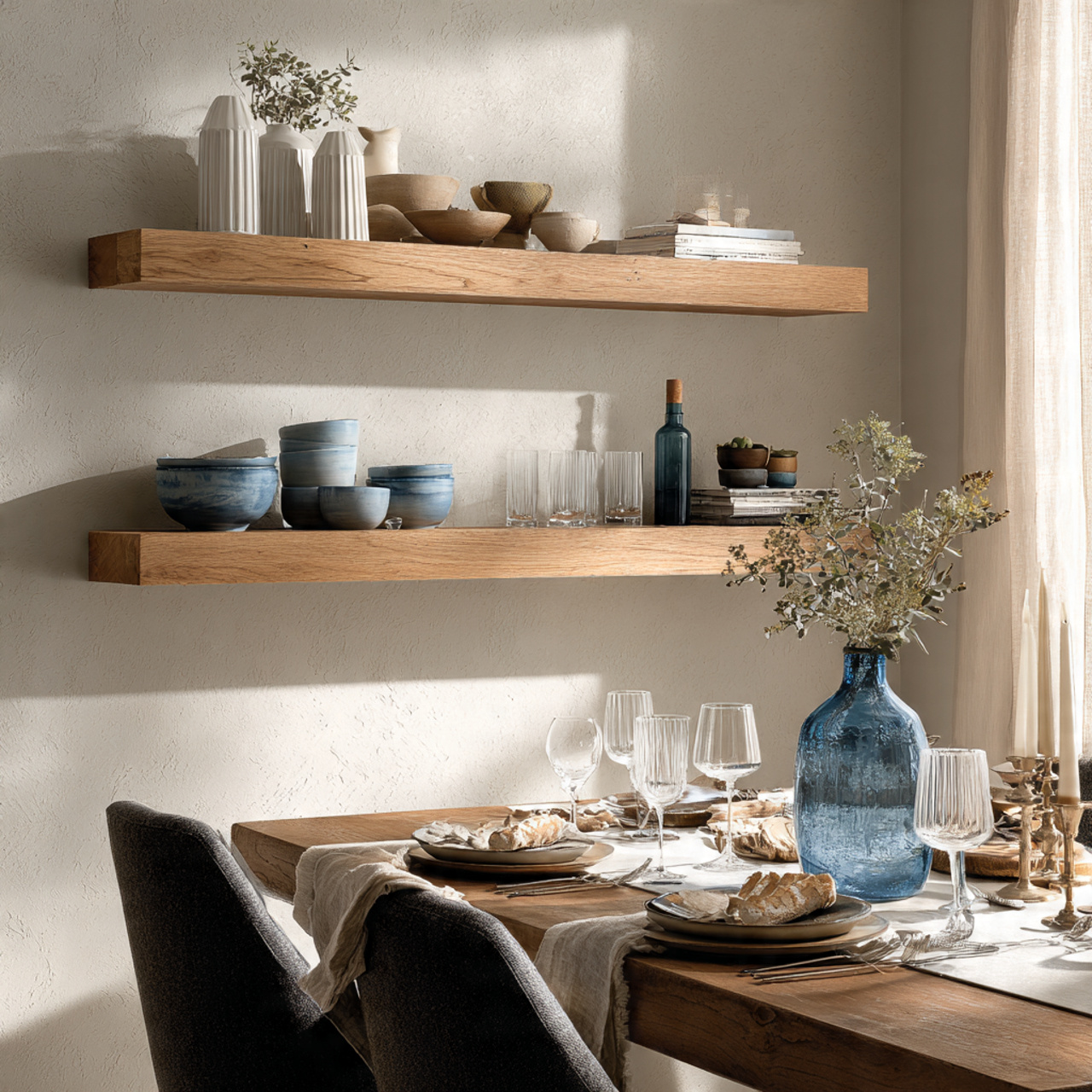
Floating shelves offer storage without taking up valuable floor space. They keep essentials within reach while maintaining an open look.
Use them sparingly to avoid clutter. A few well-styled shelves can hold dishes, glassware, or decor without overwhelming the room.
Floating shelves also draw the eye upward, which helps the space feel taller.
8. Mirrors Positioned to Expand the Visual Space
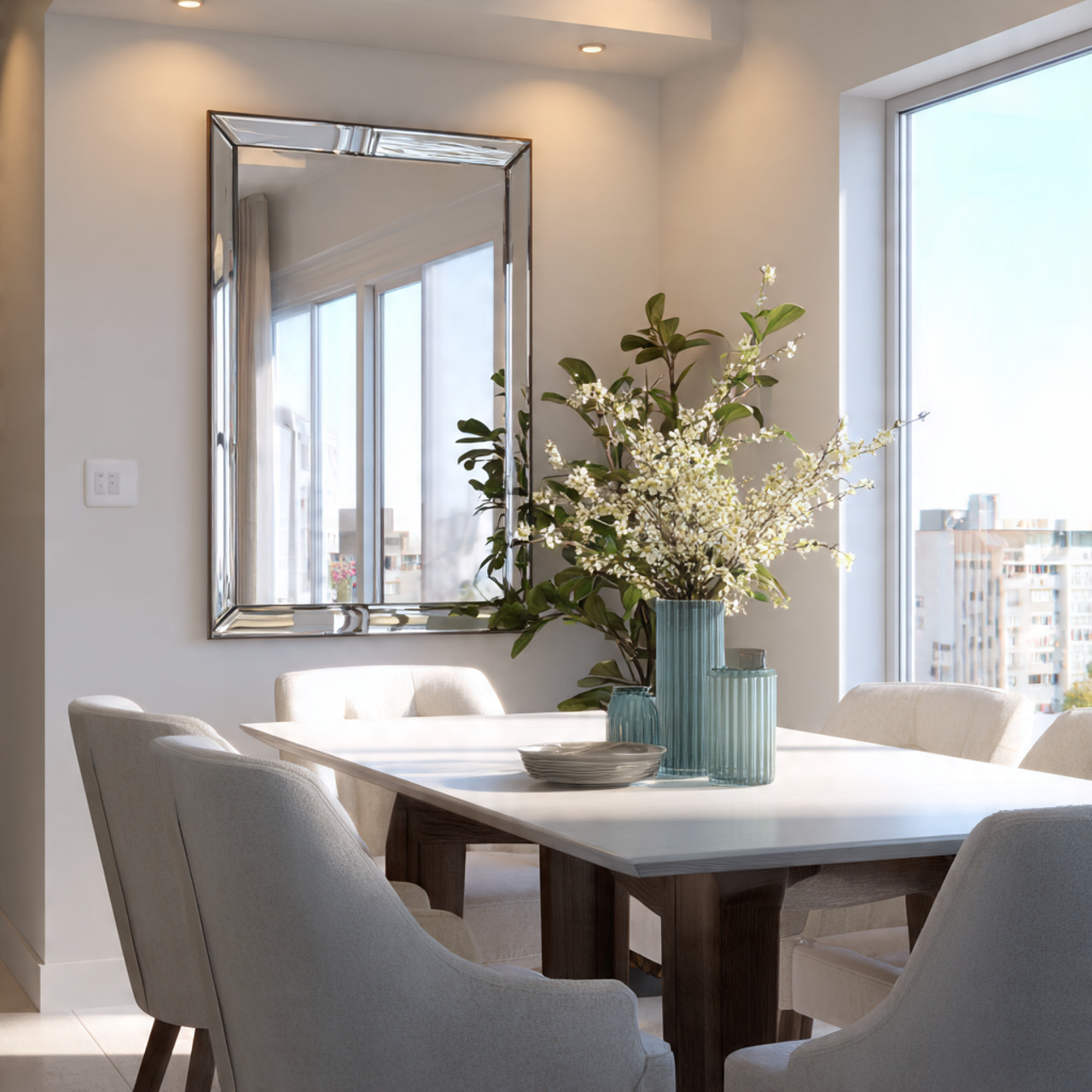
Mirrors are a simple but powerful tool in small dining rooms. They reflect light and create the illusion of depth.
Placing a mirror opposite a window works especially well. It brightens the room and makes it feel more expansive.
Even a small mirror can make a noticeable difference when placed thoughtfully.
9. Pendant Lighting That Draws the Eye Upward
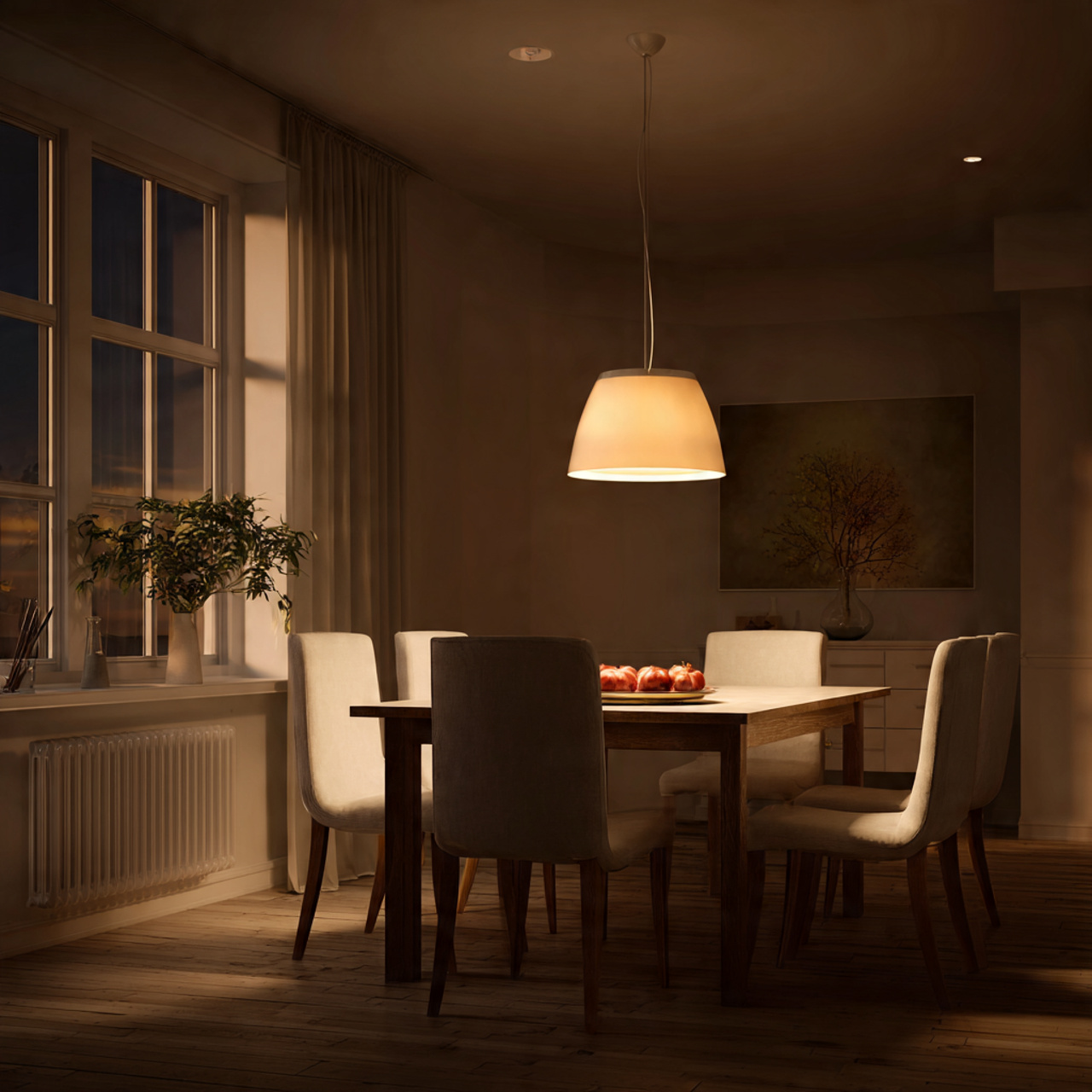
Lighting can change how spacious a dining room feels. Pendant lights help define the dining area without cluttering surfaces.
A single pendant or a slim linear light draws attention upward, making the room feel taller. I prefer warm light tones for a cozy atmosphere.
Avoid oversized fixtures that overpower the space. Proportion matters more than style here.
10. Neutral Rugs That Define the Dining Area Gently
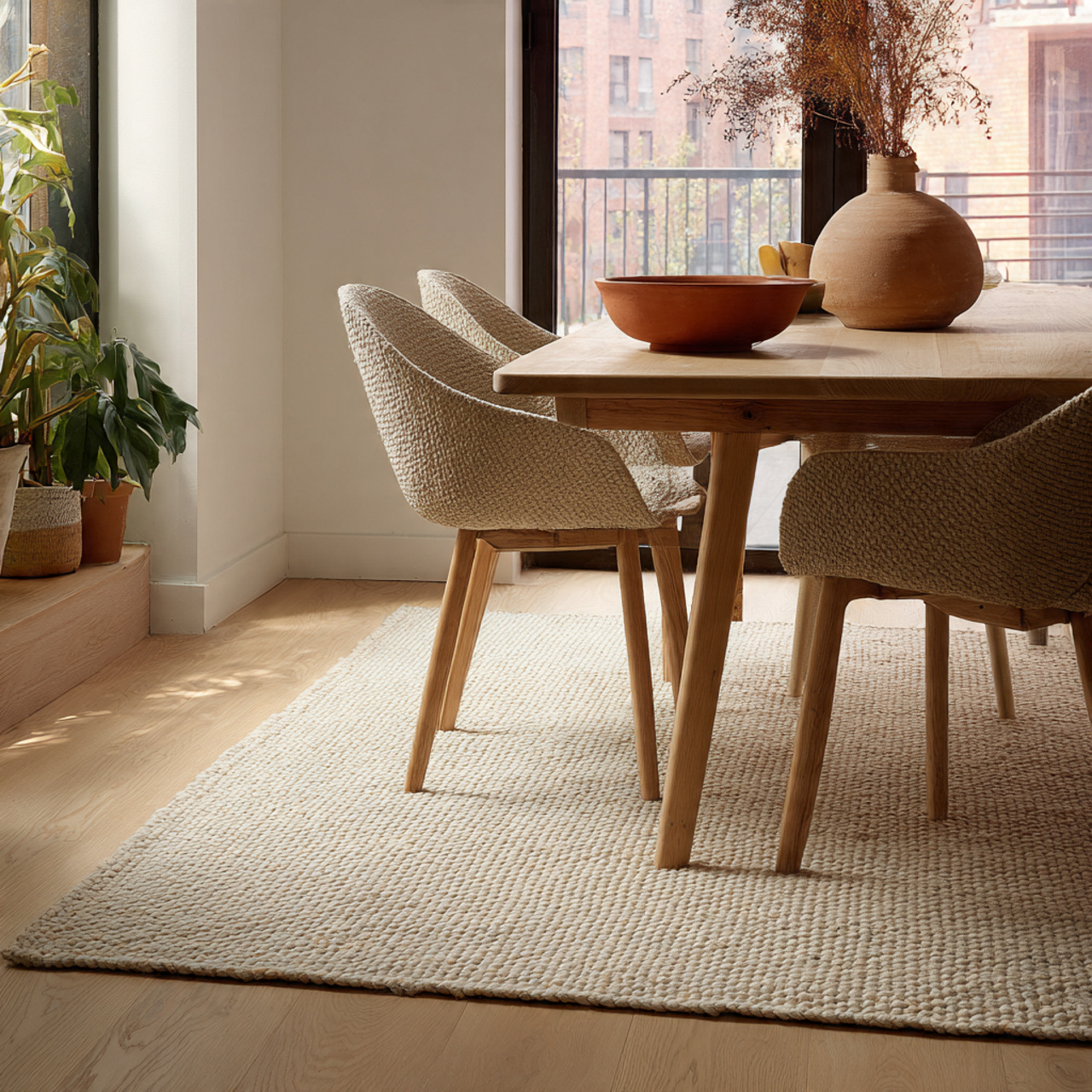
A rug can help define the dining space, especially in open-plan layouts. In small rooms, neutral rugs work best.
Choose flatweave or low-pile rugs that fit neatly under the table and chairs. This keeps the area functional and visually light.
Stick to subtle patterns or solid colors to avoid visual crowding.
11. Wall-Mounted Storage That Frees Floor Space
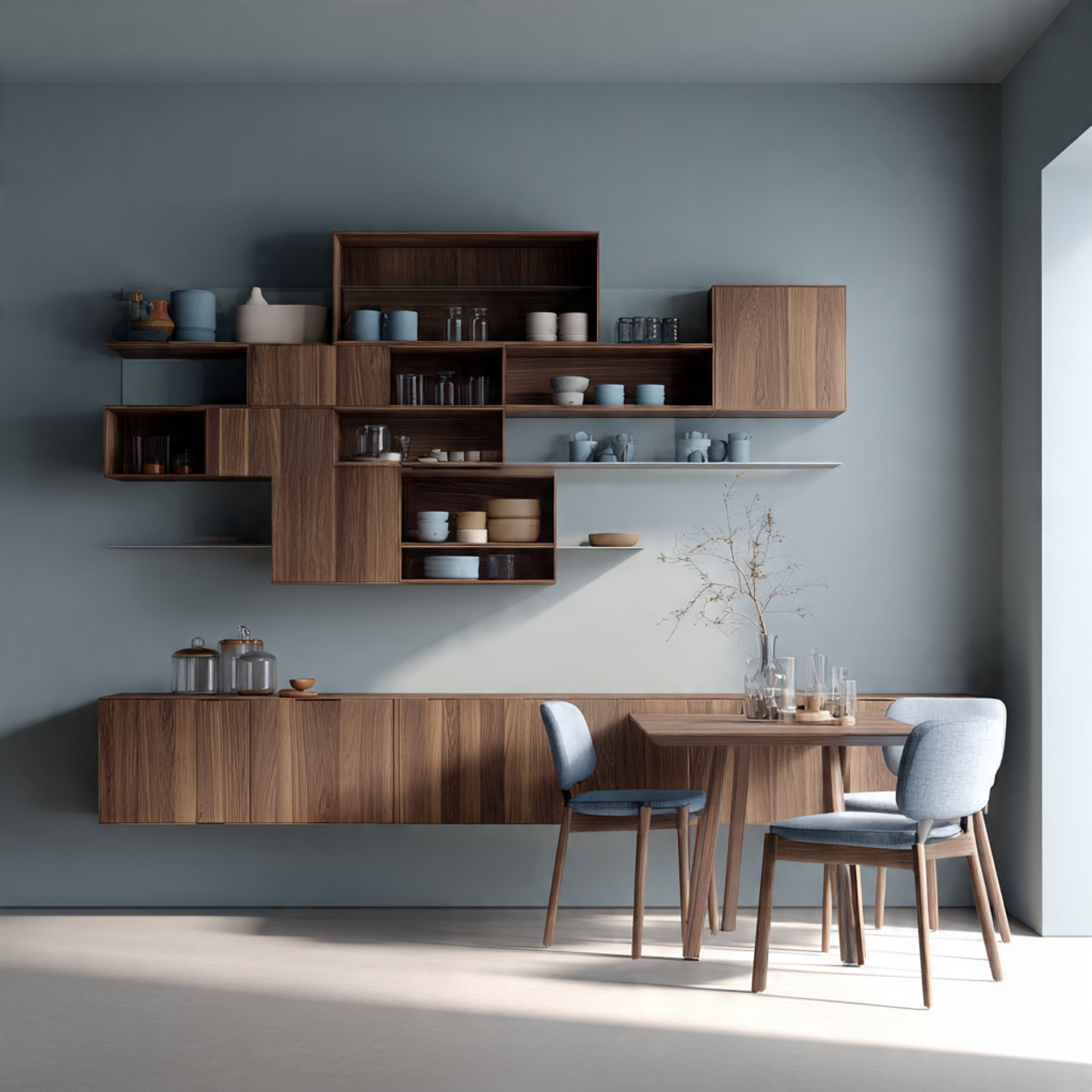
Wall-mounted storage helps keep floors clear, which is key in small dining rooms. Cabinets, shelves, or hooks can all be useful.
I have found that lifting storage off the floor makes the room feel instantly larger. The eye travels more freely across the space.
Focus on storage that blends with the wall color to keep things visually calm.
12. Glass or Light Wood Furniture That Feels Visually Light
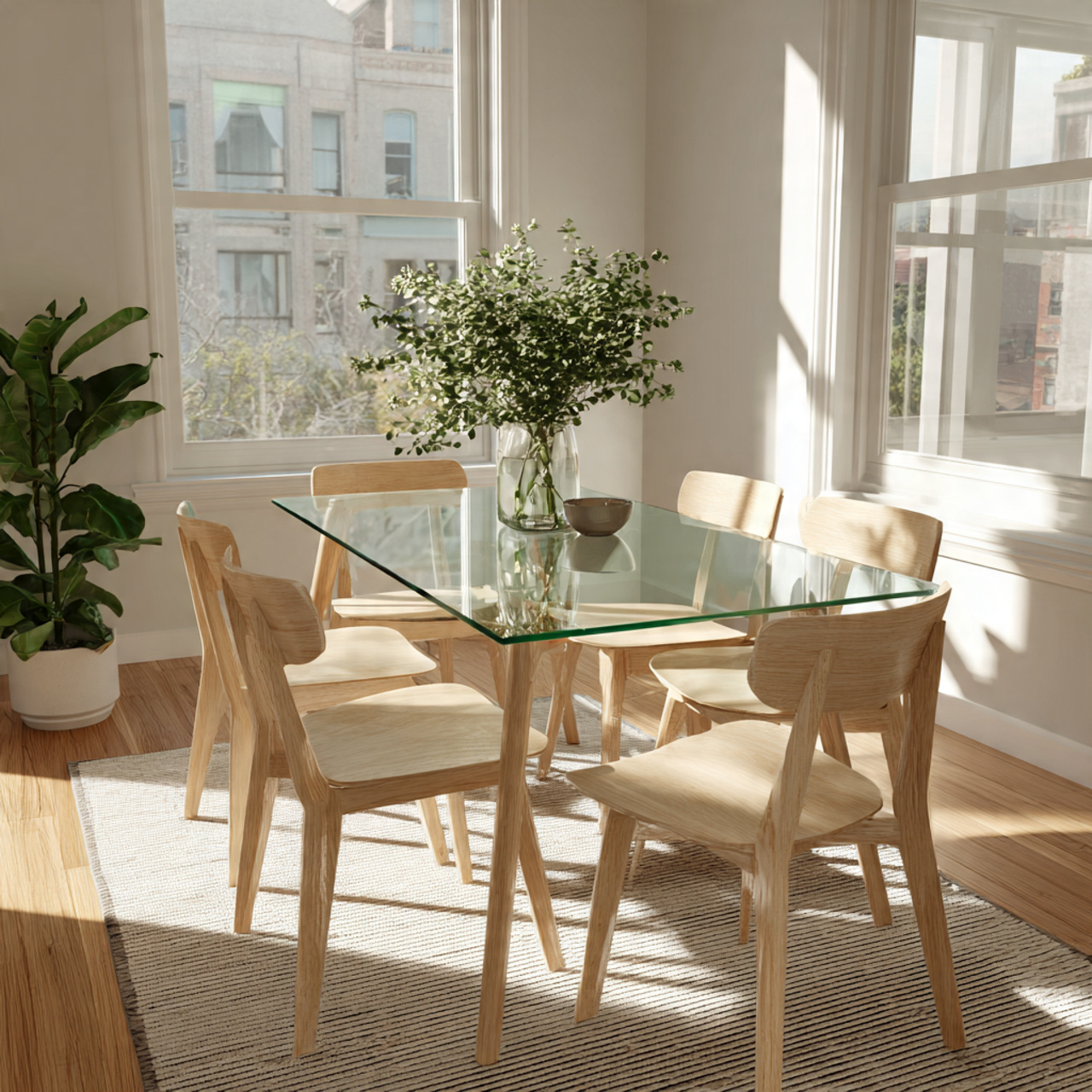
Furniture materials matter just as much as size. Glass and light wood pieces feel less heavy than dark or solid furniture.
Glass tabletops allow light to pass through, reducing visual weight. Light wood adds warmth without making the space feel crowded.
These materials work well in small dining rooms where every detail counts.
13. Multi-Functional Dining Furniture That Adapts Easily
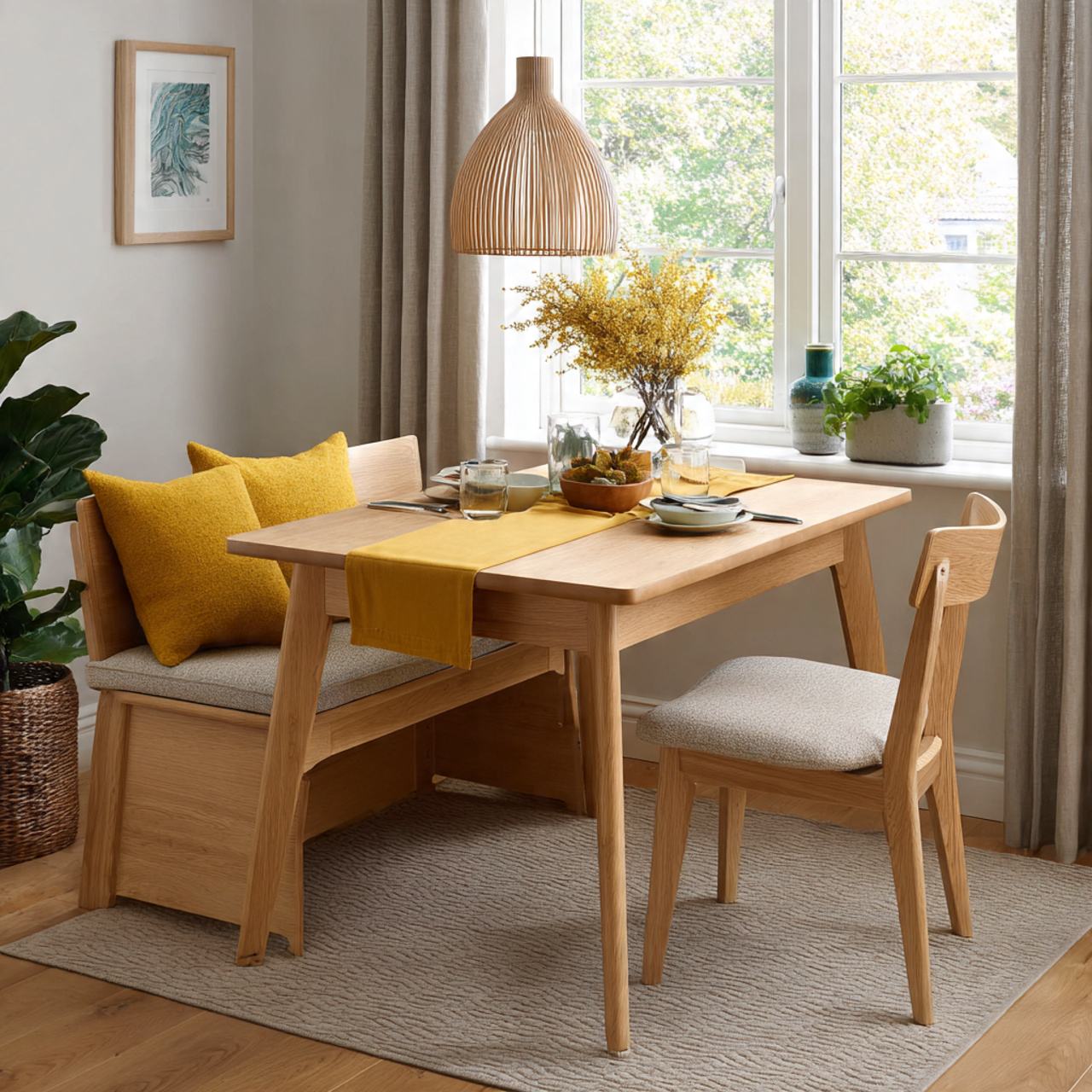
Multi-functional furniture is a lifesaver in small spaces. It allows the dining room to serve more than one purpose.
Look for tables with extension leaves, fold-down designs, or hidden storage. These features provide flexibility without permanent bulk.
Useful options include:
- Drop-leaf tables
- Extendable dining tables
- Benches with storage
- Stackable extra chairs
14. Corner Dining Nooks That Use Awkward Spaces Well
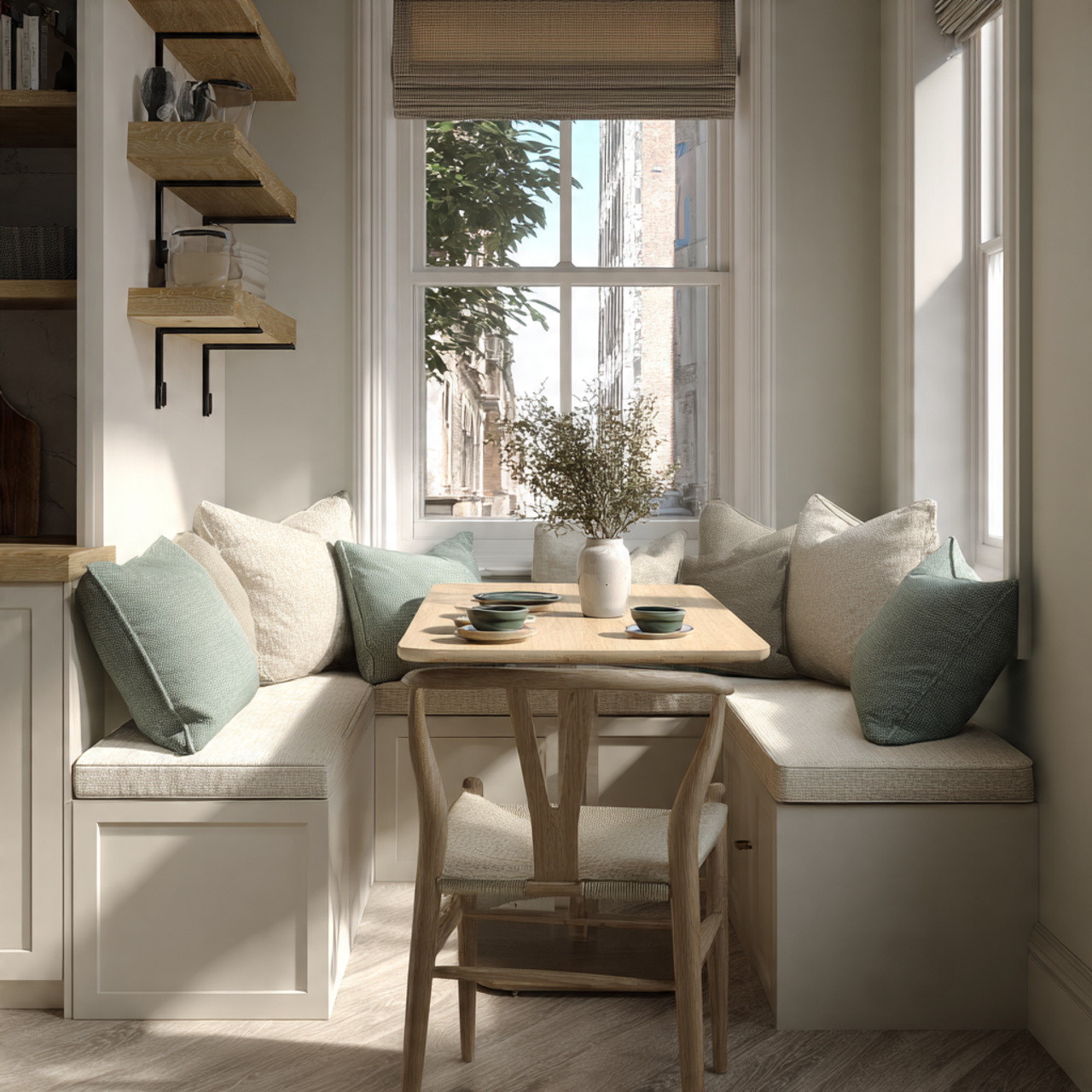
Corners are often underused in small dining rooms. Turning them into dining nooks can save space and add charm.
A corner bench paired with a small table creates a cozy spot that feels intentional. I have seen this transform unused areas into functional seating.
This approach works especially well in kitchens or combined living spaces.
15. Simple Table Styling That Avoids Visual Crowding
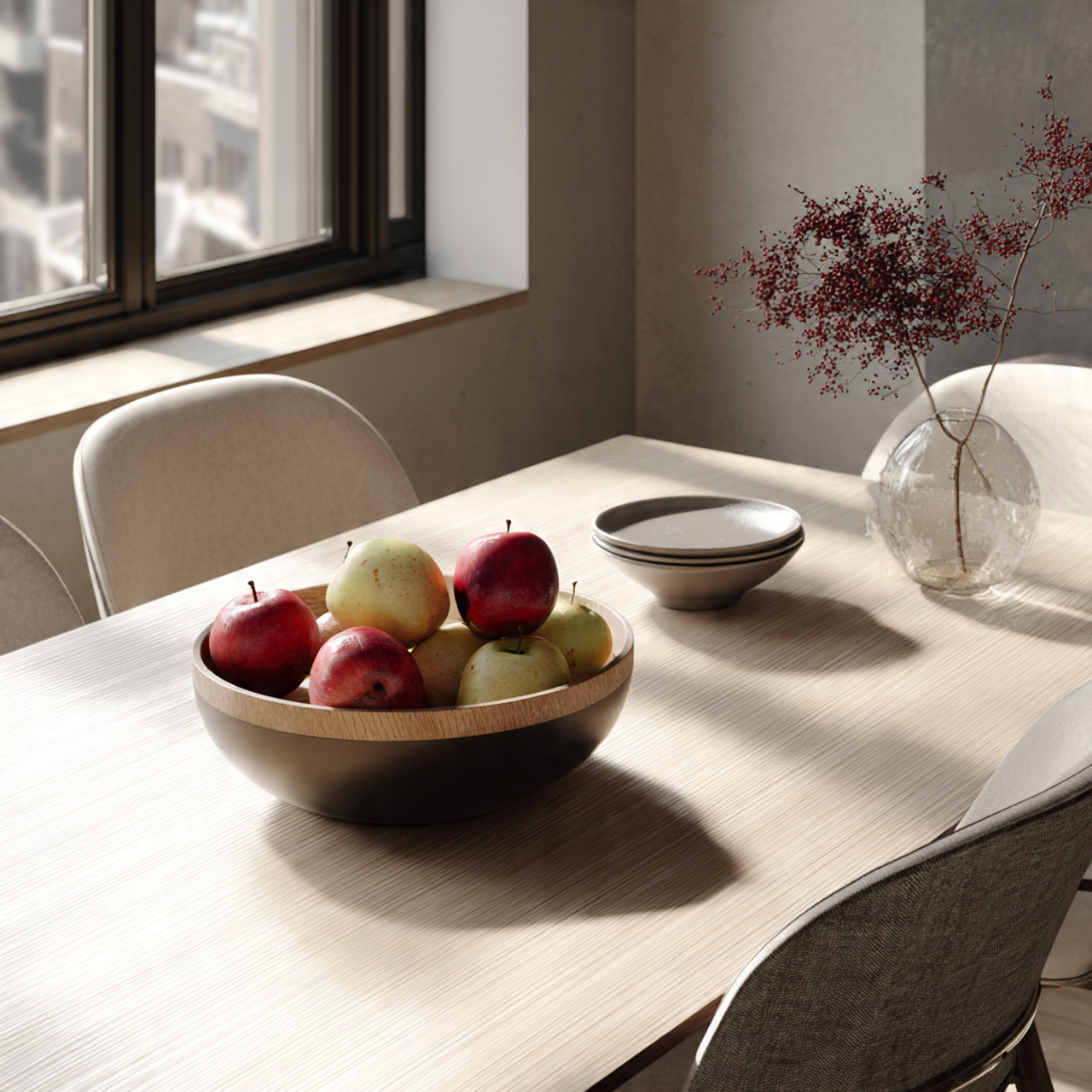
Table decor should stay minimal in small dining rooms. Overstyling can make the space feel cluttered quickly.
Stick to one simple centerpiece or a small arrangement. This keeps the table functional while still adding character.
I find that natural elements like wood bowls or small plants work best.
16. Vertical Decor That Adds Height Without Bulk
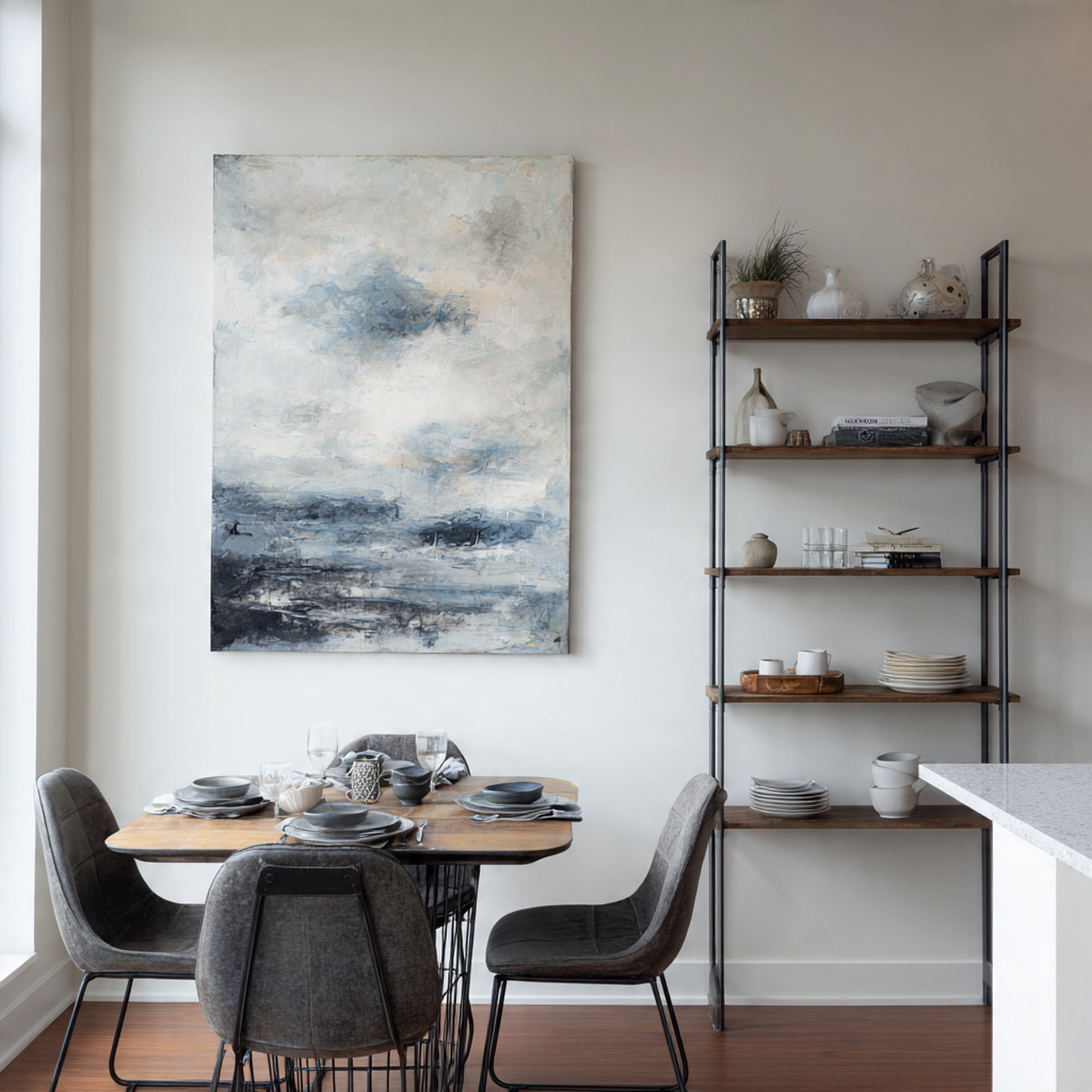
Vertical elements help draw the eye upward, making the room feel taller. This can be done subtly through decor.
Tall art pieces, narrow shelving, or vertical paneling can all create height without taking up space.
Keep the designs simple so they enhance the room rather than dominate it.
17. Clear Walkways That Improve Comfort and Movement
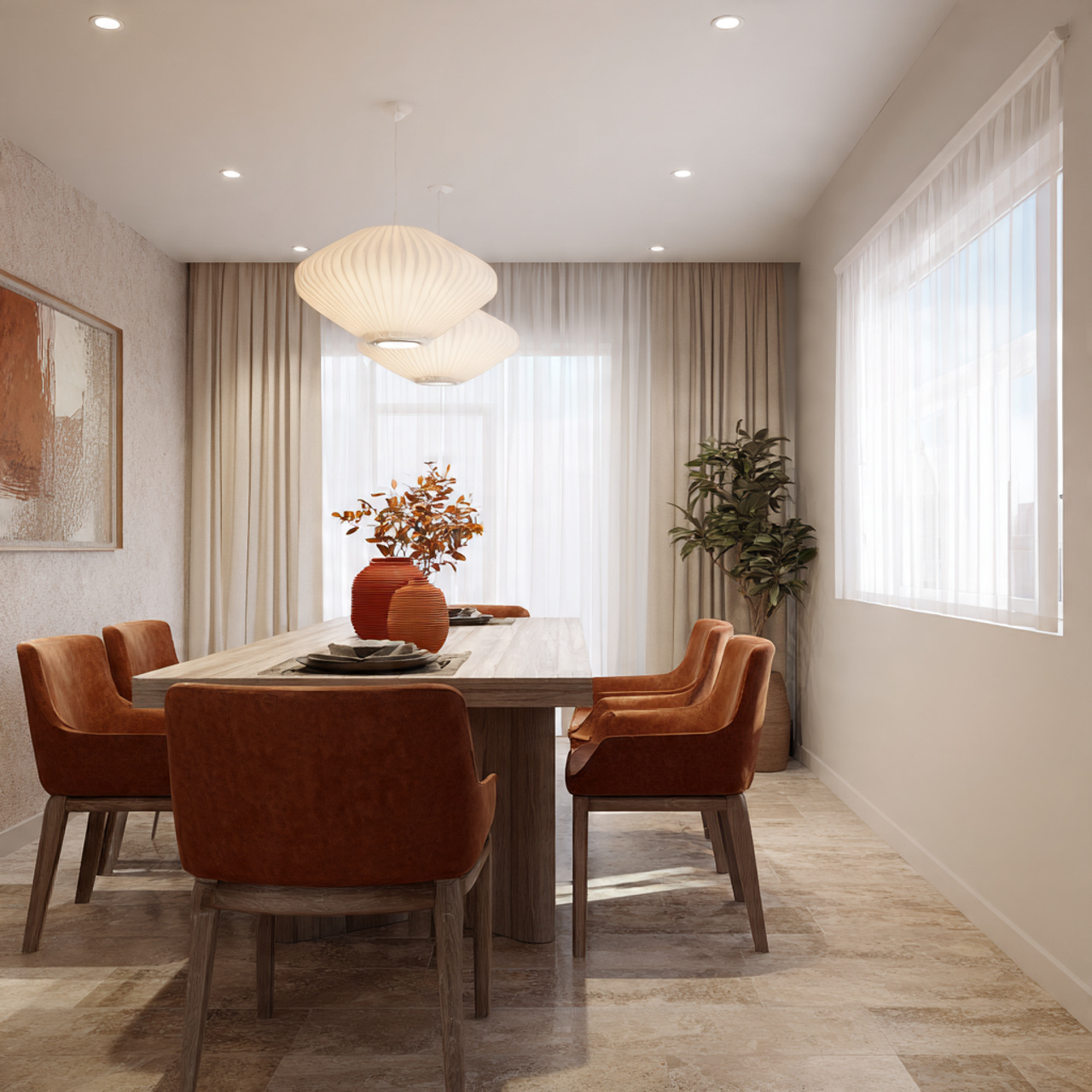
Clear walkways are essential in a small dining room. Furniture placement should allow easy movement around the table.
I always recommend leaving enough space to pull out chairs comfortably. This makes the room feel more usable and less cramped.
Even small adjustments can greatly improve flow and comfort.
18. Balanced Layout That Keeps the Dining Area Calm
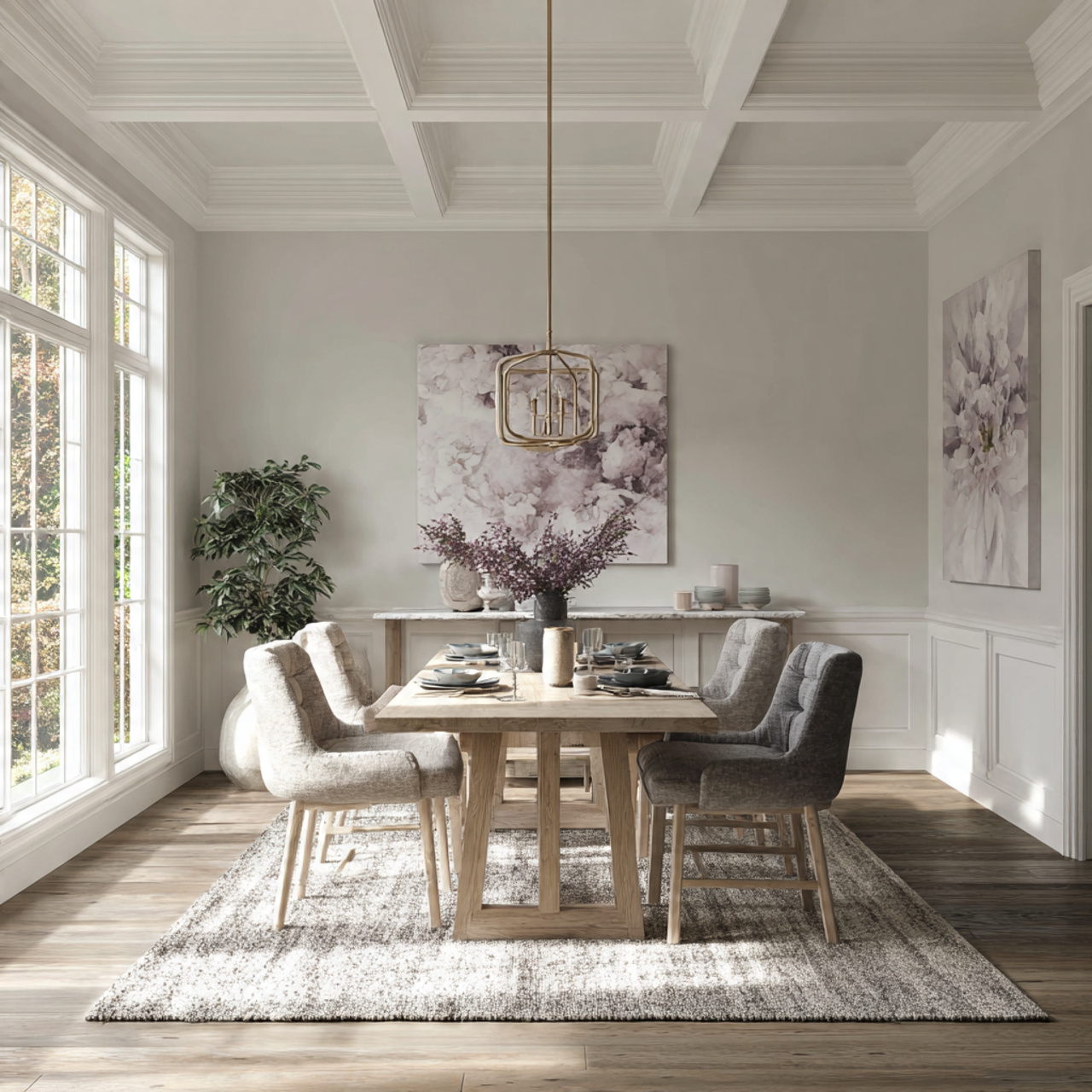
Balance is key in small spaces. A well-balanced layout feels calm and intentional, even when space is limited.
Distribute visual weight evenly by spacing furniture and decor thoughtfully. Avoid crowding one side of the room.
When everything feels balanced, the dining room becomes more inviting and easier to enjoy.
Conclusion
A small dining room does not have to feel cramped or uncomfortable. With smart furniture choices, light colors, and thoughtful layouts, you can create a dining space that feels open and functional.
When you focus on simplicity and flow, even the smallest dining area can become a place where meals feel relaxed, comfortable, and enjoyable every day.